
If you own a Cub Cadet 2182, you already know it is a strong garden tractor with real work power. But like any older machine, it can develop problems over time. Some issues are small and easy to fix. Others can point to worn parts, poor maintenance, or age-related damage.
This guide explains the most common cub cadet 2182 problems, why they happen, and how to fix them in a simple way. You will learn what to check first, which symptoms matter most, and when a repair is worth doing yourself. The goal is to help you save time, avoid guesswork, and keep the tractor running better for longer.
One thing many owners miss is that several “big” problems start with very small faults. A weak battery, dirty fuel, low hydraulic fluid, or a loose ground wire can look like a serious failure. Before replacing expensive parts, it helps to understand the normal weak spots of this model.
Is the Cub Cadet 2182 worth repairing?
| Problem area | Repair difficulty | What to check before buying parts |
|---|---|---|
| Hard start, click, or no crank | Usually easy to moderate | Test battery voltage, solenoid, grounds, key switch, and safety switches before replacing the starter. |
| Hydrostatic drive feels weak | Moderate | Check fluid condition, linkage travel, release valve position, belt tension, and whether the drive weakens after warm-up. |
| PTO or mower deck will not engage | Moderate | Inspect the PTO switch, clutch connector, belt routing, deck pulleys, and safety interlock circuit. |
| Steering or electrical parts are worn | Can be harder on older machines | Confirm parts availability and total repair cost before committing to a full rebuild. |
A Cub Cadet 2182 can still be a good machine if the engine is healthy, the hydrostatic drive pulls strongly, and the deck or PTO problems are limited to switches, wiring, belts, or linkage. If the hydro unit is weak, the wiring is hacked up, and the deck needs major parts at the same time, the repair can become expensive fast. For related checks, compare symptoms with Cub Cadet voltage regulator problems, Cub Cadet electric power steering problems, and Cub Cadet RZT 50 transmission problems.
What usually goes wrong on a Cub Cadet 2182
The Cub Cadet 2182 is a heavy-duty garden tractor, but age changes everything. Rubber hardens. Electrical connections corrode. Fuel turns stale. Belts stretch. Seals begin to seep. When these small changes build up, the tractor may start hard, lose power, or stop moving the way it should.
Most problems fall into a few groups:
- Starting and charging issues
- Engine running problems
- Transmission or hydrostatic drive problems
- Steering and handling wear
- Deck and blade performance issues
Knowing the category is useful because it narrows your search fast. For example, if the engine spins but will not fire, you should not waste time checking the steering. If the tractor moves weakly but the engine sounds fine, the issue is likely in the drive system, not the motor.
Why age matters more than mileage
With tractors like the 2182, age is often more important than hours. A machine that sat unused for years may have more problems than one with higher hours but regular service. Old fuel, dried seals, and hidden corrosion can cause trouble even when the tractor looks clean.
This is one of the non-obvious things beginners often miss: a tractor that “runs fine” today can still have weak parts ready to fail tomorrow. That is why it helps to inspect fuel lines, battery cables, belts, and hydraulic hoses before a busy season starts.
Starting problems and hard cranking
One of the most common cub cadet 2182 problems is slow cranking or a no-start condition. The engine may click, turn over slowly, or not turn at all. Sometimes the starter works only after several tries.
Typical causes include:
- Weak or old battery
- Dirty battery terminals
- Bad ground connection
- Faulty starter solenoid
- Worn starter motor
- Safety switch not closing properly
Start with the battery. A battery can show voltage and still fail under load. Clean both terminals, then check the ground cable where it connects to the frame or engine block. A loose or rusty ground can create a weak start that looks like a bad starter.
If the battery is good but the starter only clicks, test the solenoid. If the engine turns slowly even with a fully charged battery, the starter may be worn or the engine may be hard to turn because of old oil or internal drag.
Fixes that usually work
- Charge the battery fully and test it under load.
- Clean both terminals and tighten the cable ends.
- Inspect the ground wire for corrosion or damage.
- Check the seat switch, brake switch, and PTO safety switch.
- Test the solenoid and starter if the wiring looks good.
Another useful clue: if the lights dim very hard when you turn the key, the battery or starter is likely pulling too much current. That often points to a weak battery, a failing starter, or a partly seized engine.
Engine runs rough, stalls, or lacks power
If the tractor starts but runs poorly, the cause is often fuel or ignition related. The engine may surge, hesitate, stall at idle, or bog down under load. These symptoms can feel serious, but many are caused by basic maintenance issues.
Common causes include:
- Old or dirty fuel
- Clogged fuel filter
- Blocked carburetor jets
- Dirty air filter
- Bad spark plug
- Weak ignition coil or loose wiring
Old fuel is a major cause of trouble in stored tractors. Gasoline breaks down and can leave sticky residue in the carburetor. That residue blocks small openings and creates poor fuel flow. If the tractor sat for months or years, the carburetor may need cleaning before the engine will run correctly.
Air intake matters too. A dirty air filter can make the engine run rich, waste fuel, and lose power. A worn spark plug can cause misfires and rough idle. These are small parts, but they often solve big symptoms.
Easy engine checks before deeper repair
Before removing the carburetor, do these simple checks:
- Drain old fuel and refill with fresh gasoline.
- Replace the fuel filter if it is clogged or old.
- Inspect the air filter and clean or replace it.
- Check the spark plug for carbon, wear, or fuel fouling.
- Look for cracked fuel lines or leaks.
Here is a common mistake beginners make: they clean the carburetor but ignore the fuel tank. If the tank has rust, dirt, or old fuel residue, the carburetor may clog again quickly. Clean fuel supply matters as much as clean carburetor parts.
Electrical problems and charging issues
The Cub Cadet 2182 uses a charging system that must keep the battery healthy while the engine runs. If the battery keeps going dead, the tractor may start once and then fail again later. That often points to a charging or wiring problem rather than a battery problem alone.
Signs of electrical trouble include:
- Battery loses charge quickly
- Headlights are weak or flicker
- Starter works only sometimes
- Fuses blow repeatedly
- Intermittent loss of power
Check the battery first, but do not stop there. A new battery will not fix a bad charging circuit. Inspect the voltage regulator, alternator output, wiring plugs, and ground points. Corrosion on a connector can interrupt charging even if the parts themselves are still good.
If you want a reliable reference for battery care and charging basics, the Battery Council International has useful general information on battery maintenance and safety.
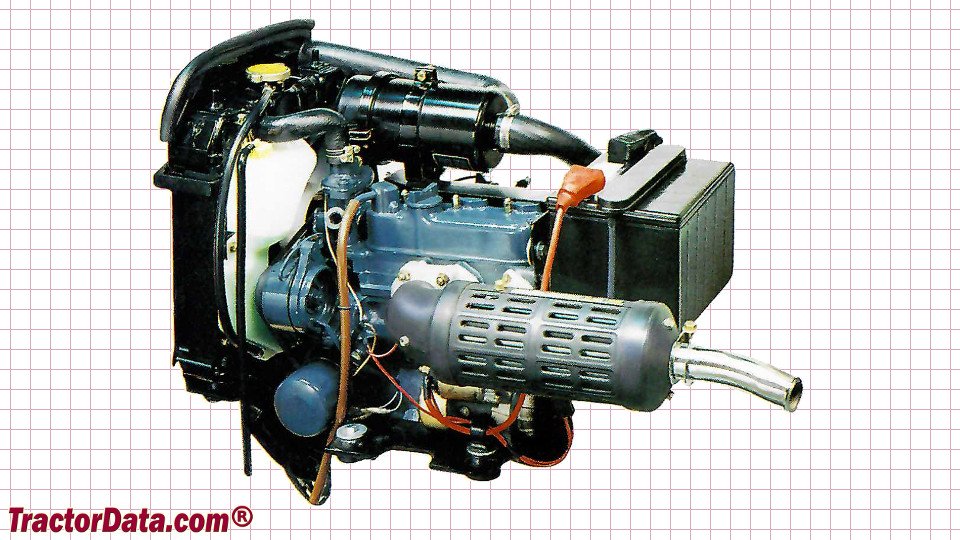
Credit: tractordata.com
Common electrical weak points
Older machines often have brittle wiring insulation and corroded terminals. Vibration can loosen connectors over time. A wire may look fine on the outside but fail inside the insulation.
Watch for these hidden issues:
- Frayed wire near moving parts
- Oxidized terminals under the hood
- Loose fuse holders
- Bad key switch contacts
- Ground straps with paint or rust under them
If the tractor cuts out after hitting bumps, suspect a loose connector or broken wire. That kind of intermittent fault is often harder to find than a dead part, but a careful wiggle test can reveal it.
Hydrostatic drive problems and weak motion
Another major group of cub cadet 2182 problems involves movement. The tractor may move slowly, lose pulling power, fail to reverse, or stop after warming up. Because the 2182 is a hydrostatic tractor, these symptoms usually point to fluid, belt, linkage, or internal wear issues.
Possible causes include:
- Low hydraulic fluid
- Old or contaminated fluid
- Drive belt wear or slippage
- Air in the hydraulic system
- Worn linkage or control adjustment
- Internal hydro pump wear
Start with fluid level and condition. If the fluid is low, the transmission may lose strength or get noisy. If the fluid is dirty or old, performance can drop as the system heats up. Weak movement after the tractor warms up is a classic sign that fluid or internal wear may be involved.
What to check first
- Check hydro fluid level according to the manual.
- Inspect for leaks around hoses, seals, and fittings.
- Look at the drive belt for glazing, cracks, or slack.
- Check the linkage for proper movement and adjustment.
- Test the tractor on level ground before judging performance.
A small but important point: a slipping drive belt can feel like a bad transmission. Many owners blame the hydro unit too soon. If the belt is worn or contaminated with oil, it can reduce drive power a lot. Replace the belt if it is glazed, stretched, or damaged.
Steering problems and uneven handling
Steering wear is common on older garden tractors. The front end may feel loose, the tractor may wander, or it may not steer smoothly. On the Cub Cadet 2182, this can happen from wear in the steering parts, front axle components, or tire setup.
Symptoms often include:
- Excessive steering play
- Uneven turning left and right
- Front end wandering on straight ground
- Clunking from the front axle
- Hard steering at low speed
Begin with tire pressure. Low or uneven tire pressure can make steering feel poor even when the mechanical parts are fine. Then inspect the steering gear, tie rods, spindles, and front axle pivot points. Grease points matter here too. If the tractor has not been lubricated regularly, parts may bind or wear faster.
One thing people often overlook is wheel alignment caused by worn parts, not just bad adjustment. If the tie rod ends are loose, no amount of simple adjustment will fully solve the issue. Worn joints must be replaced.
Deck, blade, and cutting problems
Cut quality is another area where age shows up quickly. The mower deck may leave uncut strips, cut unevenly, or vibrate heavily. Sometimes the engine seems fine, but the grass result is poor.
Typical causes include:
- Dull blades
- Bent blades
- Unlevel deck
- Worn spindle bearings
- Loose deck belt
- Grass buildup under the deck
Blades should be sharp, balanced, and installed correctly. A bent blade can create vibration that damages spindle bearings over time. Grass buildup under the deck reduces airflow, which hurts cut quality and makes the mower work harder.
Also check deck height side to side and front to back. Many cutting problems come from a deck that is simply out of level. If the tractor cuts better on one side than the other, leveling and spindle inspection should be high on your list.
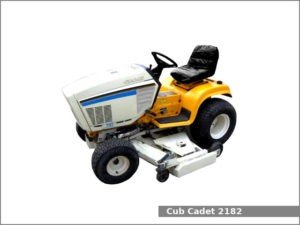
Credit: tractor-specs.net
How to improve cut quality fast
- Clean the deck thoroughly.
- Sharpen or replace both blades.
- Check spindle bearings for noise or play.
- Inspect the deck belt tension.
- Level the deck on a flat surface.
Do not ignore vibration. It is not just annoying. It often means a blade, spindle, or pulley issue that can turn into a bigger repair if left alone.
Leaks, smoke, and fluid loss
Older tractors often develop leaks. You may see oil on the floor, hydro fluid near the transmission, or fuel odor around the machine. Smoke can also appear if oil drips onto hot engine parts.
Common leak points include:
- Engine oil seals and gaskets
- Hydraulic hoses and fittings
- Fuel lines and clamps
- Valve cover or drain plug areas
- Front crankshaft seal
Small leaks should not be ignored. They lower fluid levels and can lead to bigger failures. For example, a minor hydro leak can become a drive problem later. A fuel leak is even more urgent because it is a fire risk.
Smoke from the engine area is often caused by oil dripping onto the muffler or exhaust. If you smell burning oil, shut the tractor down and find the source before using it again.
When the problem is maintenance, not failure
Not every symptom means a major part is broken. On the Cub Cadet 2182, many complaints come from skipped service. Fresh oil, clean filters, proper grease, and correct fluid levels can solve more issues than many people expect.
Here are maintenance tasks that prevent a lot of trouble:
- Change engine oil on schedule
- Replace air and fuel filters regularly
- Keep the battery clean and charged
- Grease fittings as needed
- Check belts and pulleys before each season
- Use fresh fuel and stabilize stored fuel
Another useful insight: many hydrostatic and starting problems look worse when the tractor is cold or after long storage. If a tractor improves after running for a while, the cause may be thick oil, weak battery output, stale fuel, or sticky components rather than a dead transmission or engine.
How to diagnose problems without wasting money
Good diagnosis saves money. The wrong part is often replaced first because the symptom is more obvious than the cause. A simple order of checks can prevent that.
- Check battery health and cable condition.
- Inspect fuel quality, filters, and spark plug.
- Verify fluid levels and look for leaks.
- Watch for belt wear or slipping.
- Test safety switches and wiring connections.
- Only then move to more expensive parts.
This approach works because many failures overlap. For example, a weak battery can make the starter seem bad. A bad belt can make the hydro drive seem weak. A dirty carburetor can feel like low engine compression. Always confirm the basic systems first.
When a repair is worth it
Some repairs are easy and cheap. Others may not be worth the time if the tractor has severe wear in several systems. The decision depends on the condition of the frame, engine, hydro unit, and deck.
Usually worth fixing:
- Battery, cables, and starter issues
- Fuel system cleaning
- Belt replacement
- Blade and spindle service
- Minor leaks and maintenance items
Harder to justify if multiple major systems are failing:
- Severely worn hydro unit
- Major engine wear
- Heavy frame rust
- Repeated electrical failure in many circuits
If the tractor is otherwise solid, it is often a good candidate for repair. These machines can last a long time when the basics are kept in good shape.

Credit: ihcubcadet.com
Preventing future problems
Prevention is much easier than repeated repair. A few habits can keep the Cub Cadet 2182 running well through the season.
- Store the tractor with stabilized fuel.
- Disconnect or maintain the battery during long storage.
- Replace worn belts before they fail.
- Clean the deck after mowing.
- Check fluid levels every few uses.
- Inspect wires, hoses, and fasteners before spring startup.
It also helps to start the tractor at least once in storage season if possible. Letting it sit untouched for long periods often creates more issues than regular use does.
Final thoughts
Most cub cadet 2182 problems are not random. They usually come from age, storage, wear, or skipped maintenance. That is the good news. If you know where to look, you can solve many issues without expensive trial and error.
Start with the simple things: battery, fuel, belts, filters, fluid levels, and clean connections. Then move to the deeper systems if the problem stays. With a steady diagnosis process, the Cub Cadet 2182 can still be a very useful tractor for mowing and hauling work.
FAQs
1. Why does my Cub Cadet 2182 click but not start?
A clicking sound usually means the battery is weak, the terminals are dirty, the ground cable is poor, or the starter solenoid is failing. Start with the battery and cable connections before replacing parts.
2. Why does the tractor start and then die after a few minutes?
This often happens because of bad fuel flow, a clogged fuel filter, a dirty carburetor, or a failing ignition part. A loose safety switch or bad wiring can also cause sudden shutdowns.
3. What causes weak drive or slow movement on the Cub Cadet 2182?
The Cub Cadet 2182 uses a hydrostatic transmission. Weak or no movement usually comes from low transmission fluid, a worn or slipping ground drive belt, air trapped in the hydrostatic unit, or a worn pump. Check the fluid level first with the dipstick near the rear transaxle. If fluid is correct, inspect the drive belt for wear or cracking. Purging air from the system using the bypass valve can also restore normal drive feel. If none of these fix it, the pump may need professional inspection.
4. Why won’t the mower deck or PTO engage?
A faulty PTO switch, a worn electric clutch, a broken or loose drive belt, or a blown fuse are the most common causes. Start by checking the fuse panel and testing the PTO switch for continuity. If those are fine, inspect the blade drive belt for cracks, wear, or misalignment. The electric clutch coil fails on older machines and is a frequent cause of complete non-engagement on the 2182.
5. Why does the Cub Cadet 2182 run rough or lose power under load?
A dirty air filter, a partially clogged carburetor, old or stale gasoline, or low engine oil are the typical causes. Replace the air filter if it appears dirty or has not been changed recently. Drain old fuel and refill with fresh gasoline. If the engine surges or stumbles under load, the carburetor jets may be partially blocked and need cleaning. Low oil pressure can also cause rough running and should be checked immediately to avoid engine damage.