
If you want to know how to remove grass in garden beds, the best method depends on how fast you need the space cleared and how much effort you want to spend. Some jobs are simple and clean. Others need more patience but give better long-term results.
Grass that spreads into flower beds is stubborn for a reason. It grows from roots, runners, and seeds, so cutting the top layer is not always enough. The good news is that you can remove it without tearing up your whole garden, and you can prepare the bed so it stays cleaner for months.
The methods below cover fast removal, low-effort options, and longer-lasting solutions. You will also see which method works best for small beds, large areas, and spots with tough turf like Bermuda or crabgrass.
Start with the right removal method for your bed
The first step is not digging. It is choosing the right approach for the amount of grass, the size of the bed, and your planting timeline. A tiny patch near shrubs needs a different method than a full border full of invading lawn grass.
Most homeowners get better results when they match the method to the problem. If the grass is thin and only creeping in at the edges, hand removal may be enough. If the bed is full of thick sod, a smothering method or sod cutter will save time. If you plan to plant soon, you need a method that leaves the soil workable and not overly disturbed.
Here is a simple way to think about it:
| Situation | Best method | Why it works |
|---|---|---|
| Small patches between plants | Hand pulling or digging | Precise and low damage to nearby roots |
| Whole bed covered in grass | Sheet mulching or solarizing | Stops light and kills grass below ground |
| Thick lawn edge creeping in | Edging and trenching | Creates a barrier and slows regrowth |
| Large area that must be planted soon | Sod cutter or digging | Removes grass quickly and opens the soil |
One thing many beginners miss is that some grasses regrow from tiny root pieces. A shallow cut may look finished for 2 or 3 weeks, then the grass comes back stronger. That is why the best method is usually the one that removes both the top growth and the growing points below the soil.
Remove grass by hand when the infestation is small
Hand removal is the most direct way to clear grass from a garden bed. It works best when the grass is still limited to a few clumps or narrow strips. It also gives you the most control around flowers, shrubs, and vegetables.
Use the right tools
You do not need much equipment. A hand trowel, a sharp spade, a garden knife, and a hoe are usually enough. A fork can help loosen compact soil, especially if the grass is rooted deeply.
Moist soil makes this job easier. Water the area the day before, then work when the soil is damp but not muddy. Roots slide out more cleanly, and you are less likely to snap them in half.
Pull from the base, not the top
Grabbing grass blades and yanking upward usually breaks the plant and leaves roots behind. Instead, dig a few inches into the soil beside the clump, lift the root mass, and pull gently from the base. If the grass has runners, trace them until you find the connected section and remove as much as possible.
For best results, remove at least 2 to 4 inches of root zone around each clump. That small extra margin helps stop hidden runners from surviving at the edge.
Check the soil after removal
After pulling the grass, inspect the soil for thin white runners or small regrowing pieces. This step matters because even a 1-inch root fragment can restart growth in some lawns. Rake the area lightly and remove loose pieces before you mulch or replant.
If your bed is full of grass but you still want to avoid herbicides, hand removal can work in stages. Clear one section at a time. That keeps the job manageable and reduces the chance of damaging nearby plants.
Use digging or sod cutting for thick turf
If the bed is overrun with dense lawn grass, digging is faster than pulling individual clumps. This method works especially well when you plan to rebuild the bed from scratch. It is more labor, but it gives a clean start.

Credit: reddit.com
Cut below the roots
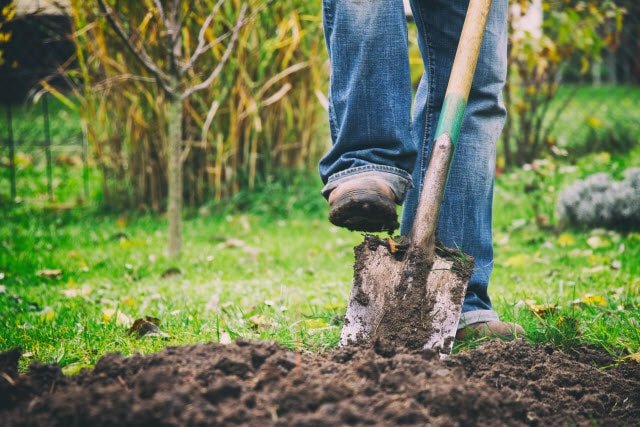
For established turf, the goal is to slice under the root layer and lift it out in sections. A sharp spade can do this on small beds. For larger spaces, a sod cutter saves a lot of time because it removes strips of turf at a consistent depth.
Most sod roots stay in the top 1 to 3 inches of soil, so cutting a little deeper helps remove the growing points. Avoid going too deep if you want to preserve your existing soil structure.
Break the work into strips
Divide the bed into narrow sections about 12 to 18 inches wide. Cut around each section first, then slide the tool under the turf and lift. Roll up the removed grass if possible. That makes disposal easier and keeps loose soil from scattering back into the bed.
This method is useful when you need to replant soon, because the soil is exposed right away. The downside is that bare soil dries fast. If you cannot plant within a few days, cover the area with mulch or a tarp until you are ready.
Do not skip the cleanup
After the turf is gone, remove leftover roots, stones, and small runners. Then rake the bed level. If the soil looks packed down from heavy foot traffic, loosen it with a fork before adding compost.
Another overlooked detail is drainage. Removing sod sometimes reveals low spots. Fill those before planting so water does not pool around new roots.
Smother the grass when you do not need the bed right away
Smothering is one of the easiest ways to clear grass without constant digging. It blocks light, traps moisture, and slowly kills the grass underneath. This works well when you are preparing a bed for later use rather than immediate planting.
There are two common ways to do it: sheet mulching and tarp smothering. Both are simple, low-stress options for large areas. They also reduce soil disturbance, which is helpful if your soil is already healthy.
Sheet mulch with cardboard and organic matter
Lay overlapping layers of plain cardboard over the grass. Wet it well so it stays in place. Then add 3 to 6 inches of mulch, compost, leaves, or wood chips on top. The grass underneath loses light and weakens over time.
This method is especially useful for perennial beds, paths, and new garden areas. It takes patience, but it also improves the soil as the cardboard breaks down. Avoid glossy cardboard or anything with heavy tape.
Use a tarp for faster smothering
A dark tarp can work faster than cardboard in warm weather. Anchor it tightly so sunlight cannot slip under the edges. Leave it in place for several weeks or longer, depending on how aggressive the grass is.
Heat helps this method. On hot summer days, soil under a tarp can get much warmer than open soil, which speeds grass decline. That said, cool-season grass may take longer to die than warm-season grass, especially if the roots are deep.
If you want a reliable, non-chemical reference on solar heat methods and site prep, a university extension guide like University of Minnesota Extension is a solid place to check for local bed-preparation advice.
Know the limits of smothering
Smothering is not instant. It works best when you can wait at least 4 to 8 weeks, and longer for dense grass. Also, some rhizomatous grasses send runners sideways before they die, so edge control still matters.
One non-obvious advantage: smothering often leaves the soil easier to work later because it avoids heavy digging. That can help if you want to protect earthworms and soil layers.
Prevent grass from returning after you clear the bed
Removing grass once is only half the job. The real goal is keeping it out. Many garden beds look clean at first, then grass returns from the edge, from buried roots, or from windblown seed.
The most effective prevention starts at the border. Grass usually creeps in from the lawn side, so a clean edge helps a lot. A trench, metal edging, or a deep mulch border can slow the spread. Even a simple 2 to 4 inch trench around the bed makes it harder for runners to cross.
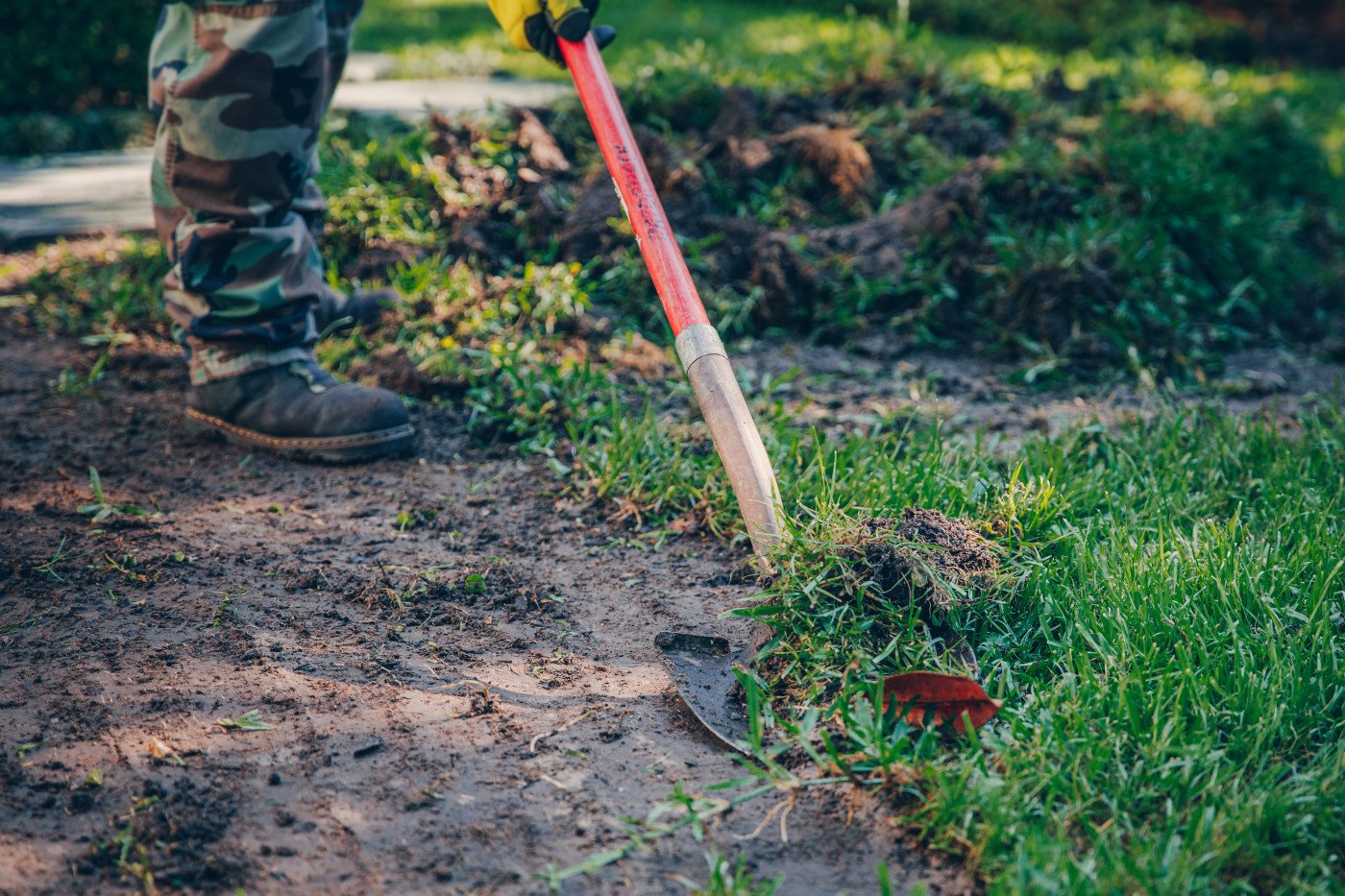
Credit: gardenary.com
Mulch the right way
Once the grass is removed, cover bare soil with mulch. A layer of 2 to 4 inches is usually enough for most beds. Keep mulch a few inches away from stems and trunks so you do not trap excess moisture against the plant.
Mulch does more than hide bare soil. It blocks light, reduces weed seed germination, and makes it harder for grass runners to root. Use coarse mulch for ornamental beds and finer organic mulch where you plan to plant shallow-rooted crops later.
Spot-check the bed every week
Grass regrowth is easier to stop when it is tiny. Spend a few minutes each week looking for thin blades, pale runners, or small clumps at the edges. Remove them while the roots are still weak.
This habit saves time later. Waiting even 10 to 14 days can turn one small patch into a larger mat. In warm weather, regrowth can happen surprisingly fast.
Do not bring grass back with compost or soil
Another mistake is adding contaminated soil, weedy compost, or grass-filled topsoil back into a clean bed. If you are buying fill or compost, make sure it is mature and free of active grass pieces. Unfinished organic material can carry seeds and runners.
Also, clean your tools after working in a grassy area. A spade with sticky soil or a mower with grass clumps can spread pieces into a new bed.
Prepare the soil so new plants can grow well
Once the grass is gone, the soil needs a little attention before planting. Clearing the bed is not just about removing the problem. It is also about making the space healthy for new roots.
Start by loosening the top layer with a fork or hand cultivator. Do not overwork wet clay soil, because that can make it dense and sticky. If the bed feels tight, mix in compost to improve structure and water flow.
Add compost, but keep it simple
A 1 to 2 inch layer of compost is usually enough for most garden beds. Spread it evenly and blend it lightly into the topsoil. You do not need to dig a deep trench of amendments unless your soil is poor.
Too much compost can create a soft top layer that dries unevenly. A moderate amount gives roots nutrients without making the bed unstable. If the soil is sandy, compost helps it hold moisture. If the soil is clay-heavy, compost helps it breathe.
Level the bed before planting
After composting, rake the surface smooth. Watch for low pockets where water may collect and high spots where roots may dry out. A flat, even bed is easier to plant and easier to water.
If you plan to install drip irrigation or soaker hoses, now is the time. It is much easier to lay them before the plants go in. That small step can save water and keep the new bed more consistent through the season.
Common mistakes that make grass come back
Most failed grass removal jobs come from a few simple mistakes, not from bad luck. If you avoid these, your bed will stay cleaner much longer.
- Cutting only the tops and leaving roots in place.
- Skipping the edges, where most grass returns first.
- Using too little mulch, which lets light reach the soil.
- Planting too quickly into a bed that still has hidden runners.
- Ignoring small regrowth until it becomes established again.
One less obvious problem is working too dry. Dry soil breaks grass roots into pieces and can make removal harder. Slightly moist soil gives you cleaner pulls and fewer leftovers. Another issue is using the wrong tool for the area. A hand trowel is fine for small clumps, but it becomes frustrating in a full bed.
Patience matters here. A bed that looks only 80% clear is often not ready yet. Taking an extra hour now can save several weekends later.
Choose the method that fits your timeline
The best answer to how to remove grass in garden spaces is not one single method. It is the method that matches your schedule, your bed size, and how much grass you are fighting. Small patches are best handled by hand. Thick turf is faster to cut out. Large beds can be smothered with cardboard or tarps when time is on your side.
For most gardeners, the smartest path is a mix of methods. Remove the visible grass first, then block the light, then edge and mulch the bed so the problem does not return. That layered approach gives cleaner results than relying on one step alone.
If you want a simple rule, use this: pull small, cut thick, smother large, and mulch everything. That is the easiest way to clear a bed and keep it ready for planting.
Credit: lawnchick.com
FAQs
How long does it take to remove grass from a garden bed?
It depends on the method and the amount of grass. Hand pulling may take a few hours for a small bed, while smothering can take 4 to 8 weeks or more. Thick turf can usually be dug out in one day if the area is not too large.
Can I just cover grass with mulch?
Mulch helps, but it works best after the grass is already removed or covered with cardboard first. A thin mulch layer alone usually does not kill established grass. Use 2 to 4 inches of mulch after the grass is gone for better prevention.
Will grass grow back after I dig it up?
Yes, it can if roots or runners are left behind. That is why deep enough removal and careful cleanup matter. Check the area after a week or two and remove any new shoots right away.
Is vinegar a good way to remove grass?
Vinegar can burn the leaves, but it often does not kill the roots. That means the grass may come back. It is better for very small seedlings than for established lawn grass in a garden bed.
What is the easiest way to keep grass out of flower beds?
Clean edging, regular mulch, and early spot removal are the easiest long-term fixes. A neat border and weekly checks stop grass before it spreads. The earlier you catch it, the less work it takes later.