
If your Ariens machine starts to move slowly, loses power, or stops pulling like it should, the hydrostatic transmission may be the reason. This system is one of the most important parts of many Ariens lawn tractors and snow products. When it works well, the machine feels smooth and easy to control. When it fails, the whole machine can feel weak, jerky, or hard to use.
The good news is that many ariens hydrostatic transmission problems are not caused by a broken transmission. In many cases, the issue is low fluid, a worn drive belt, dirty linkage, or a small adjustment problem. If you know the signs early, you can often fix the issue before it becomes expensive.
In this guide, you will learn the most common causes, symptoms, and fixes. You will also see what to check first, what mistakes to avoid, and when it is better to call a technician.
How the hydrostatic transmission works
A hydrostatic transmission uses fluid pressure instead of gears to move the machine. The engine turns a pump. That pump sends fluid to a motor, which turns the wheels or drive system. The operator controls speed and direction with a lever, pedal, or control arm. It sounds simple, but it depends on clean fluid, proper pressure, and a good belt or linkage system.
Because the system is hydraulic, even small problems can change the way the machine drives. A little air in the system, a slipping belt, or old fluid can cause major performance issues. That is why hydrostatic problems often feel worse than they really are.
Why this system is sensitive
Unlike a basic gear drive, a hydrostatic transmission depends on smooth fluid flow. If fluid gets dirty, thin, low, or overheated, the system cannot build pressure correctly. That leads to weak movement, delayed response, or complete loss of drive.
One thing many beginners miss is that hydrostatic problems often show up slowly. The machine may still work, but only under light use. Then it gets worse on hills, in cold weather, or after long operation. That pattern often points to pressure loss, not total failure.
Common symptoms you should watch for
Most ariens hydrostatic transmission problems begin with small warning signs. If you catch them early, repairs are usually easier and cheaper.
| Symptom | What it may mean | How serious it is |
|---|---|---|
| Slow movement | Low fluid, belt slip, or weak pump pressure | Medium |
| Jerky driving | Air in system, dirty fluid, or linkage issue | Medium |
| No movement | Broken belt, bypass engaged, or major failure | High |
| Loss of power uphill | Worn transmission, overheating, or low fluid | Medium to high |
| Whining noise | Low fluid, air leak, or worn internal parts | Medium |
| Machine moves only when cold | Weak fluid, worn seals, or internal wear | Medium to high |
Symptoms that point to a small issue
If the machine still moves but feels weak, the problem may be outside the transmission. A loose belt, dirty control linkage, or low hydraulic oil level often causes this. These are common and usually easier to fix.
Symptoms that point to internal wear
If the machine creeps, grinds, loses drive after warming up, or makes loud whining noises, the transmission itself may be worn. That does not always mean full replacement, but it does mean you should inspect the system carefully.
Main causes of Ariens hydrostatic transmission problems
There are several reasons why a hydrostatic drive may fail. Some are simple. Some take more work. The key is to test in the right order so you do not replace parts that are still good.
1. Low or old hydraulic fluid
Hydraulic fluid is the lifeblood of the system. If the level is low, the transmission can suck in air. That causes noise, weak drive, and poor response. Old fluid also breaks down over time. It loses its ability to protect seals and move pressure properly.
This is one of the easiest things to check, but many people skip it. That is a mistake. Always inspect the fluid first if your Ariens machine starts acting strange.
2. Worn or slipping drive belt
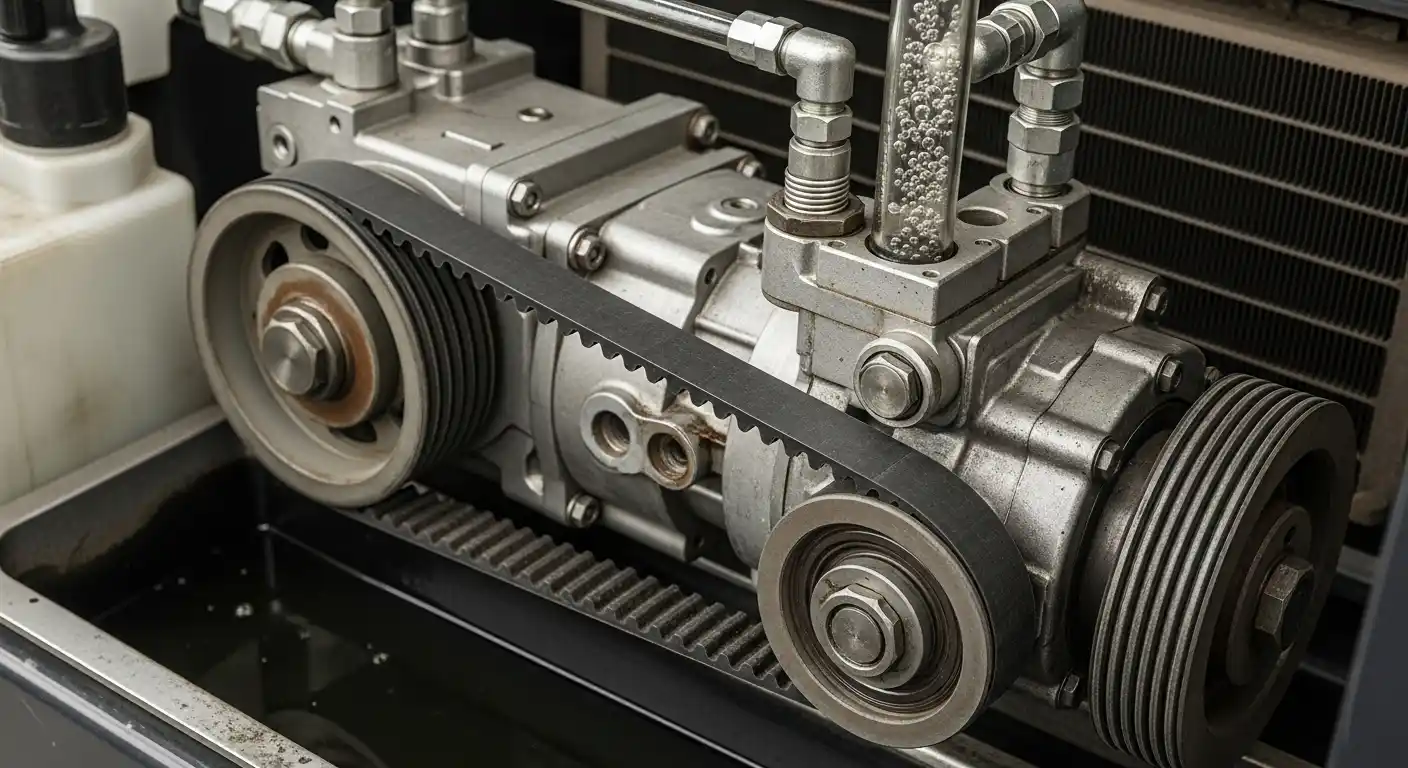
Many Ariens machines use a belt to transfer power from the engine to the transmission. If that belt is cracked, stretched, oily, or loose, the transmission may not get enough power. The machine might move fine on flat ground but fail under load.
A belt problem can feel like a transmission failure, which is why it is often misdiagnosed. Look closely before assuming the hydrostatic unit is bad.
3. Air trapped in the hydraulic system
Air in the system can make movement jerky or weak. You may hear whining or notice that the machine responds differently each time you use it. Air can enter through low fluid, loose fittings, or after service if the system was not bled correctly.
Here is a less obvious point: a system with a tiny air leak may still work for days before the symptoms become obvious. That makes the problem hard to trace unless you inspect carefully.
4. Dirty or clogged filters
If your Ariens model has a transmission filter or related hydraulic filter, a clog can restrict flow. Restricted flow means the system cannot build pressure the way it should. The machine may feel weak and slow, especially after it warms up.
Changing a filter is often a simple fix, but only if the correct filter is used. Wrong parts can create new problems.
5. Overheating
Hydrostatic systems can overheat if they are overloaded, run too long, or use old fluid. Heat damages seals and reduces fluid performance. Once the system gets too hot, it may lose drive until it cools down.
Many users think the transmission is “giving out” when it is really overheating from poor maintenance or heavy use.
6. Faulty linkage or control adjustment
If the control arm, pedal linkage, or drive lever is not adjusted correctly, the transmission may not fully engage. That can create slow speed, poor direction changes, or no movement at all.
This is another hidden issue that beginners often miss. The transmission may be fine, but it is not receiving the right control signal from the operator controls.
7. Internal wear or seal failure
Over time, seals, pumps, and internal motor parts wear down. When this happens, the transmission may lose pressure. You may notice weak pulling, delayed movement, or failure under load. Internal wear is more common in older machines or units that have been used hard without maintenance.
At this stage, simple service may not be enough. But before replacing the full unit, it is still worth checking the easier items first.
What to check first before spending money on repairs
Do not start with the most expensive part. Start with the easy checks. This saves time and money.
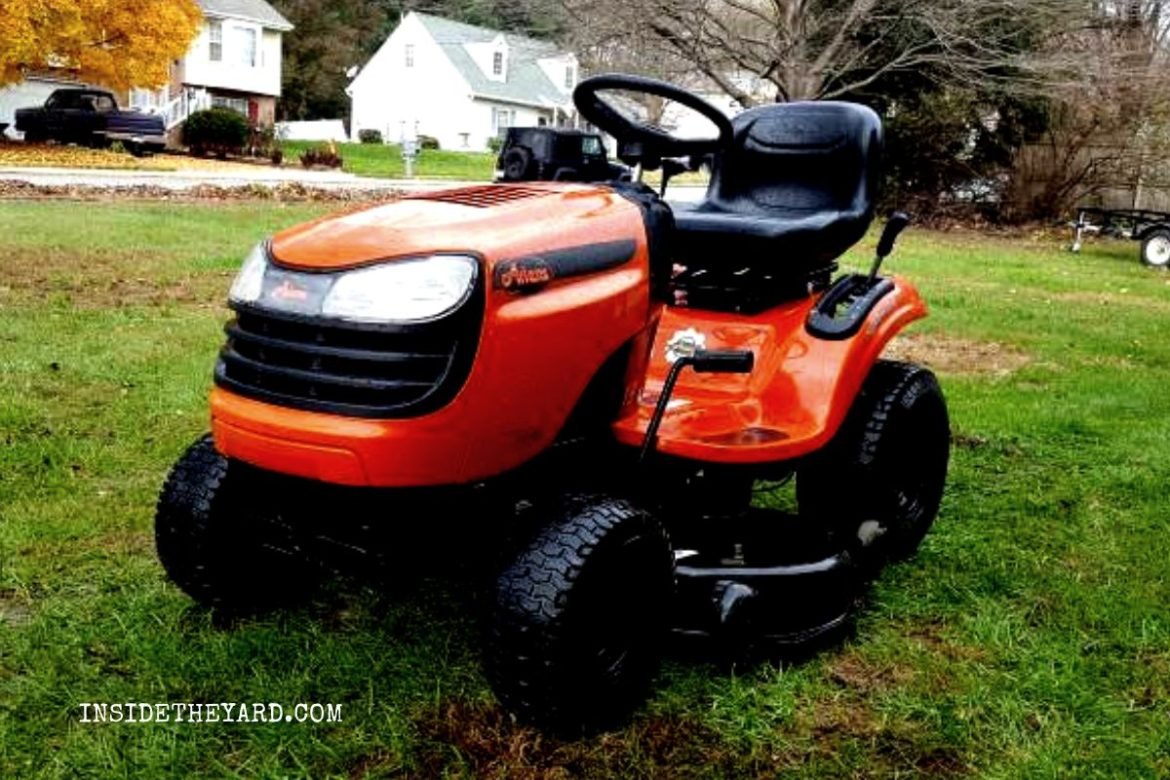
- Check the fluid level and look for leaks around the transmission case, hoses, and seals.
- Inspect the drive belt for cracks, glazing, looseness, or oil contamination.
- Test the control movement to make sure the lever or pedal reaches full range.
- Look for bypass or freewheel settings that may have been left in the wrong position.
- Check for overheating signs like hot housing, fluid discoloration, or reduced performance after long use.
If all of these look normal, then the issue is more likely inside the transmission itself.
Credit: insidetheyard.com
Fixes for the most common problems
Some fixes are simple and can be done at home. Others need tools and experience. The right fix depends on the symptom and the cause.
Fix low fluid or old fluid
If the fluid is low, refill it with the correct type recommended by Ariens for your model. If the fluid looks dark, smells burnt, or has debris in it, change it. Also check for leaks before filling again. If you do not stop the leak, the problem will return.
When changing fluid, work cleanly. Dirt inside a hydrostatic system can cause more harm than the old fluid itself.
Fix belt problems
Replace belts that are cracked, stretched, glazed, or oily. Also inspect the pulleys and tension system. A new belt will not help much if a pulley is damaged or a spring is weak. After replacement, make sure the belt is routed correctly and has proper tension.
One practical tip: if the belt comes off or wears out quickly, look for pulley misalignment. That is often the real cause.
Bleed trapped air
If air is suspected, follow the bleeding process for your specific Ariens model. In general, this means running the machine carefully through its range of motion with the drive wheels raised or the bypass engaged, then rechecking fluid levels. The exact method can vary, so always use the correct service guidance.
For general safety and maintenance advice, the Ariens official website is a helpful place to find model-specific support and manuals.
Clean or replace filters
If your system has a filter, replace it on schedule. If a filter is clogged, a new one can restore flow and improve movement. Do not reuse a filter that is already blocked. Also make sure the fluid is clean before installing the new filter, or the new part may clog again quickly.
Adjust the linkage
If the machine is not responding correctly to the drive controls, inspect the linkage. Look for loose bolts, bent rods, worn bushings, or misaligned pedals. Small adjustments can make a big difference. After adjusting, test the full range of travel and make sure the machine responds smoothly in forward and reverse.
Replace worn seals or internal parts
If seals are leaking or internal wear is confirmed, repair may require rebuilding the unit or replacing it. This is not a simple driveway job for most people. If the machine is older and the unit is badly worn, replacement may be more practical than a rebuild.
A useful rule: if repair cost is close to the cost of a good replacement unit, compare both options carefully before deciding.
How to diagnose the problem step by step
A simple test path can save a lot of confusion. Follow this order so you do not jump too quickly to the wrong conclusion.
- Confirm the symptom. Does the machine move slowly, stop completely, or jerk?
- Check the easiest causes first. Look at fluid, belt, bypass setting, and controls.
- Observe when the problem happens. Cold start, hot operation, hills, or under load?
- Listen for noise. Whining often points to fluid or air issues.
- Inspect for leaks and wear. Even small leaks matter in hydrostatic systems.
- Test after each fix. Do not change five things at once, or you will not know what solved it.
Credit: lawnmowerly.com
What the timing of symptoms tells you
If the machine works when cold but fails when hot, heat-related wear or weak fluid is likely. If it works on flat ground but not on slopes, the system may be weak under load. If one direction is worse than the other, the control linkage or internal flow may be uneven.
These patterns are useful. They help you narrow the problem without guessing.
Common mistakes people make
Many repairs fail because the real cause was missed. Avoid these mistakes if you want a lasting fix.
- Replacing the transmission too early without checking the belt, fluid, and linkage.
- Using the wrong fluid for the machine model.
- Ignoring small leaks until the system loses pressure.
- Forgetting to bleed air after service.
- Overtightening or misrouting belts during installation.
- Skipping adjustment checks after changing parts.
Another non-obvious mistake is cleaning the outside of the unit and assuming it is fine inside. A clean housing does not tell you much about fluid quality, internal wear, or hidden leaks.
How to prevent future transmission problems
Prevention is much easier than repair. A hydrostatic transmission can last a long time if you treat it well.
Use the machine the right way
Do not overload the machine or push it beyond its design limits. Avoid hard starts, sudden direction changes, and long operation on steep slopes if the model is not meant for that kind of use. Heavy strain creates heat, and heat shortens transmission life.
Keep maintenance on schedule
Change fluid and filters when recommended. Inspect belts regularly. Check for leaks before each season. A few minutes of inspection can prevent a major repair later.
Store the machine properly
Long storage without care can hurt hydraulic systems. Keep the machine in a dry place. If it sits for months, check fluid condition before use. Old fluid and moisture can cause poor performance when the season starts again.
Watch for early warning signs
If the machine becomes noisy, slow, or inconsistent, do not ignore it. Early action is one of the best ways to avoid full transmission failure. Small symptoms often turn into expensive repairs only because they were delayed.
When to repair and when to replace
Not every hydrostatic problem deserves a full replacement. If the issue is a belt, fluid, filter, or linkage, repair is usually the right choice. If internal wear is serious, the decision becomes harder.
Repair makes sense when:
- The problem is external or maintenance-related.
- The transmission still has good overall performance after basic service.
- The machine is newer or otherwise in good condition.
Replacement may make more sense when:
- The unit has major internal damage.
- Leakage is severe and recurring.
- The machine is old and repair cost is too high.
If you are unsure, a good technician can test pressure and inspect wear before you spend money on a full replacement.
Credit: justanswer.com
Final thoughts
ariens hydrostatic transmission problems can feel serious, but many of them start with simple issues. Low fluid, a worn belt, trapped air, bad adjustment, or clogged flow can all make the machine act weak or unresponsive. The best repair strategy is to begin with the basics and work toward the deeper causes only if needed.
That approach saves time, avoids wasted parts, and helps you keep your Ariens machine running smoothly for longer. If you stay alert to early symptoms and do regular maintenance, you can prevent most major transmission troubles before they grow.
FAQs
1. What are the first signs of Ariens hydrostatic transmission problems?
The first signs are usually slow movement, jerky driving, whining noise, or weak pulling power on hills. In many cases, the machine still works, but it does not feel normal.
2. Can low fluid cause the transmission to stop working?
Yes. Low fluid can let air into the system and reduce hydraulic pressure. That can cause poor movement, strange noise, or total loss of drive if the level gets too low.
3. Is a slipping belt the same as a bad transmission?
No. A slipping belt can feel like a transmission failure, but the transmission itself may still be fine. Always inspect the belt and pulleys before assuming the hydrostatic unit is bad.
4. Why does my Ariens machine move only when it is cold?
This often means the fluid is weak, the system has internal wear, or seals are failing. Cold fluid may still build enough pressure, but performance drops once the system warms up.
5. When should I replace the transmission instead of repairing it?
Replace it when internal damage is severe, leaks keep returning, or repair costs are close to the cost of a new unit. If the problem is just fluid, belt, filter, or linkage, repair is usually enough.