
If your mower leaves grass clumps, stripes, or a weak discharge, the problem may be the blade design. A what is a high lift mower blade answer is simple: it is a blade shaped to create stronger airflow so grass is lifted, cut, and pushed out more forcefully.
This blade style matters most when you want cleaner bagging, better side discharge, or fewer leftovers under the deck. It also helps explain why the same mower can perform very differently with the wrong blade installed.
Below, you will see how high lift blades work, where they shine, when they are the wrong choice, and how to pick one for your mower deck and grass type. You will also learn the common mistakes that reduce cut quality fast.
What a high lift mower blade actually does
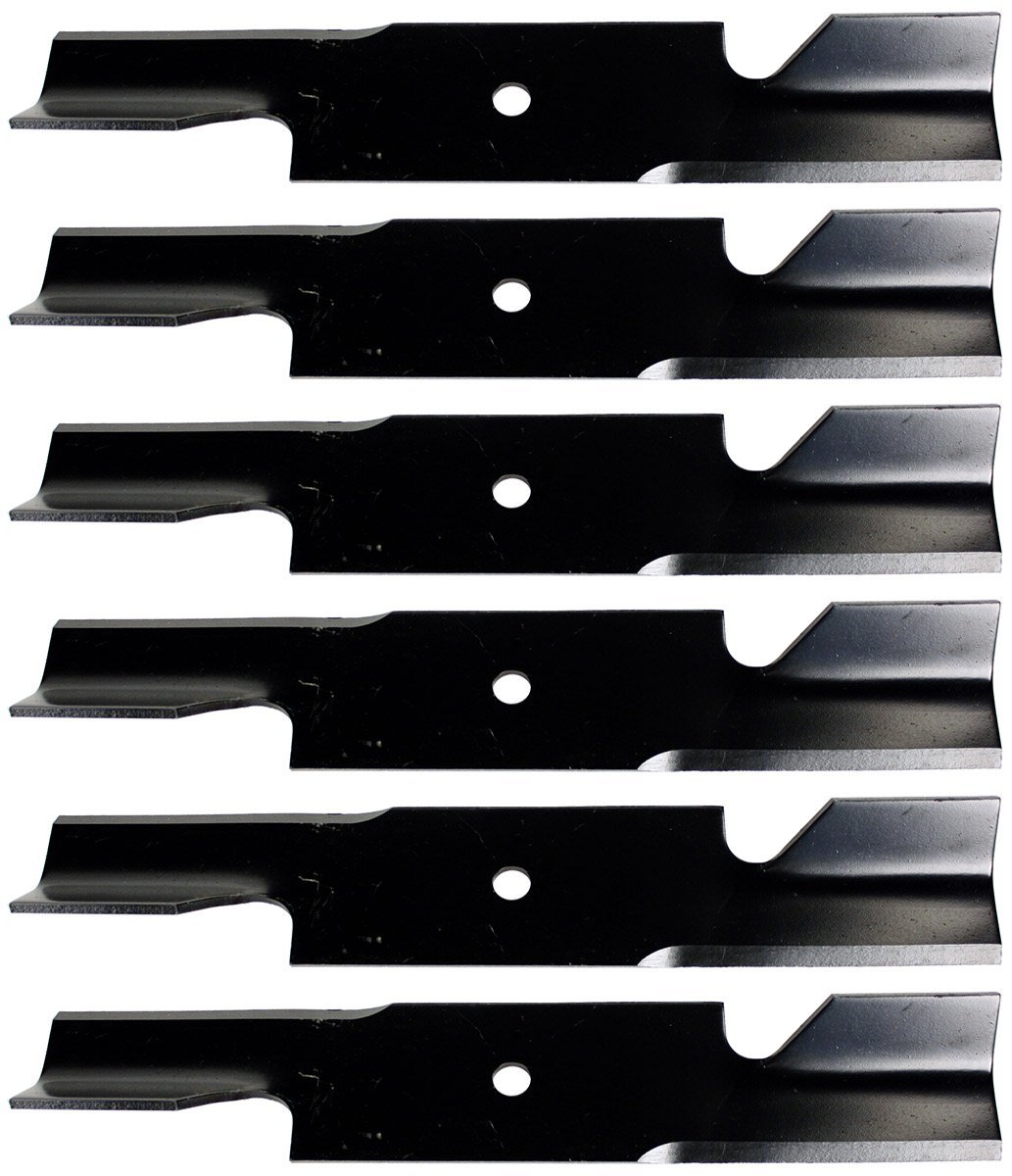
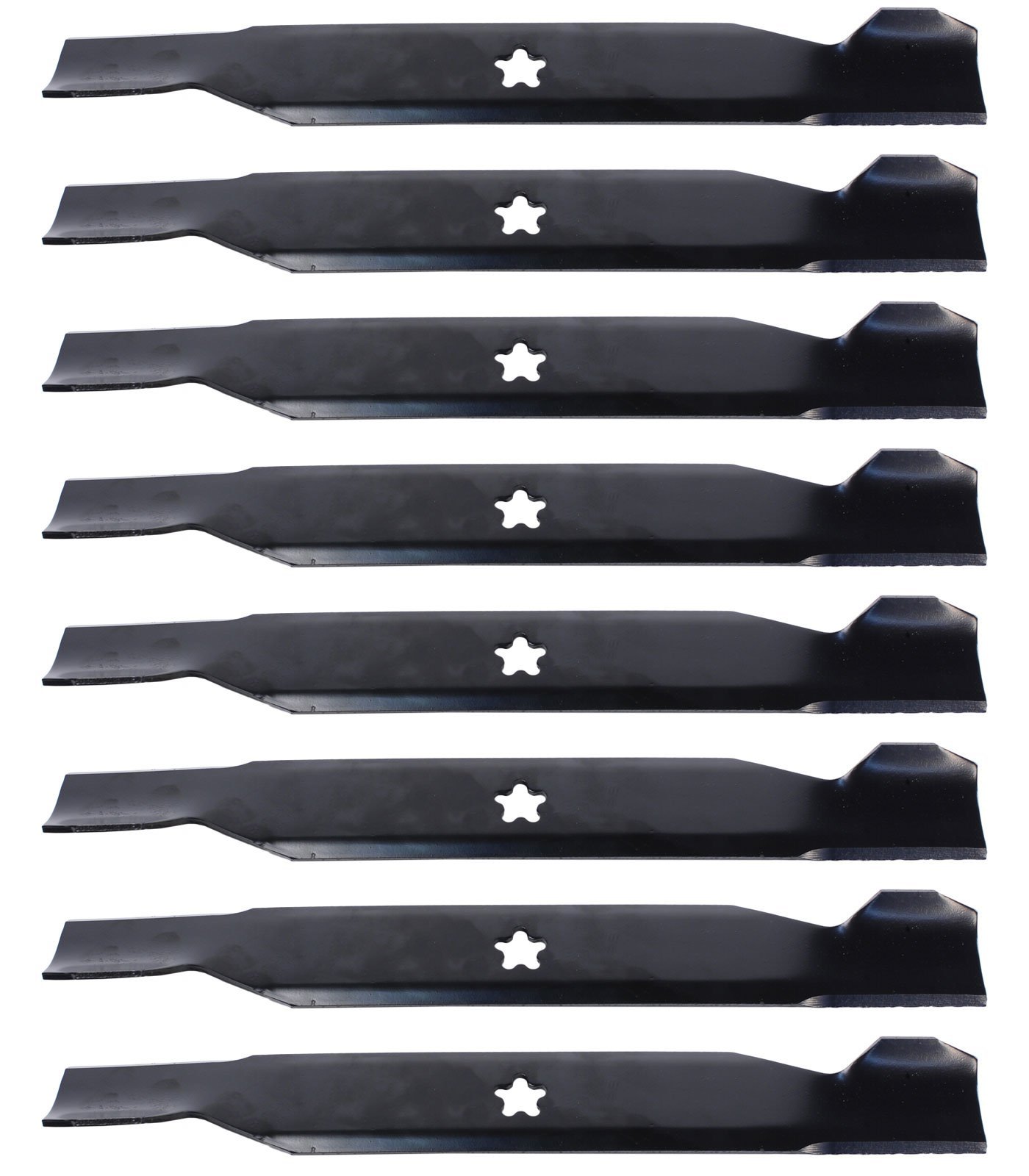
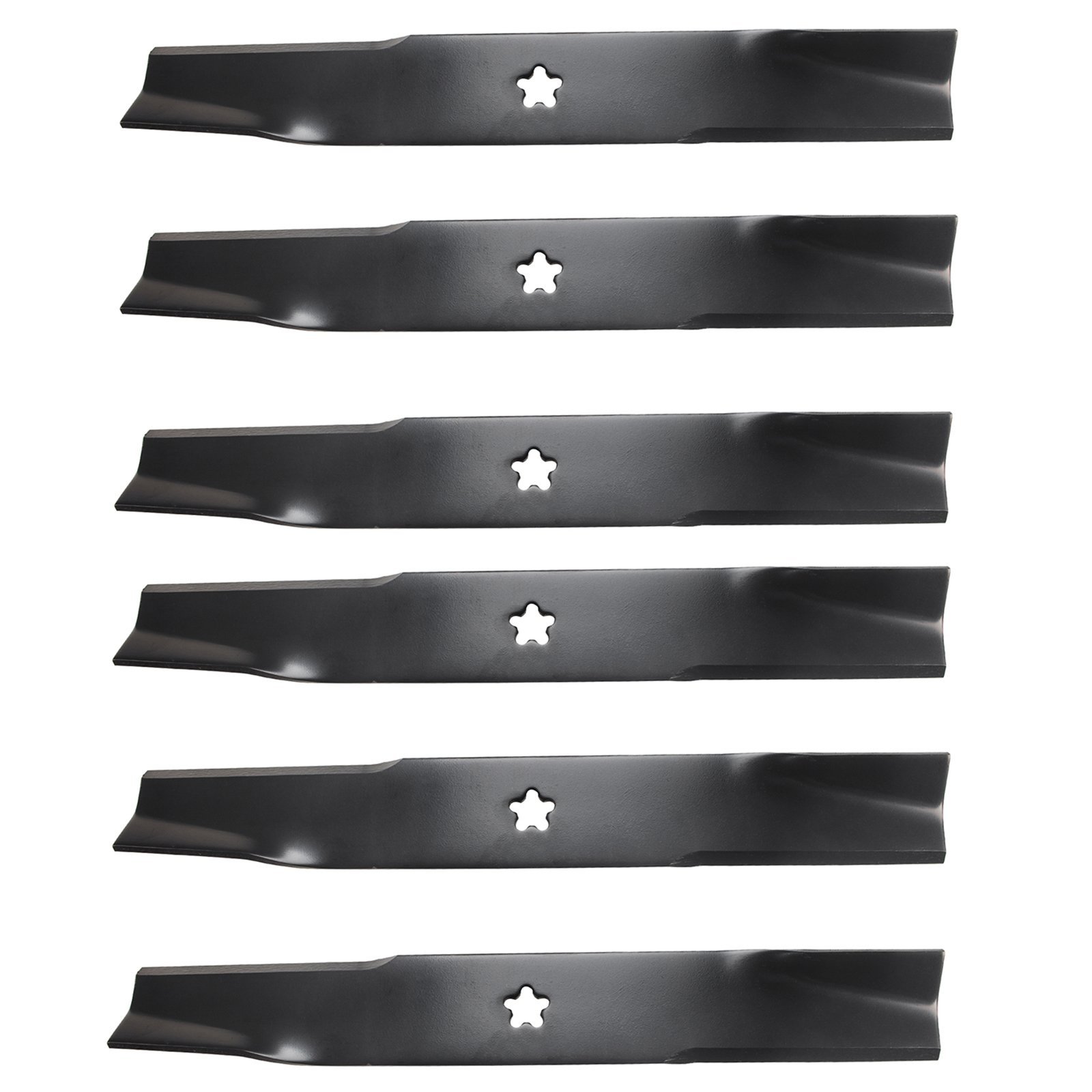
A high lift mower blade is designed with more curved sail area on the ends of the blade. That curve acts like a small fan. As the blade spins, it pulls air upward through the deck, lifts the grass before cutting, and then pushes clippings out of the discharge chute or into the bag.
The key idea is airflow. Cutting is only part of the job. A mower blade also moves air, and a high lift design moves more air than a standard or low-lift blade. That stronger airflow is why these blades usually leave a cleaner result when grass is tall, damp, or thick.
Most homeowners notice the difference in three places: bagging performance, discharge force, and cut quality on overgrown lawns. The blade does not make the mower more powerful, but it uses the available power differently. That is why a high lift blade can improve performance on one mower and hurt it on another.
Why the blade shape matters
The lift comes from the blade’s angled wings, often called the sail. A taller sail catches more air. More air movement helps stand grass upright before the cutting edge passes across it, which usually means a more even cut.
This is also why high lift blades can make more noise. More airflow means more turbulence under the deck. If you have ever heard a mower sound “windier” with a certain blade, that is usually the reason.
One non-obvious point: blade lift is not the same as blade sharpness. A very sharp low-lift blade can still do a poor job bagging. A moderately sharp high lift blade may discharge better simply because the airflow is stronger.
How a high lift mower blade works under the deck
Once the blade spins, the curved ends move air upward. That airflow creates a small vacuum effect under the deck, which lifts grass blades before the cutting edge reaches them. After the cut, the moving air carries clippings toward the chute or bagging system.
This process has a practical side. If the deck is clean and the blade is the right size, the mower can keep grass moving instead of letting it swirl and pack down. If the deck is clogged with wet buildup, even a high lift blade loses much of its advantage.
Another detail many users miss is that blade speed matters as much as blade shape. Most walk-behind and riding mowers run blades at several thousand RPM, and the blade only works well when it reaches enough tip speed to move air. If the engine is weak, the blade is bent, or the deck belt slips, airflow drops fast.
The three jobs the blade is doing at once
- Lifting grass: It raises the grass so the cut is more even.
- Cutting grass: The sharpened edge slices the blade cleanly.
- Moving clippings: Airflow carries clippings out or into the bag.
That combination is why high lift blades work so well on bagging setups. They do not just cut; they also transport. Without enough lift, clippings can fall back under the deck and get chopped again, which often creates a clump of fine debris.
If you want official safety and mower handling guidance, the CPSC lawn and garden safety guidance is a useful reference for safe operation around blades and outdoor power equipment.
Benefits of using a high lift mower blade
The biggest benefit is cleaner grass handling. A high lift blade gives clippings a stronger path out of the deck, so your mower can bag more efficiently and discharge more evenly. For many yards, that alone makes the cut look better.
These blades also help when grass is thick or slightly tall. The extra airflow stands the grass up before cutting, which reduces missed blades and uneven patches. That can matter a lot on warm-season lawns that grow fast during peak season.
High lift blades can also reduce visible clumps in the yard after mowing. When clippings move out of the deck instead of dropping in a heavy pile, they spread more evenly across the lawn or into the bag.
Where the benefits show up most
- Bagging: Better pickup, especially with dry grass and proper engine speed.
- Side discharge: Stronger throw distance and less bunching near the chute.
- Overgrown grass: Better lift for a cleaner first pass.
- Leaf cleanup: More airflow can help move light leaves through the deck.
There is one more benefit that people often overlook: cleaner decks. Because the grass moves more aggressively out of the discharge path, some clippings stay in motion instead of building up under the shell. That does not prevent buildup completely, but it can reduce the chance of a heavy mat forming in normal dry conditions.
Still, “more lift” is not always “better.” If your mower has limited horsepower, the blade can add drag and slow the engine. On smaller engines, that can reduce cutting quality because the blade never reaches its best speed.
When a high lift blade is the right choice
A high lift blade is a strong choice when you use a bagger, mow tall grass, or want better side discharge. It is especially helpful on mowers that are designed for good airflow and have enough engine power to keep the blade speed up under load.
These blades are also a smart match for lawns that produce a lot of clippings in one pass. For example, a weekly cut on fast-growing Bermuda or Kentucky bluegrass often creates more material than a low-lift blade can move cleanly. In those cases, the stronger airflow helps keep the deck from bogging down.
They are less helpful if you mulch every time or mow very sandy, dry ground with light grass. In those cases, a mulch blade or low-lift blade may leave a finer result and use less power.
Credit: amazon.com
Best uses for high lift blades
- Bagging grass clippings: Best for a cleaner collection path.
- Discharging long grass: Helps throw clippings farther and more evenly.
- Mowing wet or heavy growth: Useful when the mower needs extra airflow to avoid clumping.
- Leaf pickup: Helps with dry leaves and light debris on the lawn.
A practical rule is this: if your mower has a chute and a bagger, a high lift blade is often the better match. If your main goal is fine mulching, it may be the wrong tool.
Another overlooked point is deck size. A 42-inch deck and a 60-inch deck do not react the same way to blade changes. Larger decks often need more precise airflow management, so a high lift blade can help in one model and create too much drag in another.
When a high lift blade is the wrong choice
High lift blades are not ideal for every lawn or mower. If your mower struggles in thick grass, the extra drag can make the engine labor. When that happens, the blade may spin slower, and the cut gets worse instead of better.
They also are not the best option for very dusty or sandy yards. More airflow can stir more debris. That is not usually dangerous by itself, but it can make mowing less comfortable and can increase wear if the deck keeps pulling in grit.
If you mulch leaves or clippings into the turf, a dedicated mulching blade often works better. Mulching blades are shaped to keep clippings inside the deck longer so they can be chopped finer. A high lift blade is more focused on moving material out fast.
Common signs the blade is too aggressive for your mower
- The engine bogs down on normal grass.
- The mower sounds strained or slow.
- Fuel use rises because the engine works harder.
- The cut looks ragged on thick patches.
Non-obvious insight: a blade that increases airflow can sometimes make the mower leave more visible dust or dry debris on the operator side. That happens because strong discharge moves light material farther and faster. If you mow near a house, car, or walkway, that extra throw can be inconvenient.
High lift vs standard and mulching blades
It helps to compare blade types by what they are designed to do. A standard blade gives balanced performance. A high lift blade focuses on airflow and discharge. A mulching blade focuses on repeated cutting inside the deck.
The right choice depends on your mowing goal, not just on blade shape. Many homeowners assume one blade is universally “best,” but that is not true. A blade that shines in bagging can be poor for mulch work.
Here is a simple way to think about them:
| Blade type | Main strength | Main trade-off | Best use |
|---|---|---|---|
| High lift | Strong airflow and discharge | More drag and noise | Bagging, side discharge, tall grass |
| Standard | Balanced cutting and airflow | Less specialized | Everyday mowing |
| Mulching | Fine recutting of clippings | Can clog in wet grass | Mulching and lawn feeding |
One detail that surprises many people: some mower decks are tuned for a specific blade shape. The deck shell, discharge opening, and blade length all work together. So two blades with the same length can still cut very differently if the sail height changes.
Credit: amazon.com
How to choose the right high lift blade
The right blade must match the mower deck, spindle mount, and cutting width. Never choose only by “fits 42-inch decks” wording. The center hole shape, length, thickness, and lift style all matter.
Start with your mower manual or model number. The manual usually gives the exact blade part number or approved replacement type. That matters because a blade that is too long, too thick, or wrong at the center hole can cause vibration or unsafe operation.
If you mow mostly dry grass and bag clippings, choose a blade with stronger lift. If you mow with a lot of mulch work, stay with a lower-lift or mulching blade instead. A good blade choice should support the way you actually mow, not the way a package describes it.
What to check before buying
- Blade length: Must match the deck size exactly or as specified.
- Center hole: Must match the spindle mount.
- Thickness: Must fit the mower’s design and balance needs.
- Lift height: Higher lift for bagging, lower lift for mulch.
- Rotation direction: Some blades are not interchangeable.
It also helps to think about grass type. Fine grass often bags easily, while thick grass needs more lift to move cleanly through the deck. In very dense lawns, the blade can make the difference between a neat discharge and a messy clog.
For safe maintenance and blade-handling basics, follow the mower maker’s official instructions. The safest source is usually the official owner’s manual or support page for your exact model.
Installation, care, and common mistakes
Installing a high lift blade is simple, but small mistakes can create vibration or poor cut quality. The blade must sit in the correct direction, be tightened to the proper torque, and remain balanced. If any of those are off, the mower can shake badly.
Before changing the blade, disconnect the spark plug wire on a gas mower or remove power according to the manufacturer’s instructions. Then inspect the old blade for bends, cracks, or uneven wear. A bent blade can make a mower feel underpowered even when the engine is fine.
After installation, test the mower on dry grass first. Listen for unusual vibration and watch the discharge pattern. If the mower still clumps or pulls unevenly, the problem may be deck buildup, dull edges, or a weak engine, not the blade alone.
Common mistakes people make
- Using a blade that fits the deck size but not the spindle mount.
- Installing the blade upside down.
- Reusing a blade with a bent sail or cracked edge.
- Expecting better results in wet grass without cleaning the deck.
- Choosing high lift for a mower that already struggles under load.
Another non-obvious issue is balance. Even a good blade can create vibration if it is damaged or sharpened unevenly. That vibration wears spindle bearings faster and can make the mower sound louder than normal.
For detailed mower safety and maintenance guidance, use the manufacturer’s official support materials. That is the most reliable way to confirm torque specs, replacement part numbers, and safe service steps.
Final take on high lift blades
So, what is a high lift mower blade? It is a blade built to move more air under the deck, which improves lifting, bagging, and side discharge. That extra airflow is the main reason it works so well on thick grass and messy clippings.
The blade is not a magic upgrade. It helps most when your mower has enough power, your deck is clean, and your goal is better discharge or bagging. If you want fine mulching or your engine already struggles, a different blade may be the better match.
The best choice is the one that fits your mower, your grass, and your mowing style. When those three line up, a high lift blade can make a noticeable difference in cut quality with very little effort.
Credit: amazon.com
FAQs
1. What is a high lift mower blade used for?
A high lift mower blade is mainly used for bagging grass, side discharge, and mowing thicker or taller grass. It creates stronger airflow so clippings move out of the deck more efficiently.
2. Does a high lift blade cut better than a standard blade?
Not always. It often cuts cleaner in heavy grass because it lifts the grass better, but a standard blade can be better for general mowing or lower power mowers.
3. Can I use a high lift blade for mulching?
You can, but it is usually not the best choice. High lift blades are designed to move clippings out fast, while mulching blades are designed to keep clippings inside the deck longer.
4. Why does my mower sound louder with a high lift blade?
Because the blade moves more air under the deck. That stronger airflow creates more turbulence, which often makes the mower sound louder than with a low-lift blade.
5. How do I know if a high lift blade fits my mower?
Check your mower model number, deck size, center hole type, and blade length in the owner’s manual. The blade must match all of those details, not just the deck width.