
Draining old fuel is one of the safest ways to fix storage problems, clogged carburetors, and hard-start issues. If you want to know how to drain gas from lawn mower equipment without making a mess, the process is simple when you use the right steps.
The key is to work slowly, keep the engine cool, and control the fuel flow instead of letting gasoline spill. That protects you, your garage, and the mower’s fuel system. It also helps prevent stale gas from sitting in the tank for months and causing starting trouble later.
Below, you’ll find a clear method, the tools you need, the safest ways to empty different mower types, and the mistakes that cause most spills. You’ll also learn when you should drain the tank completely and when it is better to run the mower dry instead.
Before you start, make the mower safe
Gasoline is highly flammable, so the first job is not draining. The first job is making the mower safe to handle. A few careful steps here reduce the chance of fire, skin contact, or fuel fumes building up in a closed space.
Start by moving the mower outdoors or into a very open area. Keep it away from pilot lights, heaters, sparks, batteries, cigarettes, and anything that can create heat. A cool engine matters too, because hot engine parts can ignite fuel vapor fast.
If your mower is a gas model with a spark plug wire, disconnect the spark plug wire and move it away from the plug so the engine cannot start by accident. For battery-powered start systems, remove the battery if your mower manual allows it. The U.S. Consumer Product Safety Commission also recommends following basic mower safety practices and using the owner’s manual for your model; if you need general safety guidance, the official mower safety guidance is a useful reference.
Gather the right tools first
You do not need special shop equipment for most mowers. A simple setup is enough, and that makes the job easier for beginners.
- A fuel-safe gas can or approved fuel container
- A siphon pump or hand fuel transfer pump
- Clean rags or paper towels
- A pair of gloves
- Safety glasses
- Channel-lock pliers or a screwdriver, if you need to loosen a fuel line clamp
- A drain pan or tray for extra protection
Use only a container marked for gasoline. A random plastic bottle can melt, leak, or build pressure. That is one of those small mistakes that turns a 10-minute task into a dangerous cleanup.
How to drain gas from lawn mower step by step
The safest method depends on the mower design, but the basic goal is always the same: move fuel from the tank into an approved container without spilling it. For most homeowners, a siphon pump is the easiest and cleanest choice.
-
Shut off the mower and let it cool.
Wait at least 15 to 30 minutes after use. A cool engine reduces the chance that gasoline vapors will ignite while you work.
-
Move the mower to a flat outdoor area.
Flat ground keeps fuel flowing in a controlled way. It also helps the tank empty more fully and lowers the risk of tipping.
-
Prepare the container and pump.
Place the gas can below the tank opening if you are siphoning. Make sure the cap comes off easily before you begin, because fumbling with it later increases spill risk.
-
Open the fuel cap.
Remove the cap slowly. If the mower has pressure buildup, you may hear a light hiss. That is normal, but open it carefully and keep your face away from the opening.
-
Insert the siphon tube into the tank.
Push the tube down far enough to reach the fuel. Most hand pumps work better when the tube sits near the lowest point in the tank.
-
Pump until fuel starts flowing.
Once the fuel moves, guide the discharge end into the approved container. Watch the flow closely. Even a strong siphon can splash if the hose shifts.
-
Stop before the tank is bone dry if needed.
Some mowers have a small amount of fuel that sits below the pickup point or around internal baffles. A tiny residue is normal. Do not force the mower to tilt sharply just to chase the last drops.
-
Seal the fuel container and wipe the area clean.
Close the gas can tightly. Then wipe the mower’s tank opening, the cap, and any drips from the deck or engine shroud.
Most people are surprised that the simplest part is the actual draining. The hard part is controlling the fuel path so nothing spills. A slow setup saves far more time than a rushed cleanup.
What to do if the siphon will not start
Some mowers have fuel tanks with anti-spill screens, narrow fill necks, or awkward shapes that make siphoning harder. If the fuel will not move, do not keep pumping forever. Recheck the tube placement and make sure the discharge hose is lower than the tank.
If the design still resists siphoning, the next best method is usually to remove the fuel line from the carburetor and drain the tank by gravity. That takes a little more care, but it is often the cleanest choice on walk-behind mowers.
Alternative ways to empty the tank
Not every mower drains the same way. Push mowers, self-propelled models, riding mowers, and zero-turn machines can all have different fuel layouts. Knowing the alternatives helps you choose the method that matches your equipment instead of forcing the wrong one.
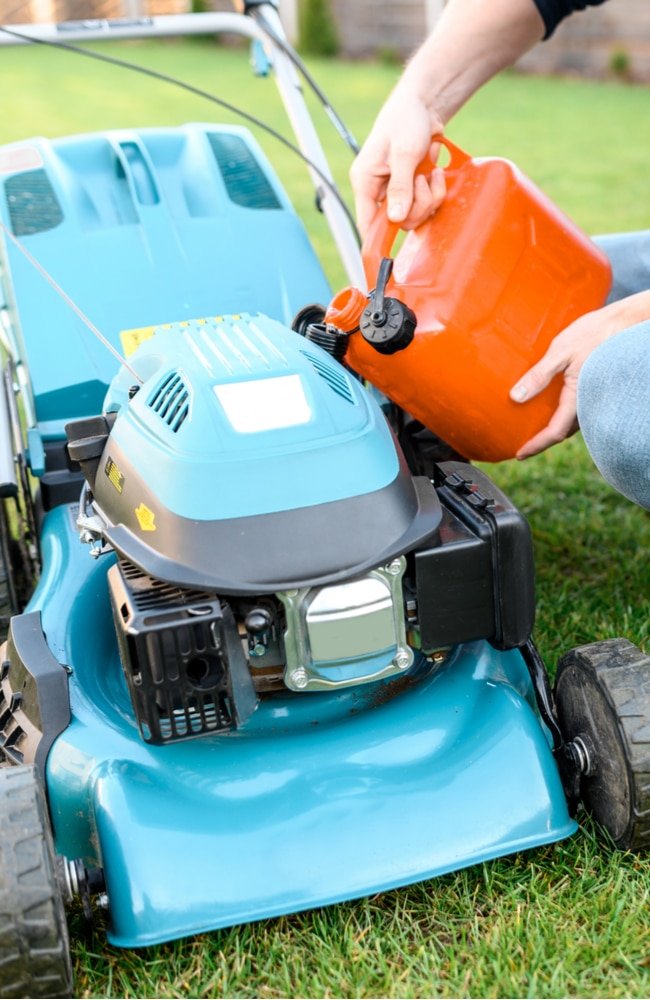
Credit: thegreenpinky.com
Drain by running the mower dry
This is the easiest option if the tank is nearly empty already. Simply run the mower outdoors until it stops from lack of fuel. Then let it cool before storing it.
This method works well when you only need the carburetor and fuel line nearly empty for seasonal storage. It is less useful if the tank is full, because it takes time and may leave stale fuel sitting in the tank while you use it up.
Use the fuel line and carburetor drain method
Some mower engines have a fuel line that can be slipped off the carburetor inlet. When you do this, fuel in the tank drains by gravity into a container. This can be very effective, but it should be done only if you can reach the line safely and reconnect it correctly.
Place a rag under the line connection before loosening anything. Then use pliers to move the clamp back, pull the line free, and guide the fuel into the container. Reattach the line tightly when you are done. A loose clamp or cracked hose can cause leaks the next time you use the mower.
Use the carburetor drain screw if your mower has one
Some carburetors include a small drain screw or bowl drain. Turning it slightly allows fuel to empty from the bowl without disconnecting the fuel line. This is useful for winter storage and for engines that flood easily.
Not every mower has this feature. Check the owner’s manual if you are not sure. If you loosen the wrong screw, you can damage the carburetor body or create a leak that is harder to fix than the original problem.
| Method | Best for | Pros | Watch out for |
|---|---|---|---|
| Siphon pump | Most push mowers and simple tanks | Clean, beginner-friendly, low mess | Can be slow on narrow fill necks |
| Run dry | Small fuel amounts before storage | No tools needed | Not ideal for a full tank |
| Fuel line removal | Mowers with accessible fuel lines | Fast and thorough | Risk of leaks if the clamp is not reset |
| Carburetor drain screw | Engines with a drain feature | Good for bowl emptying | Only works on certain models |
Common mistakes that cause spills or damage
Most draining problems come from rushing. The second biggest issue is using the wrong container. Gasoline needs respect, not force.
One common mistake is tilting the mower too far. That can send fuel into places it should not go, including the air filter, spark plug area, or engine housing. If that happens, you may create a hard-start problem for your next use.
Another mistake is draining fuel indoors because it feels more convenient. Gas vapor can spread farther than people expect. Even a small amount can be dangerous in a closed garage. Open air is the better choice every time.
People also forget that old fuel can be the real problem. Gasoline that sits for 30 days or more can begin to break down, especially if it contains ethanol. That stale fuel can leave deposits in the carburetor and make the mower run rough later. If your mower has already been sitting for months, draining is often only part of the fix.
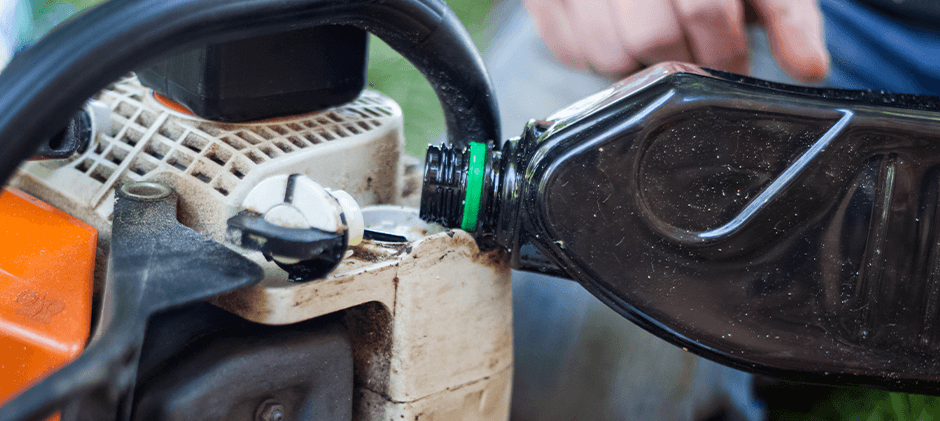
Credit: fridayparts.com
How to tell whether fuel is actually bad
Old gas often smells sour, varnish-like, or just “off.” It may also look darker than fresh fuel. If the mower was stored with a nearly full tank for a season, assume the fuel may be compromised even if it still looks usable.
A mower that starts only with choke, stalls at idle, or surges under load can also point to stale fuel or carburetor deposits. Draining the tank is a smart first step before you start replacing parts.
What to do after the gas is out
Once the tank is empty, do not forget the rest of the fuel system. A mower can still hold a small amount of gasoline in the line and carburetor bowl, and that leftover fuel can matter during storage.
Wipe down the fuel cap area, tank neck, and any sprayed surfaces. Check the air filter housing too. If fuel reached the filter, replace it rather than trying to dry it and reuse it. A fuel-soaked filter can block airflow and cause poor starting.
If your goal is winter storage, consider adding a few simple maintenance steps: clean the deck, sharpen the blade if needed, and change the oil if your mower is due. Draining fuel is most useful when it is part of a full storage routine, not a stand-alone fix.
For gasoline disposal, follow local rules. Many cities have household hazardous waste sites or approved collection days for fuel. Do not pour gasoline down a drain, into soil, or into trash containers. EPA guidance on fuel and hazardous waste disposal is a reliable reference when you need the official rules for your area.
Storage tips that prevent the same problem next season
Fresh fuel matters more than most owners think. If you are storing a mower for more than 30 days, either empty the tank or use stabilized fuel and run the engine long enough to pull treated fuel through the carburetor. A small amount left in the carburetor bowl can still cause trouble after a few months.
Keep fuel in a sealed container, away from heat, and use it within a reasonable time. A mower that starts easily in spring usually had clean fuel, a clean carburetor, and a dry storage environment.
When draining the tank is the right choice
Draining fuel is the best move when the mower will sit unused for a long time, the gas is already old, or you suspect contamination from water or debris. It is also a smart first step if the engine has started to run poorly after storage.
If you only have a small amount of fresh fuel and plan to mow again very soon, you may not need to empty the tank completely. In that case, using the fuel normally and refilling with fresh gas later may be enough. The point is not to drain fuel every time. The point is to drain it when it lowers risk or solves a real problem.
For many homeowners, the safest rule is simple: if the mower is going into storage for more than a month, or if the fuel smells stale, drain it. That single habit prevents a lot of spring-start frustration.

Credit: lawnmowerly.com
FAQ
How do you drain gas from lawn mower without a siphon pump?
You can run the mower dry if the tank is almost empty, or you can disconnect the fuel line from the carburetor and drain the tank into an approved container. If your mower has a carburetor drain screw, that is another option. Always work outdoors on a cool engine.
Is it okay to leave gas in a lawn mower over winter?
It is usually not the best idea unless you use stabilized fuel and follow the mower maker’s storage instructions. Gasoline can break down in as little as 30 days, and ethanol-blended fuel often causes more storage trouble. Draining the tank is often safer for long storage periods.
Can I tip my lawn mower to get the gas out?
It is better not to tip the mower far unless the owner’s manual says it is safe. Tipping can send fuel into the air filter, carburetor, or engine housing. That can create starting problems and extra cleanup. Controlled draining is much safer.
What should I do with old gasoline after draining it?
Store it in an approved fuel container and take it to a local hazardous waste or fuel disposal site. Do not pour gasoline on the ground, into drains, or into regular trash. Local disposal rules vary, so check your city or county guidance before moving it.
How do I know if the mower still has fuel in the carburetor?
If the engine runs briefly and then stalls, the carburetor bowl may still hold some fuel. Some mowers also have a drain screw that lets you empty the bowl directly. Even after the tank is empty, a small amount can remain in the fuel line and carburetor, so be careful during storage.