
A mower that will not start, stalls halfway through the yard, or leaves ragged grass does not always need a shop visit. If you want to know how to fix a lawn mower, the answer usually starts with a few simple checks that solve the most common problems fast.
Most mower issues come from fuel, air, spark, blades, or basic maintenance. A clogged air filter, old gas, a loose spark plug wire, or a dull blade can make a good mower seem broken. The good news is that many repairs take 10 to 30 minutes and only basic tools.
This guide walks you through easy troubleshooting first, then moves into repairs that matter most. You will learn what to check, how to spot the real cause, and when the problem is big enough to stop and call a professional.
Start with the most likely cause
Before you take the mower apart, begin with the simple stuff. In many cases, the problem is not a major engine failure. It is something small that blocks fuel flow, air flow, or ignition.
Think of the mower like a chain of needs: fuel must reach the engine, air must mix with it, and the spark plug must ignite it. If one link is weak, the mower will not run well. That is why how to fix a lawn mower often starts with a short checklist, not a full repair.
Check fuel first
Old fuel is one of the top causes of mower trouble. Gasoline can go bad in about 30 days without a stabilizer, and ethanol fuel can absorb moisture even faster. If the mower has been sitting for a while, drain the tank and refill it with fresh fuel.
Also check the fuel cap. A blocked cap vent can create a vacuum in the tank. When that happens, the mower may start and then die after a few minutes.
Look at the air filter
A dirty air filter can choke the engine. If the filter is clogged with dust or grass, the engine gets too little air and may run rough, smoke, or stall. Foam filters can often be washed and reused, while paper filters usually need replacement.
If the filter is dark, wet with oil, or packed with debris, replace it. This is one of the cheapest fixes and one of the most overlooked.
Inspect the spark plug
The spark plug fires the fuel mix inside the engine. If it is dirty, cracked, or loose, the engine may not start at all. Remove it and look for heavy carbon buildup, a burned tip, or a wet plug that smells like gas.
A spark plug gap that is too wide or too narrow can also cause weak starting. If you are not sure about the gap size, check the mower manual or the engine label.
Tools and parts that make the job easier
You do not need a full workshop to handle basic mower repair. A few common tools will cover most troubleshooting jobs. Having them ready saves time and helps you avoid damaging small parts.
For many homeowners, the best repairs come from careful inspection, not force. Rushing a small repair can strip screws, break plastic parts, or bend the blade spindle.
- Socket set or wrench set
- Screwdrivers, both flathead and Phillips
- Spark plug socket
- Clean rag or shop towels
- Fuel container for safe draining
- Blade removal block or wood block
- Replacement air filter
- Fresh spark plug
- Fuel stabilizer
- Gloves and safety glasses
If you work on the deck or blade area, disconnect the spark plug wire first. That one habit prevents accidental starting. For safe handling guidance on small engine equipment, the official mower safety guidance from the CPSC is a useful reference.
How to fix a lawn mower that will not start
A no-start problem is usually caused by fuel, spark, or a safety switch. The fastest method is to test each one in order. Start with the easiest checks and move toward deeper repairs only if needed.
1. Confirm the mower is set correctly
It sounds obvious, but many start problems come from a simple setting. Check that the fuel valve is open, the choke is in the right position, and the throttle is set correctly if your mower has one. Also make sure the blade control bar is fully engaged.
Some push mowers have a safety bail that must be held down tightly. If the cable is loose or stretched, the engine may not crank or may shut off immediately.
2. Replace old fuel
If the gas is older than one month, drain it. Even if it still smells “okay,” it may not burn properly. Small engines are more sensitive to stale fuel than cars.
After draining, add fresh fuel and try again. If the mower has a carburetor bowl, old fuel can leave gummy residue there too.
3. Check the spark plug wire and plug
Pull the wire off the plug, then inspect the plug itself. If it is coated with black soot, wet fuel, or rust, replace it. A new spark plug is inexpensive and can solve many starting issues.
If you want to test spark, use a spark tester if you have one. A weak or absent spark means the ignition system needs more diagnosis.
4. Clean or replace the carburetor
If fuel and spark are both present but the mower still will not start, the carburetor may be clogged. The carburetor mixes air and fuel in the right ratio, and tiny passages inside it can block easily.
Many light clogs can be cleared by removing the bowl and cleaning the jet. If the mower still will not run, the carburetor may need a rebuild kit or full replacement. That is common on mowers that sat for a season with untreated fuel.
Signs the carburetor is the real problem
The engine may pop once and stop, run only on choke, or stall when you release the choke. Those signs usually point to fuel delivery trouble, not a dead engine.
Fixing a mower that starts and then dies
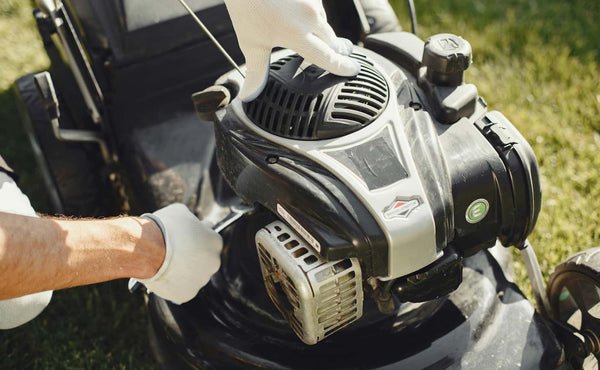
This problem is often more frustrating than a no-start issue because the mower gives hope, then quits. In many cases, the engine is starving for fuel after the initial prime. Airflow problems can also cause the same symptom.
Do not jump straight to major repairs. The pattern of failure usually tells you where to look first.
Credit: eufy.com
Fuel flow problems
Check the fuel cap vent, fuel line, and carburetor inlet. A pinched fuel line or dirty fuel filter can restrict flow after the engine starts. If the mower runs for 1 to 5 minutes and then dies, fuel starvation is a strong suspect.
Remove the fuel line carefully and see whether fuel flows freely from the tank. If it drips slowly or stops, the blockage may be in the tank outlet or line.
Overheating or dirty cooling fins
Some engines quit when they overheat. Grass packed around the engine, clogged cooling fins, or an oily build-up can trap heat. Let the engine cool, then clean the area around the cylinder and shroud.
Heat-related shutdown is less common than fuel trouble, but it matters on mowers that work hard in tall grass or hot weather.
Faulty safety switches
Riding mowers and some newer push mowers have seat switches, brake switches, or blade engagement switches. If one is loose or damaged, the engine may shut off unexpectedly.
Inspect the wiring for obvious damage, corrosion, or disconnected plugs. If a switch fails intermittently, the mower may seem random, but the root cause is usually mechanical or electrical contact failure.
Sharpening, balancing, and replacing the blade
A mower can run perfectly and still cut poorly if the blade is dull or bent. If the grass looks torn instead of cleanly cut, the blade is one of the first things to inspect.
Blade problems do more than hurt the cut quality. They can increase engine load, reduce fuel efficiency, and leave the lawn looking brown at the tips.
When to sharpen the blade
Sharpen the blade if it has a rounded edge, small nicks, or a rough cutting surface. For most homeowners, sharpening once or twice per season is enough, especially if the mower hits sticks or rough patches.
If the blade is bent, cracked, or heavily worn, replace it instead of sharpening it again. Metal fatigue is real, and a damaged blade can create vibration.
How to remove and inspect it safely
- Disconnect the spark plug wire.
- Tip the mower the correct way, usually with the carburetor side up, if the manual allows it.
- Block the blade so it cannot spin.
- Remove the bolt with the correct socket or wrench.
- Inspect the blade for cracks, bends, and uneven wear.
After sharpening, balance the blade before reinstalling it. An unbalanced blade causes vibration that can damage the spindle and deck over time. Even a small weight difference can be enough to feel in the handle.
| Blade condition | What you may notice | Best action |
|---|---|---|
| Dull edge | Torn grass tips, weak cut | Sharpen |
| Small nicks | Uneven cutting, slight vibration | Sharpen and balance |
| Bent blade | Heavy vibration, loud noise | Replace |
| Cracked blade | Unsafe to use, unstable running | Replace immediately |
When the mower vibrates or makes strange noises
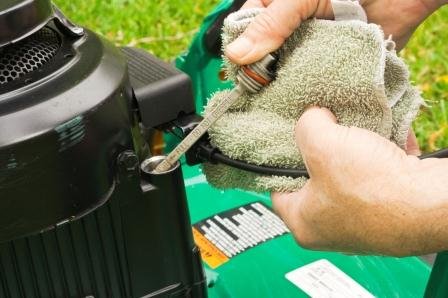
Vibration is a warning sign, not just an annoyance. A mower that shakes a lot may have a damaged blade, loose pulley, bent crankshaft, or loose engine bolt. The sooner you check it, the better.
Do not keep mowing with strong vibration. It can turn a small repair into a larger one very quickly.
Credit: goldeagle.com
Check for loose parts first
Look at the handle bolts, blade bolt, engine mount bolts, and deck hardware. A single loose part can make the whole machine feel unstable. Tighten only to the proper level, because over-tightening can strip soft metal threads.
Inspect the blade path
If the blade hits the deck, it may be bent or installed incorrectly. Grass buildup under the deck can also create drag and extra noise. Clean the underside of the deck after every few mows, especially if the grass is damp.
A scraping sound may also mean the blade adapter or spindle bearing is worn. If the blade wobbles when turned by hand, stop using the mower until the part is checked.
Know when a bent crankshaft is likely
If the blade was struck hard by a rock or root, the crankshaft may be bent. That repair is more advanced and often not worth doing on an older mower. A bent crankshaft usually causes severe vibration and a cutting path that feels “off.”
This is one of those non-obvious problems many beginners miss. They keep replacing blades, but the real issue is the spinning shaft above it.
Routine care that prevents most repairs
The best way to avoid major mower repairs is simple maintenance. A few short tasks done on schedule can prevent the most common failures. This is also where many people save the most time over the season.
Think of maintenance as protection, not extra work. It keeps the engine cleaner, the cut smoother, and the repair bill lower.
Do these tasks regularly
- Change or clean the air filter every season or sooner if dusty
- Use fresh fuel and add stabilizer if the mower will sit unused
- Replace the spark plug once per year or as needed
- Sharpen the blade after about 20 to 25 hours of use, or when the cut quality drops
- Clean grass from the deck and cooling fins after mowing
- Check tire pressure on riding mowers monthly
One small habit makes a big difference: run the mower dry before storage if your model and manual recommend it, or drain the fuel system properly. Old fuel causes more spring start problems than most people expect.
For engine-specific maintenance and safe service intervals, your mower’s manual is the best source. If you need official help, the manufacturer’s owner manual lookup and support page is a practical place to find model-specific guidance.
Common mistakes that make repairs harder
Many mower problems get worse because of simple mistakes during repair. The good news is that these are easy to avoid once you know them.
One common mistake is changing too many parts at once. That makes it hard to know what actually fixed the mower. Another is using the wrong spark plug type or fuel mix, which can create new problems after the repair.
- Skipping the spark plug wire disconnect before working on the blade
- Using stale fuel after cleaning the carburetor
- Forgetting to check the air filter before blaming the engine
- Overlooking a loose safety cable or switch
- Installing the blade upside down
Another mistake is assuming a loud mower problem always means the engine is failing. Often, the issue is outside the engine itself. Deck buildup, blade damage, and loose parts are simpler than they sound and easier to fix.
When to stop and get professional help
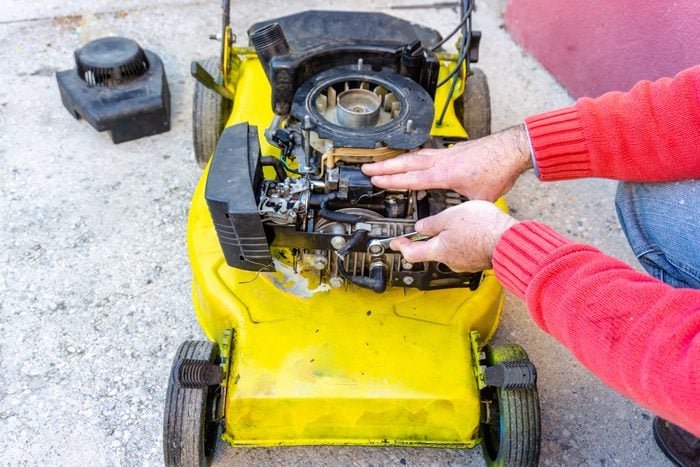
Some repairs are better left to a small engine technician. If the mower has a bent crankshaft, seized engine, repeated ignition failure, or major internal smoke, the repair may be more complex than a home fix.
Call a professional if you smell burning wiring, see fuel leaks that will not stop, or hear grinding from inside the engine. Safety comes first, and a damaged fuel system or electrical fault should not be ignored.
If you have already checked fuel, air, spark, blade condition, and basic switches, but the mower still acts the same, the deeper issue may be in the carburetor, ignition coil, or engine compression. At that point, a proper diagnosis saves time.
Credit: familyhandyman.com
Wrap-up for faster mower repairs
If you want the shortest answer to how to fix a lawn mower, start with fuel, air, spark, and blade condition. Those four areas solve most common problems, and they usually do it without expensive parts or advanced tools.
Work in order, test one change at a time, and do not skip the basics. A mower that will not start or cut well is often trying to tell you something simple. The faster you listen, the faster you get back to mowing.
Frequently asked questions
Why will my lawn mower not start even with fresh gas?
Fresh gas helps, but it does not fix every issue. A dirty spark plug, clogged air filter, blocked carburetor, or bad safety switch can still stop the engine from starting.
How often should I replace a mower spark plug?
Many owners replace it once a year or every season. If the plug is fouled, damaged, or hard to start, replace it sooner.
Can I clean a mower carburetor instead of replacing it?
Yes, if the clog is light. Removing the bowl and cleaning the jet often helps, but a badly corroded or worn carburetor usually needs replacement.
Why does my mower shake so much when running?
The most common cause is a bent, dull, or unbalanced blade. Loose mounting bolts, worn bearings, or a bent crankshaft can also cause strong vibration.
How do I keep my mower from breaking down again?
Use fresh fuel, clean the air filter, sharpen the blade regularly, and remove grass buildup after mowing. A few minutes of maintenance prevents many of the repairs that cause start-up trouble later.