
Hydraulic trouble on a Kubota machine can stop work fast. A loader may move slowly. A backhoe may feel weak. A tractor may make strange noises or refuse to lift at all. When this happens, many owners first think the pump is bad. But in many cases, the real issue is much smaller and easier to fix.
Kubota hydraulic valve problems are often caused by dirty oil, stuck spools, worn seals, air in the system, or simple setup mistakes. The good news is that many of these problems show clear warning signs before they become expensive. If you know what to look for, you can save time, money, and a lot of frustration.
This guide explains the main causes, common symptoms, and easy fixes in simple words. It also shows a few things beginners often miss, like how a small valve issue can look like a pump failure, or how cold hydraulic oil can make a healthy system seem weak.
How Kubota hydraulic valves work in simple terms
Hydraulic valves control where oil goes. In a Kubota tractor, compact track loader, excavator, or utility machine, the valve directs fluid to lift arms, buckets, blades, steering parts, or implements. The valve does not create pressure. It controls pressure and flow made by the pump.
That point matters because many people blame the valve for every hydraulic problem. Sometimes the valve is the issue. Sometimes the pump, oil level, filter, hoses, or cylinders are the real cause. A smart diagnosis starts with the full system, not just one part.
Most Kubota systems use spool valves. A spool moves inside the valve body to open or block oil passages. If the spool sticks, leaks, or does not move fully, the machine may respond poorly. Even a tiny bit of dirt can affect how smoothly it works.
Common causes of Kubota hydraulic valve problems
These are the most common reasons a hydraulic valve starts acting up. Some are simple. Some take a little more time to find. The key is to check the easy items first.
1. Dirty hydraulic fluid
Dirty oil is one of the biggest causes of valve trouble. Tiny metal bits, dust, water, or old fluid can make a spool stick. Dirt can also scratch internal parts and cause internal leakage. Once that starts, the valve may never work as smoothly again.
A common mistake is changing only the oil but not fixing the source of contamination. If a hose is breaking down inside or a filter is failing, the new oil will get dirty again.
2. Low hydraulic fluid level
Low oil can cause weak movement, chatter, and air getting into the system. A valve may seem bad when the real issue is that the pump is pulling air instead of fluid. This can happen after a hose leak, cylinder leak, or poor service fill.
On some machines, low fluid shows up first under load. The arms may work fine with no load, then become slow or uneven when lifting something heavy.
3. Air in the hydraulic system
Air in the oil makes the system feel soft and unsteady. You may hear whining, see jerky motion, or notice delay when controls are moved. Air often enters through loose fittings, cracked suction lines, bad seals, or low fluid level.
Non-obvious insight: air problems and valve problems can look nearly the same at first. The difference is that air issues often change with engine speed, while a stuck valve often feels the same no matter how hard the engine works.
4. Stuck or worn spool inside the valve
The spool is the moving part inside the valve. If it sticks, the hydraulic flow cannot shift properly. That can cause one direction to work and the other not to work, or make motion feel jerky and delayed.
Wear is just as important as sticking. A worn spool or worn valve body can allow internal leakage. That means oil slips past where it should be blocked, so pressure drops and power weakens.
5. Weak or failing hydraulic pump
Many people assume the valve is bad when the pump is actually weak. A valve cannot create flow by itself. If the pump cannot build enough pressure, the valve will only pass poor performance along.
A useful clue is whether multiple functions are weak at the same time. If one control acts up but others are fine, the valve is more likely. If everything is weak, the pump or main supply circuit may be the problem.
6. Worn seals and O-rings
Seals keep oil where it belongs. When they wear out, leak, or flatten, the system loses pressure. External leaks are easy to see. Internal seal failure is harder because oil may leak past a part without showing on the outside.
Seals can also fail faster when the machine runs hot, the oil is wrong, or the system is overpressurized. That is why the same valve can fail again if the root cause is not fixed.
7. Incorrect hydraulic oil type
Using the wrong oil can make a Kubota hydraulic system behave badly. Oil that is too thick can slow movement in cold weather. Oil that is too thin may not protect parts well enough and can increase internal leakage.
Always use the fluid grade recommended in the machine manual. If you are not sure, check the manual or the model-specific service guidance from Kubota’s support information at Kubota’s official website.
8. Clogged filters or restricted lines
A clogged filter can starve the valve and reduce flow. A bent line, crushed hose, or blocked suction path can do the same thing. When flow is limited, the valve may appear weak even if the valve itself is fine.
Beginners often miss this because the machine may still move. But slow movement under load is enough to show a restriction.
Symptoms that point to valve trouble
Hydraulic problems do not always fail completely. More often, they start with small signs. Watching those signs early can save a major repair later.
| Symptom | What it may mean | How urgent it is |
|---|---|---|
| Slow lifting or slow implement movement | Low flow, valve restriction, weak pump, or low fluid | Medium |
| Jerky or uneven motion | Air in the system, sticking spool, dirty oil | Medium to high |
| One function works, another does not | Valve section problem or linkage issue | High |
| Hydraulic whine or chatter | Air, low fluid, suction issue, or restriction | High |
| Leak around the valve body | Bad seal, loose fitting, cracked housing | High |
| Control lever feels stiff or stuck | Mechanical binding or spool sticking | Medium to high |
| Machine gets weak when warm | Internal leakage in valve, pump wear, or bad seals | High |
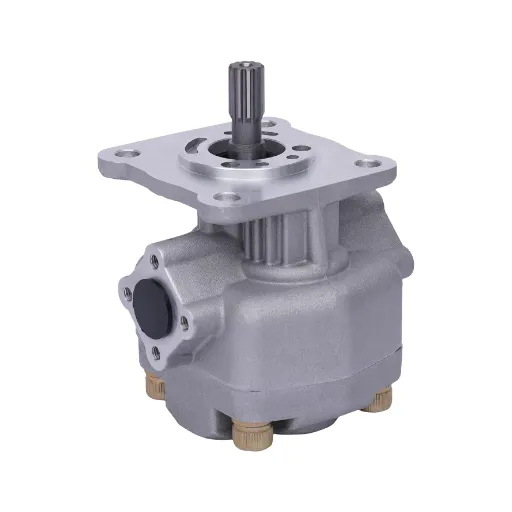
One important clue is whether the problem changes with temperature. If the machine works better when cold and worse when hot, internal leakage is more likely. Warm oil is thinner, so worn parts leak more easily.
Credit: hydraulicpump-suppliers.com
Signs that the valve may be the real problem
- Only one hydraulic function is weak or dead.
- A control works in one direction but not the other.
- The lever feels normal, but the output is poor.
- The problem stays the same even after fluid and filters are checked.
- There is no major pump noise, but the valve section acts strange.
Signs that the problem may not be the valve
- All functions are weak at the same time.
- The pump is loud or whining badly.
- Fluid is very low.
- The machine improves after topping up oil or replacing a filter.
- The issue only appears after a hose leak or service mistake.
Easy fixes you can try first
Before removing a valve, do the basic checks. Many hydraulic issues are solved with simple service work. These steps are safe starting points for most owners.
1. Check fluid level and condition
Look at the reservoir level first. Fill it to the correct mark if it is low. Then inspect the oil color and smell. Dark, milky, burnt, or gritty oil is a warning sign. Milky oil often means water contamination.
If the oil is bad, change it and the filter as a set. Do not just add new oil on top of old dirty oil.
2. Replace the hydraulic filter
A clogged filter can cause slow or weak hydraulic action. If the filter is overdue, replace it with the correct part number. Use a clean install method so dirt does not enter the system during service.
After replacement, run the machine and check if performance improves. If it does, the valve may never have been the root problem.
3. Inspect hoses and fittings
Look for wet spots, cracks, loose clamps, swollen hoses, and damaged ends. Check suction lines carefully. A suction leak may not spray oil, but it can still pull air into the system.
Do not overlook small seepage points. A tiny leak can become a big air entry problem.
4. Cycle the controls to remove trapped air
If the system was recently opened, air may be trapped inside. Run the machine at low speed and slowly cycle each hydraulic function several times. Use smooth movements. Do not slam the controls.
If the problem came after repair work, this step can make a big difference. Sometimes the machine only needs time to purge air.
5. Clean or inspect the valve spool area
If a spool is sticking, the valve may need careful cleaning and inspection. This is not a rough job. Small scratches matter. Use clean tools and work in a clean space.
Important: if a spool is badly scored or the valve body is worn, cleaning will not fix it for long. In that case, replacement or rebuild may be the better choice.
6. Test for overheating
Heat can reveal problems that stay hidden when the machine is cold. After running for a while, touch test the area carefully or use a temperature tool if available. Very hot hydraulic parts can point to internal leakage or restriction.
Non-obvious insight: a valve that is only slightly worn may still pass a basic bench test, but fail after heat builds up. That is why warm-machine testing matters.
How to diagnose the problem step by step
If you want a better answer before replacing parts, use a simple order of checks. This reduces guesswork and prevents costly mistakes.
- Check oil level. Make sure the reservoir is full to the proper mark.
- Inspect oil condition. Look for dirt, milkiness, or burnt smell.
- Check the filter. Replace it if service time is due or if flow seems restricted.
- Look for leaks. Check hoses, fittings, seals, and the valve body.
- Observe the symptom. Note which function is weak, slow, or dead.
- Test with engine speed changes. If higher RPM helps a lot, the issue may involve pump supply or restriction.
- Check the valve linkage. Sometimes the lever, cable, or pedal does not fully move the spool.
- Warm the machine up. See if the problem changes with heat.
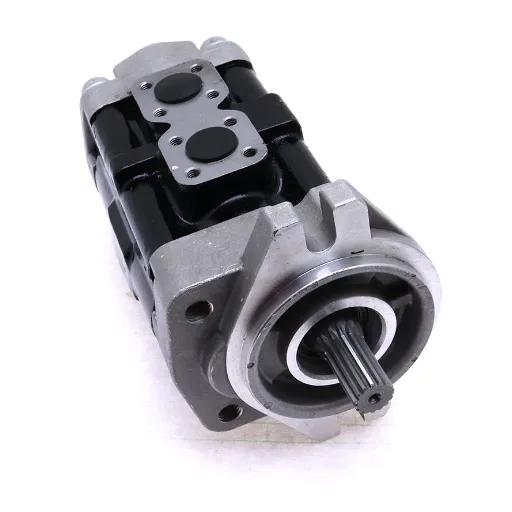
That order matters because it keeps you from replacing an expensive part too early. Many owners save a lot of money by ruling out the simple causes first.
Credit: hydraulicpump-suppliers.com
Common mistakes people make with Kubota hydraulic valve problems
A few mistakes show up again and again. Avoiding them can protect the whole hydraulic system.
Replacing the valve before checking the basics
This is the biggest mistake. A new valve will not fix low fluid, dirty oil, or a clogged filter. If the root cause stays in place, the new part may fail too.
Using the wrong oil after a repair
Some owners use whatever hydraulic fluid is nearby. That can create new problems. The wrong viscosity can change how the valve responds, especially in cold weather.
Ignoring contamination
If a valve is rebuilt in a dirty space, tiny debris can ruin it quickly. Clean work is not optional here. Hydraulic systems are very sensitive to contamination.
Not checking the controls
Sometimes the valve is fine, but the linkage, cable, or joystick is not moving it fully. That can create symptoms that look exactly like a valve failure.
When repair makes sense and when replacement is better
Some valve issues can be fixed with seals, cleaning, and careful reassembly. Others need more than that. The right choice depends on the damage.
Repair may make sense if the problem is caused by a bad O-ring, a loose fitting, a sticky spool from contamination, or a small external leak. Replacement may be better if the valve body is scored, the spool is badly worn, or the same section keeps failing after service.
If multiple symptoms point to heavy wear, do not keep chasing small fixes. A worn valve can waste time and still leave the machine weak.
How to prevent valve trouble in the future
Prevention is much easier than repair. A few habits can keep hydraulic valves working well for a long time.
- Change oil and filters on schedule.
- Use the correct hydraulic fluid for the model and climate.
- Keep caps, plugs, and fill points clean during service.
- Inspect hoses before they fail.
- Fix small leaks early.
- Do not run the machine with very low fluid.
- Warm the system in cold weather before heavy work.
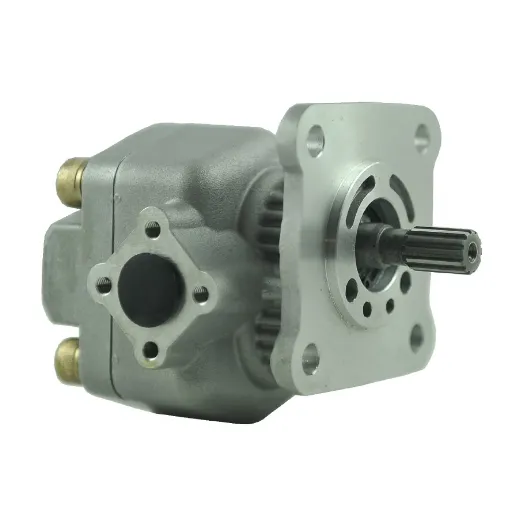
Cold starts deserve special care. Thick oil can slow flow and stress the valve. Let the machine run for a few minutes before demanding full power. That simple habit can reduce wear more than many people realize.
Credit: hydraulicpump-suppliers.com
Final thoughts
Kubota hydraulic valve problems are frustrating, but they are often easier to solve than they first appear. In many cases, the real cause is dirty oil, low fluid, trapped air, or a clogged filter. Even when the valve is the fault, the symptom usually leaves a trail you can follow.
The best approach is simple: check the basics first, watch for pattern changes, and do not rush into part replacement. A clean system, correct oil, and careful inspection solve a large share of hydraulic trouble. If the valve is truly worn, you will usually see clear signs like internal leakage, sticky movement, or one-function failure.
With the right diagnosis, you can restore smooth hydraulic performance and avoid repeat breakdowns.
FAQs
1. What are the most common kubota hydraulic valve problems?
The most common problems are sticking spools, internal leakage, dirty oil, low fluid, air in the system, and worn seals. These issues often cause slow movement, weak lifting, or jerky operation.
2. How do I know if the valve or pump is bad?
If one function is failing but others work normally, the valve is more likely. If all hydraulic functions are weak at the same time, the pump, filter, or supply line may be the real cause.
3. Can dirty hydraulic fluid damage the valve?
Yes. Dirty fluid can scratch the spool, cause sticking, and block small internal passages. It can also shorten seal life and make the whole system wear out faster.
4. Why does my Kubota hydraulic system work better when cold?
That often means there is internal wear. Cold oil is thicker, so it leaks less past worn parts. When the oil gets hot and thinner, weak seals or valve wear can show up more clearly.
5. Should I rebuild or replace a bad hydraulic valve?
Rebuild is worth trying if the damage is small, such as bad seals or light contamination. Replace the valve if the spool or body is badly worn, the same problem keeps returning, or the repair cost is close to a new unit.