
If your mower is turning poorly, feels stiff, or does not steer the way it used to, you are not alone. john deere sst16 steering problems are common enough that many owners face them after years of mowing, heavy use, or simple lack of maintenance. The good news is that many steering issues can be traced to a few parts, and some fixes are simple if you know where to look.
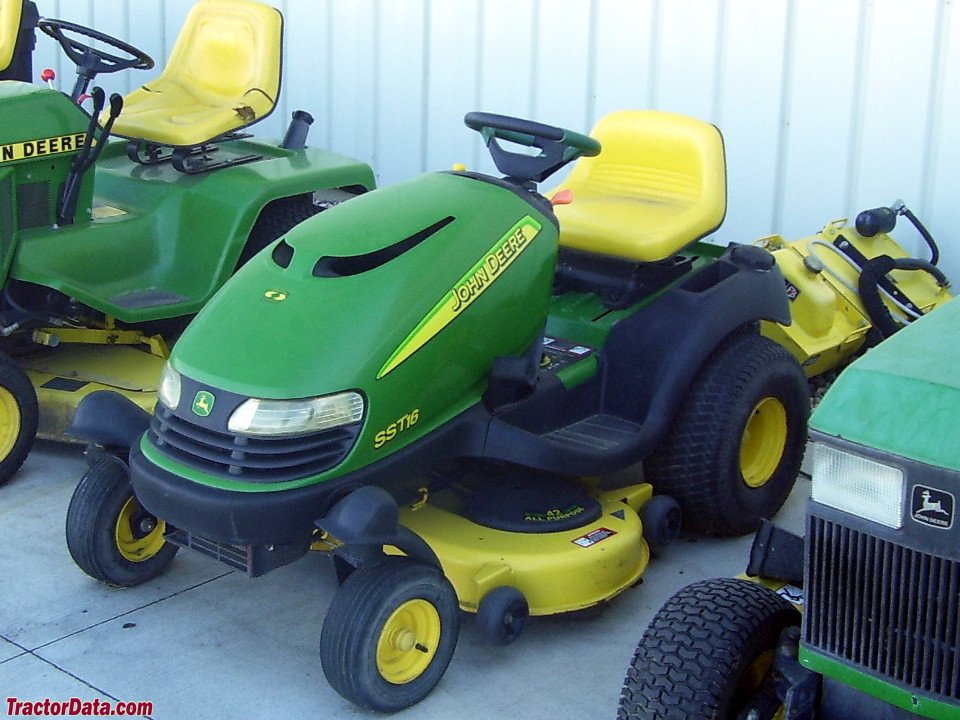
The SST16 is a zero-turn lawn tractor with a steering system that feels different from a standard riding mower. That means small problems can show up as big changes in how it turns, tracks, or responds. In this guide, you will learn the most common causes, how to diagnose them step by step, and which fixes are worth trying before you call for service.
We will keep things practical. You will see what to check first, what parts usually wear out, and which symptoms point to a deeper problem. If you want to solve steering trouble without wasting time or money, this article will help you move in the right direction.
How the SST16 steering system works
Before you try to fix a steering issue, it helps to understand what the mower is doing. The SST16 uses a steering wheel and a transaxle system that helps control direction and turning. This is not the same as simple front-wheel steering on a car. Small parts in the steering linkage, drive system, and control components must all work together.
When everything is in good shape, the mower should turn smoothly, track straight, and respond in a predictable way. When one part wears out or falls out of adjustment, the mower may pull to one side, steer too hard, or fail to turn at all.
One thing many owners miss is that steering problems are not always caused by the steering wheel itself. In many cases, the real problem is in the tires, belts, linkages, or transaxle. That is why a full check is better than replacing a single part too fast.
Common signs of steering trouble
Not every steering issue looks the same. Some problems show up only when the mower is warm. Others appear only on slopes, rough ground, or after the mower has sat unused for a while. These are the most common signs:
- The steering wheel feels very stiff.
- The mower pulls left or right.
- The mower turns, but not smoothly.
- The steering wheel has too much play or slack.
- One wheel responds slower than the other.
- The mower hesitates before moving in the chosen direction.
- The steering feels worse after mowing for some time.
If you notice more than one of these at the same time, the issue may be a mix of wear and adjustment problems. That is common on older machines.
Main causes of john deere sst16 steering problems
1. Low tire pressure or uneven tires
This is one of the simplest causes, but also one of the most overlooked. If one tire has lower pressure than the other, the mower can pull to one side and feel harder to steer. A worn tire can also change how the mower tracks, especially on soft ground.
Check all tires when they are cold. Compare them side by side. Even a small difference can affect steering performance. Also look for cracks, uneven wear, or a tire that is beginning to bulge.
2. Worn steering linkage
The linkage connects your steering input to the mower’s movement. Over time, joints and bushings can loosen or wear out. When this happens, the mower may feel sloppy, delayed, or inconsistent.
This kind of wear often creates a “dead zone” in the steering wheel. You turn the wheel, but the mower does not react right away. That is a strong clue that the linkage should be inspected closely.
3. Loose or damaged steering wheel components
If the wheel itself has too much play, the issue may be in the wheel mount, shaft, or internal steering parts. A loose steering wheel does not always mean a major failure, but it should not be ignored. Small looseness can grow into bigger control problems.
Check for movement in the wheel when the mower is off. If it rocks too much before the mower responds, the steering assembly likely needs attention.
4. Belt wear or belt slip
On many riding mowers and zero-turn style systems, drive belts play a major role in movement and steering response. If a belt is glazed, stretched, cracked, or loose, the mower may not respond as it should. Belt slip can feel like weak steering or delayed turning.
Belts often get worse under load. That means the mower may seem fine on flat ground, then struggle when turning on grass, slopes, or when the machine is warm. This is a useful clue because it points to drive transfer problems rather than wheel alignment alone.
5. Dirty or dry pivot points
Steering systems rely on moving joints. If these points are full of dirt or have lost lubrication, the steering can become stiff and uneven. This is common after long storage or mowing in dusty, wet, or muddy conditions.
Some owners assume stiffness means a bad major part. In reality, dry pivot points can create a lot of resistance. Cleaning and lubricating may solve part of the problem before you spend money on replacements.
6. Transaxle or drive system issues
When steering problems happen along with weak motion, strange noises, or trouble moving forward and backward, the transaxle may be involved. This is more serious than a simple linkage issue. A failing transaxle can make the mower feel as if the steering is broken, even when the steering parts are still intact.
Listen for grinding, whining, or slipping. Also notice whether the mower responds differently when cold versus warm. Heat-related changes can point to internal wear or fluid-related trouble.
7. Frame or mounting damage
If the mower has hit a curb, stump, or hidden object, the frame or mounting points may be bent. Even a small bend can throw off steering geometry. That can cause pulling, poor tracking, or uneven wheel response.
This is one of the non-obvious causes beginners often miss. They keep replacing parts, but the real issue is physical damage to the mower structure. A bent bracket can mimic worn steering parts very well.
Step-by-step troubleshooting process
Work through the mower in a careful order. Start with the easy checks first. You may solve the problem without removing major parts.

Credit: tractordata.com
1. Inspect the tires
Check pressure on all tires and make sure they match the recommended level in the owner’s manual. Look for uneven wear, cuts, or damage. If one tire is much lower than the others, fix that before moving forward.
2. Test steering free play
With the mower off, turn the steering wheel gently left and right. Notice how much movement happens before the mower begins to respond. Too much free play usually means a worn link, loose mount, or worn shaft connection.
3. Look under the mower
Inspect the steering linkage, brackets, and mounting points. Look for loose bolts, rust, bent arms, or broken bushings. Move the parts by hand if safe to do so. Any side-to-side slack is worth noting.
4. Check belt condition
Examine belts for cracks, glazing, fraying, or slack. If a belt has a shiny surface or looks stretched, it may be slipping. That can reduce steering response and drive power.
5. Clean and lubricate moving points
Wipe away dirt and old grease. Apply lubricant to parts that are designed to move and be serviced. Do not grease areas that are supposed to stay dry. Too much grease in the wrong place can attract more dirt.
6. Test the mower on level ground
After checking the basics, run the mower on level ground and test steering at low speed. Make small turns first. Then try a few wider turns. If the problem changes with speed, that tells you something about the source.
7. Watch for heat-related changes
Some steering issues are worse after the mower runs for 20 to 30 minutes. If that happens, suspect belt slip, fluid-related drive trouble, or a component that expands with heat. This is another clue many beginners miss.
What each symptom usually means
The table below can help you connect the symptom with the most likely cause. It is not a perfect diagnosis, but it can save a lot of time.
| Symptom | Most likely cause | What to check first |
|---|---|---|
| Steering wheel feels stiff | Dry joints, dirt buildup, bent linkage | Lubrication points and linkage movement |
| Mower pulls to one side | Tire pressure difference, worn tire, bent frame | Tire pressure and wheel condition |
| Too much steering play | Loose steering shaft or worn linkage | Wheel mount and connecting joints |
| Delayed steering response | Belt slip or worn control parts | Belt condition and free play |
| Steering gets worse when warm | Drive system wear or belt slip | Belts, transaxle response, and heat-related changes |
Fixes that often solve the problem
Credit: tractordata.com
Replace worn belts
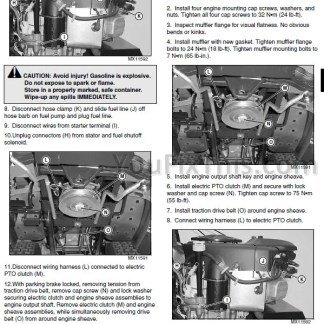
If the belt is cracked, stretched, or glazed, replace it with the correct part number. Do not guess with a similar belt that “almost fits.” On this mower, belt length and tension matter a lot. A wrong belt can create new problems instead of fixing the old one.
Tighten or replace loose hardware
Loose bolts and worn fasteners are easy to ignore, but they matter. Tighten only to proper spec if you have the manual. If a bolt keeps loosening, the hole may be worn or damaged. In that case, the fix may need a new bracket or insert.
Clean and grease moving joints
Use the right cleaner, remove built-up dirt, and lubricate according to the service guide. This can improve steering feel a lot if the problem is mainly friction. Do not force joints that should move freely after cleaning.
Replace worn bushings or linkages
If a part has visible side play, rust damage, or binding, replacement is usually the best choice. Trying to “adjust around” a worn linkage often gives only a short-term fix. New parts restore more accurate steering and reduce strain on other components.
Correct tire issues
Match tire pressure, replace damaged tires, and use the same style and size on each side when required. A mower with mismatched tires may still run, but it will not steer consistently. This is one of the cheapest fixes with the biggest effect.
Inspect for frame damage
If the mower has impact damage, look closely at the frame, axle mounts, and steering brackets. A bent part may need straightening or replacement. Ignoring this can waste money on other parts because the mower will never steer correctly until the base structure is right.
When the issue is more than steering
Some owners think they have a steering problem when the real issue is in the drive system. This matters because steering and movement can feel similar when the mower is not responding well.
For example, if the mower has trouble moving forward, hesitates under load, or makes unusual noises, the transaxle or belt drive may be failing. In that case, steering fixes alone will not solve the root problem.
If you want a general technical reference on mower maintenance and safety practices, the John Deere parts and service resource can help you find proper parts and service information.
Mistakes that make the problem worse
Many steering repairs go wrong because owners jump to the wrong conclusion. These are the most common mistakes:
- Replacing parts before checking tire pressure.
- Using the wrong belt size or type.
- Ignoring small amounts of steering play.
- Forcing stuck parts instead of cleaning them first.
- Overlooking frame or bracket damage after impact.
- Lubricating parts without checking whether they are meant to be greased.
One less obvious mistake is testing the mower only on flat pavement. A mower can feel fine there and still fail on grass or slopes. Always test in real mowing conditions if it is safe to do so.
Preventing future steering trouble
Prevention is much easier than repair. A few simple habits can help reduce john deere sst16 steering problems over time.
Keep tires balanced and properly inflated
Check tire pressure often, not just when something feels wrong. Uneven inflation slowly changes the way the mower handles. This is a small task that prevents a lot of steering complaints.
Clean after muddy or dusty use
Dirt and grass buildup can shorten the life of moving parts. After mowing in tough conditions, clean the underside and the steering area. This helps prevent binding and rust.
Listen for new noises early
Squeaks, clicks, and scraping sounds are often the first warning signs. Do not wait until the mower becomes hard to steer. Early action usually means a cheaper repair.
Inspect after hitting objects
If the mower strikes something solid, check the steering linkage, front area, and mounts right away. Even if it still works, hidden bending can create future alignment issues.
Should you repair it yourself or get help?
Many basic steering checks are safe for a homeowner to do. Tire pressure, visual inspection, cleaning, and some belt checks are straightforward. If the repair involves dismantling steering components, transaxle parts, or structural pieces, it may be better to get help.
A good rule is this: if the mower still has simple wear, you can often handle it. If the mower has broken mounting points, major play in the drive system, or signs of frame damage, a qualified technician may save time and prevent mistakes.
Also, do not keep using the mower if the steering feels unstable. A small problem can turn into a safety issue very quickly, especially on slopes or around obstacles.
Credit: youfixthis.com
Final thoughts
john deere sst16 steering problems usually come down to wear, adjustment, or a hidden issue in the drive system. The best way to solve them is to work from the simplest cause to the more complex ones. Start with tires, belts, and linkages. Then move to lubrication, structure, and transaxle checks if needed.
Most owners can find the root cause by following a careful process instead of guessing. That saves time, lowers repair costs, and helps the mower feel stable again. If you keep up with regular checks, many steering problems can be prevented before they start.
FAQs
1. What is the most common cause of john deere sst16 steering problems?
The most common cause is often something simple, such as uneven tire pressure, worn steering linkage, or a loose component. These issues are easy to miss but can greatly affect how the mower turns and tracks.
2. Why does my SST16 steering feel stiff?
Stiff steering usually comes from dry joints, dirt buildup, bent linkage parts, or lack of lubrication. In some cases, a belt or drive issue can also make the steering feel harder than normal.
3. Can a bad belt cause steering trouble on this mower?
Yes. A worn or slipping belt can reduce drive response and make the mower feel like it has steering problems. If the mower turns poorly only under load or after warming up, the belt should be checked closely.
4. How do I know if the problem is steering or transaxle related?
If the mower also has trouble moving forward, makes unusual noises, or responds poorly in both movement and turning, the transaxle or drive system may be the real issue. Steering-only problems are more likely to involve linkage, tires, or wheel components.
5. Is it safe to keep mowing if the steering is a little loose?
It is better not to ignore loose steering. Small play can quickly get worse and may affect control, especially on slopes or around obstacles. It is safer to inspect and repair the issue before using the mower again.