
If your mower used to throw grass cleanly into the bagger and now it leaves clumps, weak airflow, or random clogging, you are not alone. John Deere power flow bagger problems are common for many owners, especially when grass is wet, the deck is dirty, or a small part is worn out.
The good news is that most of these problems do not mean the bagger is broken. In many cases, the real cause is simple: poor airflow, a blocked chute, belt trouble, or an incorrect mower setup. Once you know where to look, the fix is often faster than you expect.
This guide explains the most common causes, how to troubleshoot them step by step, and what you can do to keep the system working well. You will also learn a few small details many beginners miss, even though those details make a big difference.
Why the bagger stops working the way it should
A John Deere Power Flow bagger depends on strong air movement. The mower deck cuts grass, the blower pulls it through the chute, and the bags collect it. If any part of this chain slows down, the whole system performs badly.
That is why the most common symptoms are usually airflow-related. The bagger may fill slowly, clog often, blow grass back onto the lawn, or leave one bag much fuller than the others. Sometimes the mower seems fine at first, then performance gets worse as the bagger fills up.
One thing many owners miss is that bagging systems are more sensitive than side-discharge mowing. Small issues that you would barely notice without the bagger can become major problems once the airflow path is restricted.
What good performance should look like
When the system is healthy, grass should move smoothly from the deck into the chute and then into the bags with very little buildup. You should hear a steady blower sound, not a straining or whistling noise. The bags should fill evenly, and the chute should stay mostly clear during normal mowing.
If that is not happening, the mower is telling you something important. Do not start by replacing parts. Start by checking the simple causes first.
Common causes of John Deere Power Flow bagger problems
Most issues come from a few basic sources. Understanding them saves time and prevents unnecessary repairs.
1. Wet or tall grass
Wet grass is heavy and sticky. It does not move through the chute as easily, so it clumps inside the deck or blower housing. Very tall grass creates the same effect because the mower must process too much material at once.
If you mow after rain or after skipping several cuts, even a good bagger can struggle. This is not always a machine fault. It is often a mowing condition problem.
2. Clogged deck or chute
Grass buildup under the deck is one of the biggest causes of airflow loss. The same is true for the chute that carries clippings to the bags. A partial clog may not stop the system completely, but it reduces vacuum and makes the bagger work much harder.
Even a thin layer of packed grass can change airflow more than many people expect. That is why cleaning matters more than most owners think.
3. Blower belt slipping or worn
The Power Flow blower uses a belt to spin the impeller. If the belt is loose, glazed, cracked, or worn, the blower loses speed. That means weak suction and poor bagging performance.
A slipping belt often shows up as a high-pitched squeal, a burning smell, or noticeably weaker grass pickup. Sometimes the belt looks okay but still does not grip well enough.
4. Incorrect mower deck height or speed
If you mow too fast, the deck cannot process grass cleanly. If you mow too low or too high for your grass type, clipping flow may also suffer. Deck height and ground speed must match the grass conditions.
This is one of those non-obvious points many beginners miss. The bagger is not just a collection box. It is part of the cutting system. If the cutting speed and travel speed are out of balance, the blower cannot compensate.
5. Dull mower blades
Dull blades tear grass instead of cutting it cleanly. Torn grass is harder to lift and move, so the bagger has to work harder. Dull blades also create more fine debris that can pack together and clog the system.
Many people blame the bagger first, but the real problem is often on the cutting side.
6. Damaged or misaligned chute
If the chute is bent, not seated correctly, or blocked by debris, airflow drops fast. A small gap or bad fit can also let grass leak out before it reaches the bags.
7. Full bags or restricted bag screens
When the bags are too full, air cannot escape properly. Then the blower has to push against rising resistance. Some systems also have screens or fabric areas that can become packed with dust and grass residue.
8. Loose mower-to-bagger fit
The connection between the deck, chute, blower, and bagger frame must be tight. If a mounting point shifts or a seal is not sitting correctly, airflow can escape and bagging performance drops.
How to troubleshoot the system step by step
The best way to solve john deere power flow bagger problems is to check one area at a time. Do not guess. Work from the easiest checks to the deeper ones.
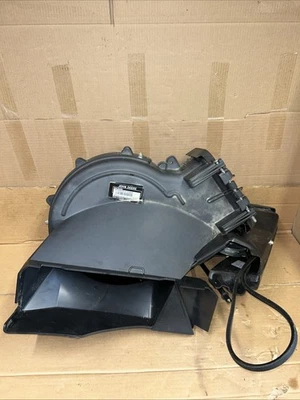
Credit: ebay.com
Step 1: Inspect the grass conditions
Before touching the mower, ask a basic question: is the grass too wet, too tall, or too thick for bagging today? If yes, the machine may be working fine, and the mowing conditions are the real issue.
If possible, mow when grass is dry and not overly long. Cutting no more than one-third of the grass height at a time helps the bagger perform better.
Step 2: Clean the deck thoroughly
Raise the deck safely and remove all grass buildup from underneath. Pay special attention around the discharge area and blade edges. Hardened buildup narrows the air path and reduces lift.
For best results, clean the deck after each mowing session if you use the bagger often. A quick rinse may help, but dried material usually needs scraping.
Step 3: Check the chute for blockages
Remove the chute and inspect it all the way through. Look for wet clumps, leaf packs, sticks, or damaged sections. Even a small obstruction can disrupt airflow.
If the chute is clear but still not performing well, check whether it is seated tightly on both ends. A loose fit can act like a leak in the system.
Step 4: Inspect the belt and pulleys
Look at the blower belt for cracks, glazing, fraying, or stretching. Spin the pulleys by hand when the mower is off and safely secured. They should move smoothly without wobble or rough spots.
If the belt is shiny and hard, it may be slipping even if it is not broken. That is a common mistake to overlook.
Step 5: Check blade condition
Remove the blades and inspect the cutting edge. If the edge is rounded, nicked, or uneven, sharpen or replace the blades. Make sure both blades are installed correctly and securely.
Also check whether the blades are the correct type for your mower. Some setups work better with high-lift blades, especially when using a bagger.
Step 6: Verify bag condition
Look at the bags themselves. If they are packed with dust, moisture, or matted grass, airflow will suffer. Wash or replace damaged bags if needed. Make sure the frame and fabric are not collapsing inward during use.
Step 7: Confirm all parts fit tightly
Walk through the full system: deck, chute, blower, frame, and bags. Every connection should be secure. A loose latch or missing seal can cause surprising performance loss.
Step 8: Test at a slower mowing speed
After cleaning and checking the system, mow a small area at a slower pace. If performance improves, the main issue may have been overload rather than a mechanical failure. If the problem remains, move deeper into the system.
Fixes that often solve the problem quickly
Some fixes are simple but very effective. In many cases, these changes restore good bagging without replacing expensive parts.
Clean more often than you think you need to
If you bag grass regularly, cleaning once in a while is not enough. Build-up happens fast. A clean deck and chute can make an old bagger feel new again.
This is one of the most important practical insights: airflow loss is often gradual. People notice the problem only after performance drops a lot, but the system may have been getting weaker for weeks.
Replace worn belts before they fail
Do not wait for the belt to break. If it looks worn or slips under load, replace it. A fresh belt often restores blower speed and reduces clogging.
Sharpen or replace the blades
Sharp blades are not just for a cleaner cut. They also improve lift and reduce the amount of wet, mashed grass that enters the bagger. If bagging is important to you, blade maintenance is worth the time.
Adjust mowing habits
Sometimes the fix is not mechanical at all. Mow more often, avoid wet grass, and reduce ground speed when the lawn is thick. These changes can prevent most clogging issues.
Use the right deck setup
Make sure your mower is configured for bagging. Some owners switch parts for mulching or side discharge and then forget to return the setup fully. Missing or wrong parts can weaken airflow.
If you are not sure about your exact model setup, check the official manual or support documents from John Deere. A useful starting point is the official John Deere website.
Symptoms, likely causes, and useful fixes
It helps to match the symptom with the most likely cause. This can save a lot of time during troubleshooting.
| Symptom | Likely cause | Best first fix |
|---|---|---|
| Weak grass pickup | Clogged chute, worn belt, dull blades | Clean chute, inspect belt, sharpen blades |
| One bag fills faster than the others | Uneven airflow, partial clog, bag issue | Check chute alignment and bag condition |
| Grass leaking from deck | Blockage, poor seal, mowing too fast | Clean deck and slow down |
| Belt squealing | Slipping or worn belt | Inspect and replace belt if needed |
| Frequent clogging in wet grass | Grass conditions, dull blades, buildup | Mow when dry and clean deck more often |
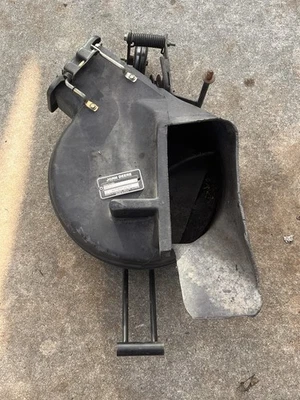
Credit: ebay.com
Common mistakes that make the problem worse
Some repairs fail because the same mistakes keep happening. Avoid these and your results will improve faster.
Ignoring deck buildup
People often clean the chute but forget the underside of the deck. That leaves the main airflow restriction untouched.
Using old blades too long
Many owners keep mowing with dull blades because the lawn still looks “okay.” But bagging performance can fall long before the cut looks terrible.
Mowing too fast in heavy grass
When the mower is overloaded, the blower cannot recover. Slowing down is not a weakness. It is part of using the system correctly.
Skipping belt checks
A belt can degrade slowly, so the loss of performance feels normal until it becomes severe. Regular inspection prevents surprise failures.
Assuming the bagger is the only problem
The bagger is only one part of the system. Cutting quality, deck cleanliness, belt health, and mowing speed all matter. If you focus on only one part, you may miss the real cause.
How to keep the bagger working well all season
Prevention is much easier than repair. A few regular habits can reduce most future problems.
- Clean the deck and chute after use, especially in damp grass.
- Check the belt at the start of the mowing season and again during heavy use.
- Keep blades sharp and balanced.
- Mow dry grass when possible.
- Do not let the bags overfill before emptying them.
- Inspect seals and connection points for wear or loose fit.
Another useful habit is to listen to the mower. A healthy bagger usually sounds steady. If the sound changes, the airflow probably changed too. This gives you an early warning before a full clog happens.
When it is time to replace parts instead of cleaning them
Not every issue can be fixed with cleaning. At some point, parts wear out enough that replacement is the better choice.
Replace the belt if it is cracked, stretched, or slipping after proper adjustment. Replace the blades if they are badly worn or bent. Replace bags if the fabric is torn or the seams are weak. Replace damaged chutes or housings if they no longer fit tightly.
A good rule is simple: if the part affects airflow and no longer holds its shape or tension, it is probably hurting performance more than you think.
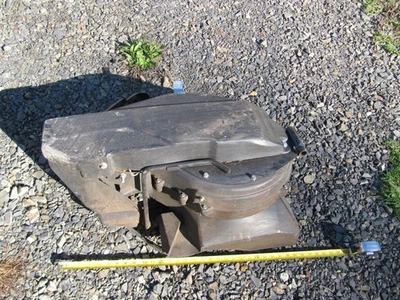
Credit: ebay.com
What beginners often miss about bagging performance
Many new owners think the bagger should handle any lawn condition. It should not. Bagging works best when the mower is set up correctly and the grass is manageable. That is the first thing beginners miss.
The second thing is maintenance timing. People often wait until there is a problem before checking blades, belt tension, or buildup. But bagging systems work best when they are kept clean and sharp all season, not repaired only after failure.
These small habits may seem simple, but they are the difference between constant clogging and smooth operation.
Final thoughts
Most john deere power flow bagger problems come down to airflow. If the deck is dirty, the belt is worn, the blades are dull, or the grass is too wet, the bagger will not perform well. The good news is that these issues are usually easy to diagnose with a careful step-by-step check.
Start with the grass condition, then inspect the deck, chute, belt, blades, and bag fit. Make one change at a time so you can see what actually fixed the issue. With a little routine care, the system can work smoothly for a long time.
FAQs
1. Why does my John Deere Power Flow bagger keep clogging?
Frequent clogging usually comes from wet grass, a dirty deck, dull blades, or a partial blockage in the chute. Start by cleaning the system and mowing when the grass is dry.
2. Can dull blades cause bagger problems?
Yes. Dull blades tear grass instead of cutting it cleanly. That creates poor airflow and makes clogging more likely. Sharp blades help the bagger move clippings more easily.
3. Why is one bag filling faster than the others?
This often means airflow is uneven. The chute may not be seated correctly, one bag may be packed down, or there may be a partial clog inside the system.
4. How often should I clean the Power Flow bagger?
If you use the bagger often, clean the deck and chute after each mowing session. At the very least, inspect and clean them anytime bagging performance starts to drop.
5. When should I replace the belt on my bagger?
Replace the belt if it is cracked, stretched, glazed, or slipping under load. If the blower speed drops even after adjustment, the belt is a strong place to look first.