
If your John Deere L120 starts moving slow, jerks on hills, or stops pulling like it used to, the problem is often inside the transmission system. That can be frustrating, because the mower may still start and run well, yet refuse to drive properly. This is one of the most common complaints owners face after years of use.
The good news is that many john deere l120 transmission problems have clear causes. Some are simple and cheap to fix. Others need more time, better tools, or a replacement part. The key is to understand the symptoms first, then narrow down the real cause instead of guessing.
In this guide, you will learn what usually goes wrong, how to spot the warning signs early, and what fixes actually help. You will also see a few mistakes that many owners make, which can turn a small issue into a bigger repair.
How the L120 drivetrain works
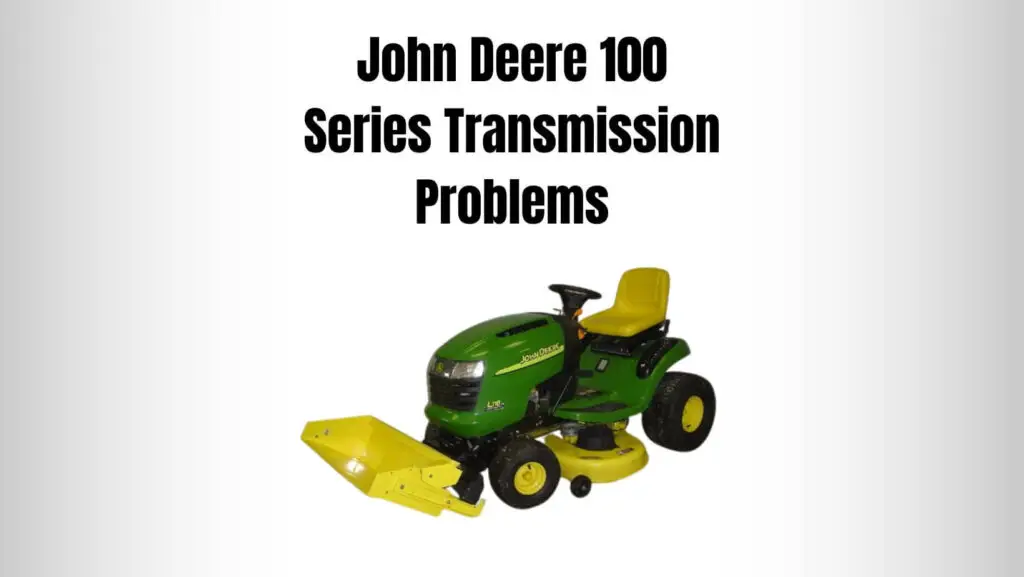
The John Deere L120 uses a hydrostatic transmission, not a manual gear system. That means it moves by using hydraulic pressure instead of shifting gears. When the system is healthy, speed control feels smooth and steady. When something goes wrong, the mower may lose power, creep slowly, or fail to move at all.
This setup has a few important parts. The drive belt connects the engine to the transmission. The motion control system sends your speed and direction command. The hydrostatic unit then converts that input into wheel movement. If any one of these parts weakens, the whole machine can feel bad on the lawn.
One detail many beginners miss is that transmission trouble is not always caused by the transmission itself. A worn belt, bad idler pulley, low fluid condition, or even debris around the linkage can create symptoms that look like internal failure. That is why a careful check matters before buying a new transmission.
Main symptoms to watch for
Most john deere l120 transmission problems show up in the way the mower drives. The engine may sound normal, but the machine feels weak or inconsistent. Some symptoms appear only when the mower gets hot. Others happen all the time.
1. Slow movement
The mower may move much slower than usual, even with the speed control fully forward. This can happen on flat ground or only on slopes. Slow movement is often an early sign of belt slip, weak hydrostatic performance, or internal wear.
2. Jerking or surging
If the mower lurches instead of moving smoothly, the problem may be a worn drive belt, sticking linkage, or internal transmission wear. Surging can also happen when the mower is overloaded or the system is struggling to build steady pressure.
3. Loss of drive after warming up
Some L120 tractors work fine for the first 10 to 20 minutes, then become weak. This pattern often points to a hydrostatic unit that is worn or running too hot. It can also happen if the belt slips more once heat builds up.
4. No movement in forward or reverse
If the engine runs but the mower does not move, the issue may be a broken belt, a disconnected linkage, or a failed transmission. Before assuming the worst, check whether the belt is turning and whether the motion control system is actually engaging.
5. Loud whining or grinding sounds
Unusual noise from the rear of the mower is a warning sign. A light whine can be normal on some hydrostatic units, but a sudden change in sound usually means trouble. Grinding, squealing, or harsh whining may signal internal damage or severe belt wear.
Common causes behind drive failure
Several different issues can create john deere l120 transmission problems. Some are mechanical and easy to see. Others are hidden inside the transmission housing. The best approach is to start with the simple checks first.
Worn or stretched drive belt
The drive belt is one of the first things to inspect. Over time, belts stretch, glaze, crack, or lose tension. When that happens, the belt slips under load and the mower loses pulling power. A belt can look fine at a glance and still be weak enough to cause trouble.
Here is a non-obvious point many owners miss: a belt may fail only under pressure, not at idle. That means the mower can seem okay when lifted or parked, but act badly once weight and resistance are added on the grass.
Idler pulley or tensioner problems
If the pulley does not spin freely, or if the spring tension is weak, the belt cannot stay tight. A dragging pulley creates heat and extra wear. In many cases, people replace the belt and still have the same problem because the pulley system was the real issue.
Damaged linkage or control rod
The motion control linkage tells the transmission when to move forward or reverse. If that linkage is bent, loose, or stuck with debris, the command is not sent properly. This can create a dead zone where the mower seems unresponsive.
Low or old transmission fluid
Some hydrostatic units in tractors can lose performance if fluid is low, dirty, or broken down by age. Heat builds up faster, pressure drops, and the mower struggles. Fluid issues often become worse after long mowing sessions or in hot weather.
Internal hydrostatic wear
Inside the transmission, seals, pumps, and moving parts can wear out after long use. When this happens, the unit may still operate, but it cannot hold proper pressure. That leads to weak drive, poor hill climbing, or complete loss of movement.
Overheating from grass buildup or heavy use
Blocked cooling areas and packed grass around the transaxle can trap heat. A hot transmission loses efficiency fast. Heavy towing, steep slopes, or mowing thick grass for long periods can also push the unit beyond what it can comfortably handle.
Simple checks before you remove parts
Before you take the tractor apart, start with a short inspection. These checks can save time and prevent unnecessary replacement parts. They also help you separate a simple external issue from a true internal failure.
- Check belt condition. Look for cracks, shine, fraying, or loose fit.
- Inspect pulleys. Spin them by hand if accessible. They should move smoothly.
- Look under the mower. Remove grass, sticks, and debris near the belt and transmission area.
- Test forward and reverse. Note whether the problem happens in both directions or only one.
- Watch for heat-related failure. See if the mower performs worse after warming up.
If the mower barely moves when cold, and even less when hot, the transmission itself may be worn. If it works better after belt adjustment or cleaning, the fix may be much simpler.
Credit: lawnmowerly.com
Table of likely causes and what they usually mean
| Symptom | Most likely cause | What to check first |
|---|---|---|
| Slow driving | Worn belt or weak hydrostatic unit | Belt tension, pulley condition |
| Jerking motion | Loose linkage or slipping belt | Linkage movement, belt wear |
| No movement | Broken belt or failed transmission | Belt continuity, drive engagement |
| Works cold, fails hot | Heat-related hydrostatic wear | Cooling area, fluid condition if applicable |
| Whining noise | Belt slip or internal wear | Pulleys, belt glazing, transmission sound |
Fixes that often solve the problem
Not every transmission issue needs a full replacement. In many cases, a few focused repairs bring the mower back to useful condition. Start with the easiest fix and move toward the deeper ones only if needed.
Replace a worn drive belt
If the belt is old, stretched, or glazed, replace it with the correct OEM-style part. Using the wrong size or a cheap low-quality belt can create the same problem again very quickly. Make sure the belt path is correct and that it sits fully in each pulley groove.
Clean and inspect pulleys
Dust, grass, and rust can make pulleys work poorly. Clean them carefully and check for rough spinning or side play. A pulley that wobbles or binds can destroy a new belt, so do not skip this step.
Adjust or repair the linkage
If the control lever does not move the transmission as it should, adjust the linkage to restore full range. Replace bent or damaged rods. Even a small bend can reduce travel enough to cause weak forward or reverse motion.
Check transmission fluid condition
If your setup allows fluid service, inspect the condition and level according to the service manual. Old or contaminated fluid can reduce performance. For exact fluid guidance, always follow the official service information from John Deere.
Improve cooling around the transaxle
Remove grass buildup, clear air passages, and keep the underside clean. If the mower is used in heavy conditions, make sure the cooling path is not blocked. Heat is a hidden enemy of hydrostatic systems.
Replace a failing hydrostatic transmission
If the unit still loses power after the external parts are confirmed good, the transmission may be worn internally. In that case, replacement is often the most practical choice. Internal repair is usually not cost-effective for most owners unless they have advanced mechanical skill.
When the transmission is not the real problem
Many owners focus on the transmission too soon. That can lead to wasted money. Some symptoms come from other parts of the mower, even when the tractor feels like it has a transmission fault.

Credit: newurbanfarmers.org
Engine power loss
If the engine is not making full power, the mower may drive weakly because the transmission is not getting enough input. A dirty air filter, fuel problem, or failing spark system can reduce drive performance even though the transmission itself is okay.
Brake or safety switch issues
Interlock systems can prevent proper movement if a switch is not working right. If the mower behaves strangely after a seat switch, brake switch, or neutral switch issue, the drive system may be fine but not fully enabled.
Tire pressure mismatch
Low tire pressure in one or both drive wheels can make the tractor pull poorly or feel uneven. This is easy to miss, but it can change how the mower responds on slopes and soft ground.
Another beginner mistake is testing the mower on wet grass or a steep incline and assuming the transmission has failed. The L120 can struggle under high load even when it is still usable. A fair test should be done on dry, level ground first.
Repair or replace: how to decide
If the mower only has a worn belt or pulley issue, repair is usually worth it. If the hydrostatic unit has clear internal wear, the decision becomes more about age, budget, and how often you use the machine.
As a rule, repair makes sense when the cost is modest and the tractor has been reliable otherwise. Replacement makes more sense when the transmission is weak in both directions, gets worse when hot, and already has many years of use. If multiple expensive parts are needed, the total repair bill may approach the value of the mower itself.
Good signs for repair
- The belt is clearly worn or damaged.
- The pulley system is noisy or stiff.
- The linkage is loose, bent, or out of adjustment.
- The mower recently started having problems after maintenance or debris buildup.
Good signs for replacement
- The mower drives weakly even after belt and linkage checks.
- It fails more as the unit heats up.
- Forward and reverse are both weak.
- The transmission makes harsh internal noise.
How to prevent future transmission trouble
Good maintenance can greatly reduce the chance of repeat problems. That matters because many transmission failures start small. A belt that runs a little loose today can become a bigger issue next season.
Keep the underside of the tractor clean. Replace belts before they are fully worn out. Check pulleys and linkage at least once each season. Do not tow more than the mower was designed to handle. Also avoid pushing the machine hard in deep grass for long periods without rest.
One less obvious tip: store the mower where it stays dry. Moisture can help rust build on pulleys, linkages, and exposed hardware. That extra drag slowly reduces efficiency and adds strain to the drive system.
Credit: mrmotorproblems.com
Final thoughts
Most john deere l120 transmission problems begin with wear, heat, or a part outside the transmission itself. That is why a careful step-by-step inspection is the smartest approach. Start with the belt, pulleys, and linkage. Then look at cooling, fluid condition, and overall drive behavior.
If the mower only needs a simple part, you can often fix it without major expense. If the hydrostatic unit is worn inside, replacement may be the only real answer. Either way, early diagnosis saves time, money, and frustration.
FAQs
1. What are the most common signs of John Deere L120 transmission problems?
The most common signs are slow movement, jerking, weak hill climbing, loss of drive after warming up, and unusual whining sounds. These symptoms often point to belt wear, pulley trouble, or internal hydrostatic wear.
2. Can a worn belt cause the mower to stop moving?
Yes. A badly worn, stretched, or broken drive belt can stop power from reaching the transmission. Even a belt that looks only slightly damaged can slip enough to cause poor drive performance.
3. Why does my L120 drive better when it is cold?
This usually means the problem gets worse with heat. A weak hydrostatic unit, slipping belt, or poor cooling can cause the mower to lose drive after it warms up. Heat makes worn parts fail faster.
4. Is it worth repairing the transmission on an L120?
It depends on the cause. If the issue is a belt, pulley, or linkage, repair is usually worth it. If the transmission has internal wear, replacement may be more practical than rebuilding.
5. How can I prevent future transmission issues?
Keep the mower clean, check belt wear often, inspect pulleys and linkage each season, and avoid overloading the tractor. Regular maintenance helps reduce heat and wear, which are two major causes of drive problems.