
The John Deere 7130 is a strong and reliable tractor, but like any machine, it can develop problems over time. Some issues are small and easy to fix. Others can affect daily work, fuel use, comfort, or even engine life if they are ignored.
If you own this tractor, or you are thinking about buying one, it helps to know the john deere 7130 problems that show up most often. Many of them have simple causes, and some are linked to wear, poor maintenance, or small faults in sensors and hydraulic parts. The good news is that a lot of these issues can be handled early before they turn into expensive repairs.
In this guide, you will learn the most common issues, why they happen, how to spot the warning signs, and what fixes usually work best. The goal is simple: help you keep the tractor working well, reduce downtime, and make better repair decisions.
For nearby Deere tractor troubleshooting, compare this guide with John Deere 4240 problems, John Deere 5420 problems, and John Deere 870 problems. These related checks help separate fuel, PTO, hydraulic, cooling, and electrical symptoms before replacing parts.
What usually goes wrong on a John Deere 7130
Most john deere 7130 problems fall into a few main groups: engine trouble, transmission issues, hydraulic faults, electrical glitches, and cooling system wear. That is useful to know, because the same symptom can come from different causes. For example, low power may be caused by fuel restriction, a sensor fault, or a transmission issue. If you only guess, you can waste time and money.
The tractor is part of the 7030 Premium series, so it is built with modern systems that improve comfort and performance. But those same systems also mean more sensors, valves, wiring, and control modules. A small fault in one area can cause a bigger problem in another. That is why careful diagnosis matters.
One thing many owners miss is that a tractor may still “work” even when a part is failing. It may start slower, shift a little rough, or run warmer than normal. These early signs are easy to ignore, but they often point to a problem that will grow over time.
Engine issues and what causes them
John Deere 7130 clatter or knocking noise
A John Deere 7130 clatter can come from low oil level, injector noise, loose shields, worn belt components, fan contact, hydraulic pump noise, or engine knock under load. Do not assume every clatter is an internal engine failure. First check oil level, coolant temperature, loose panels, belt pulleys, fan clearance, and whether the noise changes when the clutch, PTO, hydraulics, or engine speed changes.
Engine problems are some of the most common concerns with the John Deere 7130. They can show up as hard starting, low power, rough running, smoke, or higher fuel use. In many cases, the engine itself is not the main problem. Instead, the cause is fuel supply, air flow, or a sensor that gives the wrong signal.
Hard starting
If the engine cranks for a long time before starting, check the battery first. Weak batteries, loose terminals, or corroded cable ends can reduce cranking speed. Cold weather makes this worse. After that, inspect the fuel system. A clogged fuel filter, air in the fuel lines, or weak fuel delivery can also cause hard starting.
Another common cause is poor glow plug or intake heater performance in cold conditions. If the tractor starts better once it is warm, the issue may be tied to cold-start support rather than deep engine wear.
Low power under load
Low power is one of the most frustrating john deere 7130 problems because it affects field work directly. The tractor may feel fine at idle, but struggle under heavy load. This often points to restricted fuel flow, dirty air filters, turbocharger problems, or a sensor fault that limits engine output.
Do not overlook the air filter. A dirty air filter can quietly reduce power and make the engine smoke more than usual. Also, if the tractor has not had regular fuel filter changes, water or dirt in the fuel can limit injection performance.
Excess smoke
Black smoke usually means too much fuel or too little air. White smoke can point to incomplete combustion, cold fuel, water in fuel, or injector issues. Blue smoke often suggests oil burning inside the engine. The color matters because it narrows the cause quickly.
One non-obvious point: a tractor that works harder than normal because of a draggy transmission or hydraulic load may also smoke more. So the smoke may not start in the engine at all. That is why the whole machine should be checked, not only the engine.
Engine overheating
Overheating can damage seals, reduce engine life, and stop the tractor during work. Common causes include a blocked radiator, dirty cooling fins, low coolant, worn thermostat, failed water pump, or a damaged fan drive. Dust, chaff, and crop debris can build up faster than many owners expect.
Cleaning the radiator screen and front grille regularly is one of the simplest ways to prevent this issue. If the tractor works in dusty fields, cooling system checks should be done more often than the basic service schedule suggests.
Transmission and shifting problems
The John Deere 7130 often uses a PowerQuad or AutoQuad transmission, depending on the setup. These systems are reliable when maintained well, but they can develop shifting issues, delayed response, or noisy gear changes if oil condition or control parts begin to fail.
Rough or delayed shifting
When shifts become harsh or slow, the cause may be low hydraulic oil, contaminated oil, weak clutch pressure, or an electronic control issue. Sometimes the transmission feels worse when the tractor is cold, then improves after warming up. That can point to oil condition or pressure response problems.
If a shift only fails in one range or one direction, the problem may be more specific than the whole transmission. A bad sensor, worn solenoid, or internal clutch pack issue could be involved. It is better to diagnose the exact condition than replace parts blindly.
Gear slipping or loss of drive
Gear slipping is more serious. It can mean internal wear, low pressure, or a failing clutch pack. If the tractor seems to lose drive under load, stop using it heavily until the cause is found. Continuing to run it this way can create more damage inside the transmission.
Fresh oil matters more than many owners think. Old or incorrect oil can change hydraulic pressure and shift timing. Always use the correct specification for this model, not just any oil that “looks close enough.”
Warning lights or transmission fault codes
Modern tractors often protect themselves by limiting function when a fault is detected. If a warning light appears, treat it as useful information, not just a nuisance. Fault codes can point to pressure sensors, speed sensors, solenoids, or wiring issues.
For diagnostic help, the John Deere service support page can be useful for finding official service options and maintenance guidance.
Hydraulic faults that affect performance
Hydraulic issues are another major area of john deere 7130 problems. The tractor depends on hydraulic power for steering, hitch operation, remote valves, and other functions. When hydraulic pressure drops, many parts of the machine may feel weak or slow at the same time.
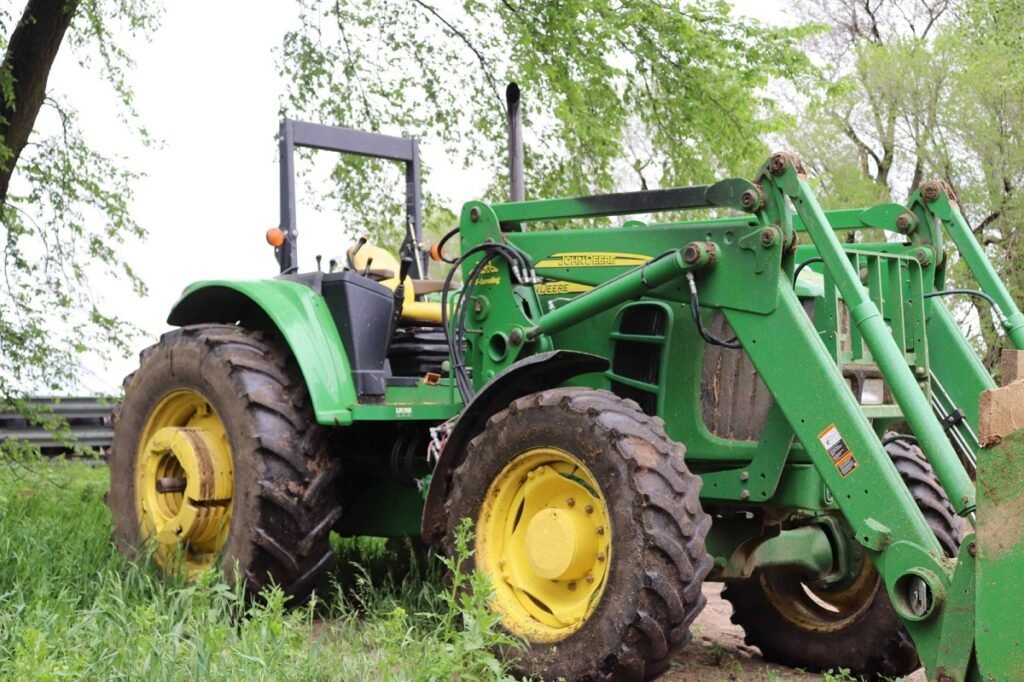
Credit: backyardcorner.com
Weak hitch lift
If the rear hitch lifts slowly, stops partway, or cannot hold a load properly, the problem may be low hydraulic pressure, a worn pump, internal leakage, or control valve wear. Sometimes the hitch arms look fine, but the problem is hidden inside the system.
Check the hydraulic oil level first. Then inspect the oil for contamination. Milky oil can mean water entry. Dark or burnt-smelling oil may show overheating or wear. Both can affect lift performance.
Slow remote hydraulic response
Remote valves that respond slowly may point to dirty oil, a weak pump, or a valve issue. If one remote is weak while the others work normally, the problem may be inside that valve rather than in the whole hydraulic system.
A useful habit is to note whether the problem is constant or only happens when the tractor is hot. Heat-related hydraulic weakness often suggests internal wear or pressure loss rather than a simple blockage.
Noisy hydraulic pump
A whining or growling pump is often a sign of air in the system, low oil, restriction at the inlet, or pump wear. Do not ignore pump noise. A pump that runs loudly for long periods may fail sooner and can spread wear to other hydraulic parts.
Good hydraulic habits that prevent damage
- Check oil level before heavy work.
- Replace filters on time.
- Use the correct oil grade.
- Keep dirt out during service.
- Watch for leaks at hoses, fittings, and seals.
Electrical and sensor problems
Electrical faults can be hard to diagnose because they often look like bigger mechanical problems. A sensor can fail, a wire can break inside its cover, or a connector can corrode. Then the tractor may act as if a major component has failed, even when the real issue is small.
Dead battery or charging trouble
If the tractor keeps losing battery power, check for a weak alternator, loose belt, bad ground, or parasitic draw when the machine is parked. Battery problems are common, but repeated battery failure usually means something deeper is wrong.
Clean battery terminals are important, but they are not the full answer. A battery can look fine and still fail under load. Testing it with a proper load check is better than guessing.
Intermittent warning lights
Random warning lights often come from loose connectors, moisture in plugs, or damaged wiring near moving parts. Vibration can slowly damage wires near the frame, engine, or cab area. If a light comes and goes with bumps or engine movement, suspect a connection problem first.
Dashboard or control issues
If the display behaves strangely, some settings may be lost, or the tractor may not react to certain commands, the fault may be in the controller, fuse, relay, or wiring. Sometimes the actual failure is simple. A blown fuse or loose relay can create a problem that feels much bigger than it is.
One detail people often miss is ground quality. Poor grounding can cause many strange electrical symptoms at once. A weak ground can make sensors read poorly, lights flicker, or the display reset without warning.
Cooling and heat-related problems
Heat issues are dangerous because they can damage the engine, transmission oil, and hydraulic system over time. The John Deere 7130 can run hot if airflow is blocked or if cooling parts are not doing their job well.
Dirty radiator and blocked airflow
This is one of the easiest issues to prevent. Crop dust, chaff, and grime can block airflow through the cooling pack. Even if the machine looks only a little dirty from the outside, the inner fins may be packed with debris.
Cleaning should be done carefully. Use air or low-pressure cleaning methods where possible. High-pressure washing can push dirt deeper into the fins or damage delicate cooling parts.
Coolant loss
Repeated coolant loss may come from a leaking hose, cap, water pump, thermostat housing, or a small crack in the system. Do not keep topping up coolant without finding the source. A hidden leak often gets worse with pressure and heat.
Fan or thermostat failure
If the tractor warms up too fast or never seems to reach proper temperature, the thermostat may be stuck. If it overheats at load, the fan system may not be pulling enough air. These parts are small, but they control a lot of heat management.
Cab comfort and operator complaints
Not every problem affects engine performance. Some of the most common complaints are about comfort, and they still matter because they affect productivity and fatigue.
Air conditioning not cooling well
A weak AC system may have low refrigerant, a blocked condenser, a failing compressor, or airflow restriction. Since tractors work in hot, dusty conditions, condenser cleaning is important. A dirty condenser can make the AC feel weak even when the system is still technically full of refrigerant.
Noisy cab or vibration
Cab noise or vibration can come from loose panels, worn mounts, tired seat suspension, or driveline imbalance. These issues may seem minor, but over long work hours they become tiring. They can also signal a part that is wearing faster than normal.
Seat and control wear
Seat problems, sticky switches, or worn levers are often ignored until they become annoying. But a worn control may affect precise operation. Replacing small cab parts early can improve both comfort and safety.
Common causes behind many John Deere 7130 problems
It helps to look beyond the symptom and understand why these issues appear. Many faults share the same root causes. That makes good maintenance the best long-term fix.
| Common cause | What it can affect | What to check first |
|---|---|---|
| Dirty filters | Engine power, hydraulics, fuel delivery | Air filter, fuel filter, hydraulic filter |
| Old or wrong oil | Transmission, hydraulics, shifting | Oil type, service interval, contamination |
| Loose wiring or bad grounds | Dashboard, sensors, warning lights | Battery terminals, connectors, fuse box |
| Cooling system blockage | Overheating, AC performance, engine wear | Radiator, screens, condenser, coolant level |
| Wear from age and hours | Pumps, clutches, seals, switches | Oil condition, pressure checks, leak points |
Two important insights often missed by beginners:
- One fault can create several symptoms. A bad hydraulic pump may cause slow hitch response, odd transmission behavior, and extra engine load at the same time.
- Heat makes hidden problems show up. A tractor may seem fine in the morning but fail later in the day because oil thins out, connectors expand, or sensors drift.
How to diagnose problems without wasting money
Good diagnosis saves more money than fast parts replacement. Start with the simplest checks first, then move to more detailed testing. This is the safest way to handle john deere 7130 problems without guessing.
- Write down the symptom clearly. Note when it happens, what the tractor was doing, and whether it happens hot or cold.
- Check service basics first. Fuel level, oil level, coolant level, filters, and battery condition should always be the starting point.
- Look for leaks, loose wires, damaged hoses, and dirty connectors.
- See if the problem appears in one condition only, such as high load, idle, or after warming up.
- Use fault codes if the tractor has them. They can point you in the right direction.
- If the problem involves pressure or internal wear, use proper testing tools instead of replacing parts at random.
One smart habit is to fix small issues as soon as they appear. A minor leak, a slightly dirty filter, or a weak battery can be easy to ignore. But once several small issues pile up, the tractor can start to fail in ways that are much harder to trace.
Preventive maintenance that keeps the tractor dependable
The best way to reduce repair bills is regular maintenance. The John Deere 7130 is a capable machine, but it rewards care. If it is used in heavy field work, dusty conditions, or long operating hours, service intervals may need closer attention than the minimum schedule.
- Change engine oil and filters on time.
- Replace fuel filters before they become a restriction.
- Keep the cooling system clean.
- Inspect hydraulic oil and filters regularly.
- Check battery health and cable condition.
- Watch for early leaks around seals, hoses, and fittings.
- Store the tractor in a dry place when possible.
Do not wait for a warning light to act. Some of the most expensive repairs begin as small service misses. For example, a missed air filter change can lead to power loss, more fuel use, and extra wear over time. That is a slow problem, not a sudden one, which is why it gets overlooked.
When to call a mechanic
Some problems are safe for an owner to inspect. Others should be handled by a trained mechanic, especially if they involve transmission pressure, internal hydraulic faults, or electrical control modules. If the tractor is slipping, losing drive, overheating badly, or showing repeated fault codes, do not keep working it hard.
Call for help sooner if you notice:
- Metal in the oil or filter
- Repeated loss of hydraulic pressure
- Strong burning smell from transmission or hydraulics
- Severe overheating
- Electrical faults that come back after basic checks
Getting the right help early can protect major components. That matters more than saving a small amount on an initial inspection.
Final thoughts
The John Deere 7130 is a dependable tractor, but it is not free from wear, faults, or system failures. Most issues can be traced to a limited set of causes: dirty filters, old oil, cooling blockage, wiring problems, sensor faults, or normal age-related wear. Once you understand those patterns, diagnosis becomes much easier.
The best approach is simple: listen for early signs, inspect the basics often, and act before a small issue becomes a major repair. That is the easiest way to reduce downtime and keep the tractor useful for a long time.
FAQs
1. What are the most common john deere 7130 problems?
The most common issues are hard starting, low engine power, rough shifting, hydraulic weakness, electrical warning lights, and overheating. Many of these come from filters, oil condition, sensors, or wiring rather than major engine damage.
2. Why does my John Deere 7130 lose power under load?
Power loss under load is often caused by a dirty air filter, fuel restriction, turbocharger trouble, or a sensor issue. It can also happen if the hydraulic or transmission system is adding extra drag to the engine.
3. Can a bad battery cause several problems at once?
Yes. A weak battery can affect starting, dashboard behavior, charging performance, and even sensor readings. If the battery or charging system is weak, several symptoms may appear together.
4. How often should I check the cooling system?
Check it often, especially during heavy work or dusty conditions. At minimum, inspect coolant level, radiator cleanliness, and airflow before busy seasons. If the tractor runs hot, check it much more often.
5. When should I stop using the tractor and call a mechanic?
Stop using it hard if you notice slipping gears, major overheating, metal in the oil, loss of hydraulic pressure, or repeated fault codes. These signs can mean serious damage is starting, and continued use may make it worse.