
If you own this tractor, you already know it is a strong machine with a long working life. But like any older diesel tractor, it can develop small faults that grow into bigger problems if you ignore them. Many owners search for john deere 4240 problems only after the tractor starts hard, runs rough, loses hydraulics, or shifts badly.
The good news is that most issues on this model have clear causes. Some are simple, like dirty filters or weak batteries. Others come from wear in the clutch, hydraulic system, or electrical parts. If you know what to look for, you can save time, money, and a lot of stress in the field.
This guide explains the most common trouble areas, why they happen, and how to fix them in a practical way. It also shows warning signs that many beginners miss, so you can catch problems early before they stop work.
What usually goes wrong on a 4240
The John Deere 4240 is known for durability, but age changes everything. Most tractors in this range are decades old now, so wear is normal. The biggest issues usually come from a few systems: engine starting, cooling, transmission, hydraulics, electrical wiring, and the Power Shift or clutch components.
One important thing many owners overlook is that intermittent problems are often electrical, while steady performance loss is often mechanical. For example, if the tractor sometimes starts and sometimes does not, look at cables, switches, or grounds first. If it always runs hot, the problem is more likely cooling flow, fan condition, or a clogged radiator.
Another useful clue is when a fault gets worse under load. A tractor that seems fine sitting still but fails when pulling a heavy implement often has a weak fuel supply, slipping clutch, or hydraulic pressure issue. That pattern can save you from replacing the wrong part.
| Symptom | Likely area | Common cause |
|---|---|---|
| Hard starting | Electrical / fuel | Weak battery, bad cables, air in fuel |
| Low hydraulic power | Hydraulics | Low oil, worn pump, dirty filter |
| Overheating | Cooling system | Dirty radiator, bad thermostat, low coolant |
| Shifting problems | Transmission / clutch | Worn linkage, clutch wear, internal pressure loss |
| Dead gauges or lights | Electrical | Bad grounds, worn switches, damaged wiring |
John Deere 4240 hard to start or rough running
One of the most common john deere 4240 problems is poor starting, especially in cool weather. If your John Deere 4240 is hard to start, focus first on cranking speed, clean fuel delivery, and air leaks before replacing expensive parts. Older diesel engines need strong battery power and steady fuel flow; if the engine turns slowly, it may not fire even if everything else is fine.
Common causes
- Weak battery or aging batteries
- Loose or corroded cable ends
- Poor ground connection
- Air in the fuel system
- Clogged fuel filters or restricted fuel flow
- Weak fuel transfer pump or injection pump wear
- Failing glow or intake aid system, if equipped
- Worn starter motor
Many owners replace filters and still have the same problem because the real issue is air leakage on the suction side of the fuel system. Small cracks in hoses, loose clamps, or aging seals can let air in without leaking much fuel out. That makes diagnosis harder.
Fixes that usually help
- Test battery voltage under load, not only at rest.
- Clean both ends of the battery cables and check the frame ground.
- Replace old fuel filters and bleed the system carefully.
- Inspect fuel lines for cracks, wet spots, or loose fittings.
- Check starter speed. A slow crank often points to starter wear or cable loss.
If the engine starts but runs unevenly, look at fuel flow and injector condition. Dirty fuel can cause a rough idle, power loss, and smoke. Water in the tank is another hidden problem. It often appears after storage or after fueling from dirty containers.
For a no-start complaint, separate a slow-crank problem from a fuel problem. A weak starter, bad ground, or tired battery usually makes the engine turn slowly. A fuel-side issue often cranks normally but takes too long to fire, smokes, or starts and dies.
A simple starting test
Watch the starter sound. A healthy system cranks strongly and evenly. A weak system sounds slow, heavy, or uneven. That small sound clue is often more useful than guessing at parts.
Overheating and cooling system trouble
Heat is hard on any tractor engine. If the temperature climbs too high, the damage can be serious. Head gasket failure, warped parts, and oil breakdown are all possible if overheating keeps happening.
On the 4240, overheating is often caused by basic maintenance neglect rather than a major engine fault. That is encouraging, because many fixes are straightforward.
What to check first
- Radiator fins packed with dust, chaff, or crop trash
- Low coolant level
- Worn fan belt or weak belt tension
- Blocked airflow around the radiator
- Bad thermostat
- Water pump wear
- Old coolant with poor heat transfer
A dirty radiator is one of the easiest problems to miss. From the outside, it may not look bad. But dust can build between the fins where you cannot see it quickly. Use low pressure air or water, and clean in the correct direction so you do not push dirt deeper.
Another overlooked issue is the fan shroud or belt setup. If airflow is weak, the engine may run hot only when working hard. That can look like a fuel problem, but it is really a cooling problem.
How to fix overheating
- Clean the radiator and oil cooler carefully.
- Check coolant level and mix ratio.
- Inspect the fan belt for cracks, glazing, or slack.
- Replace the thermostat if the tractor heats up too fast or too often.
- Test for water pump play or leakage.
If the tractor overheats only under load, do not assume the engine is “just old.” That pattern often means airflow is weak, the radiator is partially blocked, or the thermostat is not opening fully. These are very different from internal engine wear.
Hydraulic problems and weak implement lift
Hydraulic trouble can make a good tractor feel tired. Slow loader movement, weak three-point lift, or poor remote performance are all common signs. On older tractors, the system may still work but feel lazy or uneven.
The hydraulic system depends on clean oil, proper pressure, and good pump condition. If any one of those is weak, the whole system suffers.
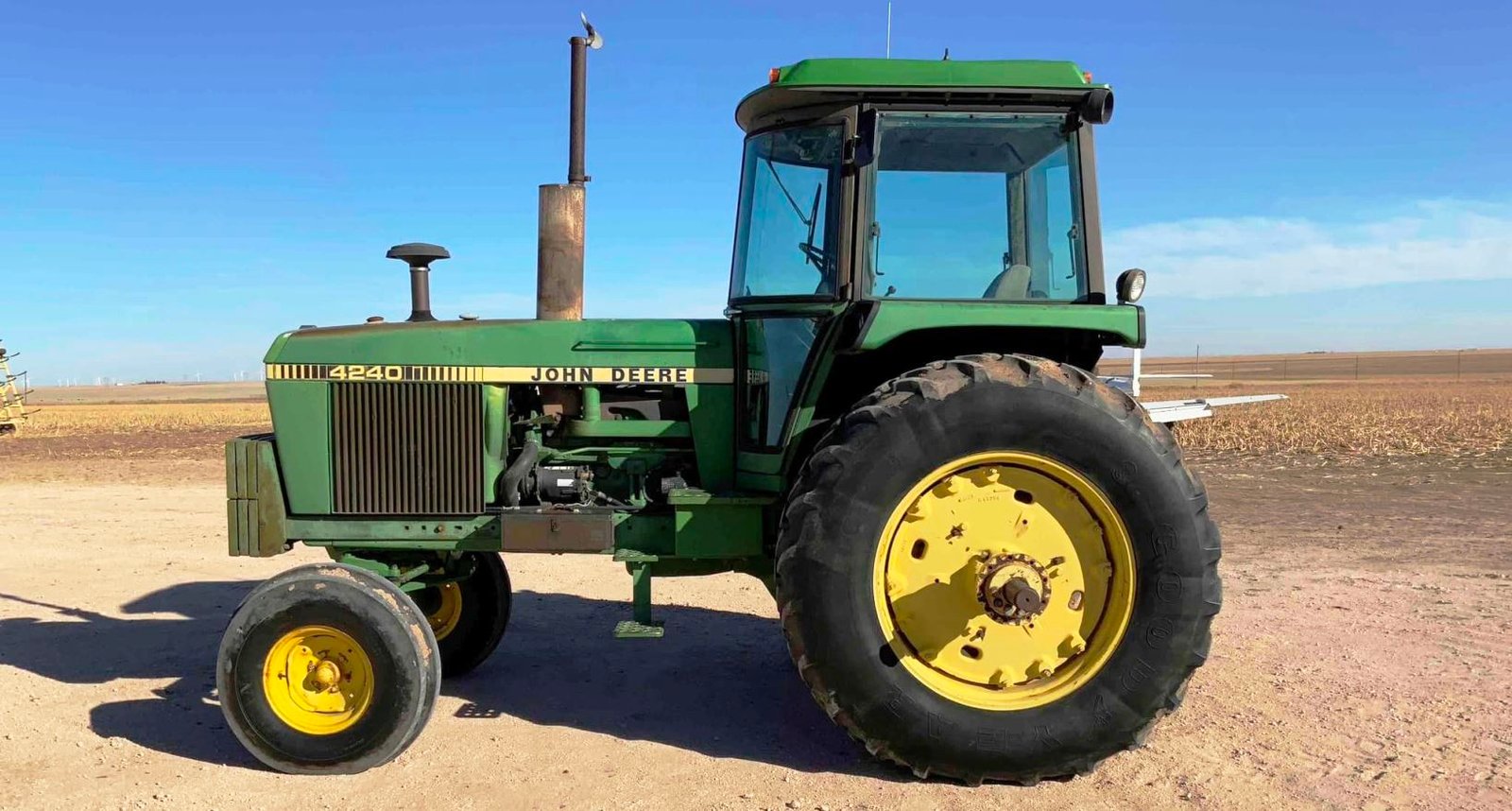
Credit: tractor.info
Main causes of weak hydraulics
- Low hydraulic oil level
- Wrong oil type
- Clogged hydraulic filter or screen
- Air in the hydraulic system
- Worn hydraulic pump
- Internal leakage in valves or cylinders
- Relief valve issues
One non-obvious point: oil can look full but still be a problem if it is dirty or badly worn. Old oil loses performance. It may foam, heat up faster, and reduce pressure. That is why maintenance history matters as much as the dipstick reading.
Practical fix steps
- Check the oil level on level ground.
- Confirm the correct fluid type for the tractor.
- Replace clogged filters and clean suction screens if present.
- Inspect for leaks around hoses, couplers, and seals.
- Test hydraulic pressure if the lift remains weak.
If the hydraulics are slow only when the tractor is hot, that can point to pump wear or internal leakage. A weak system often gets worse after long work periods because thin hot oil exposes worn parts more clearly.
For reference on safe maintenance and parts support, it can help to review official documentation from John Deere.
Transmission and shifting issues
Shifting trouble is another area that frustrates owners. Some tractors hesitate between gears, slam into gear, or feel like they are not responding correctly. In more serious cases, the tractor may lose drive in certain ranges or make unusual noises.
This model can show problems in the clutch linkage, the Power Shift system, or internal transmission wear, depending on how the tractor was used and maintained.
Common signs
- Hard gear engagement
- Grinding during shift
- Slipping under load
- Delayed response after shifting
- Loss of drive in one or more gears
- Unusual whine or chatter
Many people assume a transmission issue means a complete rebuild. That is not always true. Sometimes the real fault is simple linkage wear, low hydraulic pressure, or incorrect clutch adjustment. Old tractors often have several small issues that combine into one big symptom.
What to inspect first
- Check clutch free play and adjustment.
- Inspect linkage for wear, bending, or missing pins.
- Look for hydraulic pressure problems if the shift uses hydraulic control.
- Listen for noises that change with speed or load.
- Check service records for past transmission work.
If the tractor slips only when pulling hard, clutch wear is a strong possibility. If it shifts badly all the time, the linkage or control system may be the first place to look. If the problem comes and goes, heat-related pressure loss is possible.
Do not ignore fluid condition
Transmission and hydraulic oil condition can reveal a lot. Burnt smell, dark color, or metal particles are warning signs. If you find these, do not just refill and hope for the best. Find the source before more damage spreads.
Electrical faults, gauges, and charging system issues
Electrical problems cause many confusing failures on older tractors. A machine may start one day and fail the next. Lights may flicker. Gauges may act strange. The battery may seem fine but still not support the tractor well under load.
This happens because age affects connectors, wires, switches, and grounds. Vibration and moisture make it worse over time.
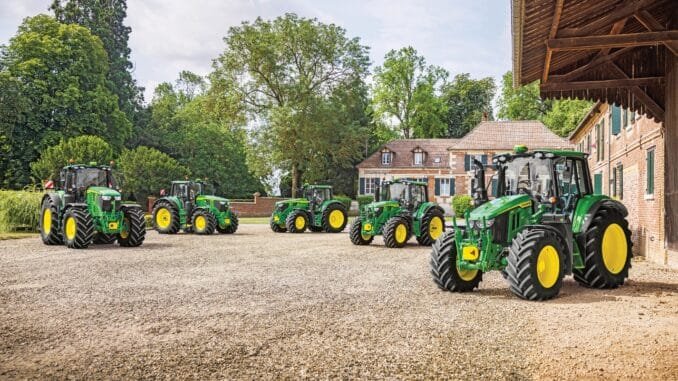
Credit: tractorsby.com
Typical electrical trouble spots
- Bad battery cables
- Loose ground straps
- Corroded fuse holders
- Worn ignition switch
- Failed alternator
- Broken wire near the dash or frame
- Faulty sender units for gauges
One hidden issue is poor grounding through painted or rusted surfaces. A tractor can have a good battery and alternator, but still behave badly because current cannot return properly. That leads to weak starting, erratic gauges, and dim lights.
Best way to troubleshoot
- Clean battery terminals and cable ends.
- Check charging voltage at the battery with the engine running.
- Inspect every visible ground point.
- Test fuses and relay connections.
- Move wiring gently while the system is on to find hidden breaks.
If a gauge fails, do not assume the gauge itself is bad. The sender, wire, or ground may be the real issue. This is a common mistake and leads to unnecessary parts replacement.
John Deere 4240 weak PTO or PTO slips under load
PTO issues can stop mowing, baling, or other rear implement work very quickly. If you have a John Deere 4240 weak PTO, or the John Deere 4240 PTO slips under load, the tractor may still drive fine while the implement fails.
That makes PTO faults tricky. They are often separate from engine and wheel drive problems, so you need to isolate the symptom carefully.
What may cause PTO trouble
- Worn PTO clutch pack or clutch discs
- Weak PTO clutch pressure
- PTO brake drag or adjustment trouble
- Low hydraulic pressure
- Faulty control linkage
- Bad PTO engagement switch or control circuit
- Oil contamination
- Mechanical wear inside the PTO housing
A PTO that slips only under heavy implement load may have worn friction parts, weak clutch pressure, or contaminated oil. A PTO that will not engage at all may have an electrical control fault, low pressure, or a stuck valve. The pattern matters more than the symptom alone.
Before opening the PTO housing, check hydraulic oil level, filter condition, linkage movement, and whether the problem appears only with a heavy implement. If the PTO engages but fades as load increases, treat it as a slipping-pressure or clutch-pack issue, not a simple switch problem.
If the PTO starts to engage slowly, or engages with a delay, do not keep running it hard. Slipping creates heat and can damage parts quickly. A small issue can become an expensive repair if ignored.
Fuel system issues, hard starting, and poor power
Loss of power is one of the most annoying problems because it can feel vague. The tractor still runs, but it does not pull the way it should. It may smoke more, hesitate when throttled up, or die under heavy load.
Likely causes
- Restricted fuel filters
- Water or dirt in fuel
- Weak fuel supply pump
- Air leak in supply line
- Injector wear
- Fuel tank vent blockage
A blocked tank vent is a small problem with a big effect. If air cannot enter the tank, fuel flow slows down as the engine uses fuel. The tractor may run well for a while and then fade later in the day. That kind of pattern often confuses owners.
How to improve fuel delivery
- Drain old fuel if contamination is suspected.
- Replace filters with quality parts.
- Check the tank vent for blockage.
- Inspect the supply line for leaks or collapse.
- Have injectors tested if smoke and rough running continue.
Power loss is sometimes blamed on the engine, but fuel supply is often the real cause. That is why a clean filter and air-free fuel system are such important first checks.
If your 4240 starts hard and also loses power under load, inspect the fuel filters, tank vent, transfer pump, injector return lines, and injection pump timing before assuming the engine needs major work.
Steering, brakes, and other wear points
Not every problem is dramatic. Some of the most useful repairs are small safety fixes. Steering play, weak brakes, and worn front-end parts may not stop the tractor today, but they make it harder and less safe to operate.
Watch for these signs
- Loose steering feel
- Uneven braking
- Noise from wheel bearings
- Wobble in the front axle
- Oil leaks around seals
Steering and brake issues are often brushed off as “normal wear.” Some looseness is common on an older tractor, but too much play means parts are wearing faster than they should. That also adds stress to other components.
Front-end wear is especially important if the tractor uses a loader. Loader work puts heavy strain on the axle, spindles, bushings, and steering parts. What seems like a small wobble can become a larger repair if the tractor keeps working under load.
How to approach diagnosis without wasting money
When owners face john deere 4240 problems, the biggest mistake is guessing. Guessing often leads to the wrong part, more downtime, and higher cost. A better method is to test systems one by one.
For comparison, related diagnostic guides like John Deere 870 hard-start and electrical problems and tractor PTO troubleshooting can help you separate fuel, electrical, hydraulic, and PTO symptoms before buying parts.

Credit: tractorsby.com
A smarter order of checks
- Start with basics: fuel, oil, coolant, battery, and filters.
- Look for patterns: cold-only, hot-only, load-only, or random.
- Inspect visible wear before opening major parts.
- Compare one side of the machine with the other if possible.
- Use pressure or voltage readings when symptoms are unclear.
Two non-obvious tips help a lot here. First, write down exactly when the fault happens. “After 30 minutes of mowing” is better than “sometimes it acts up.” Second, do not trust one symptom alone. A hard start may be caused by both fuel and electrical weak points at the same time.
If you are not sure where to begin, start with maintenance items. Filters, cables, fluids, and belts cost less than major repairs and often solve more than one issue at once.
When a repair should be handled by a specialist
Some repairs are fine for a careful owner. Others need proper tools and experience. If the tractor has low internal hydraulic pressure, major transmission slip, or repeated overheating with no outside cause, a specialist is often the best choice.
Get help if you see metal in oil, burnt fluid, severe smoke, or repeated failure after simple fixes. Those signs usually mean deeper wear. In that case, more testing is better than part swapping.
FAQs
1. What are the most common John Deere 4240 problems?
The most common issues are hard starting, overheating, weak hydraulics, shifting trouble, electrical faults, and PTO wear. Many problems come from age, poor maintenance, or worn connections rather than one major defect.
2. Why is my John Deere 4240 hard to start?
A John Deere 4240 is hard to start when cranking speed is low, fuel filters are restricted, air enters the fuel line, or the starter and ground cables are weak. Check battery load, cable voltage drop, filter condition, and fuel bleeding before replacing injectors or the injection pump.
3. What causes low hydraulic power on a 4240?
Low hydraulic power is usually linked to low or dirty oil, clogged filters, air leaks, worn pumps, or internal leakage in valves or cylinders. If the problem gets worse when the oil is hot, pump wear is more likely.
4. Why does the tractor overheat under load?
Overheating under load often comes from a dirty radiator, weak fan belt, blocked airflow, low coolant, or a bad thermostat. It can also happen if the water pump is worn or if the cooling system has not been serviced in a long time.
5. Why does my John Deere 4240 PTO slip under load?
A John Deere 4240 PTO slips under load when the PTO clutch pack is worn, hydraulic pressure is weak, oil is contaminated, or the control linkage is not applying the clutch fully. Stop heavy PTO work until pressure, oil condition, and clutch operation are checked.
6. Is it worth fixing an old John Deere 4240?
Yes, in many cases it is worth fixing if the engine block, transmission, and main hydraulic system are still sound. These tractors are built strongly, and many common faults can be repaired without a full rebuild. The key is to diagnose carefully before spending money.