
Most Hydro Gear EZT 2200 problems start with a simple symptom: the mower moves slowly, one wheel loses power, or the machine will not move at all. The transmission may look like the failure, but the real cause is often a slipping drive belt, a stuck bypass lever, poor cooling, or damaged linkage.
The EZT 2200 is a hydrostatic transaxle used on many residential zero-turn mowers. It combines the hydraulic pump, motor, gears, axle, and brake system in one unit. That design makes mowing smooth and simple, but it also means heat, contaminated oil, and incorrect adjustments can cause noticeable performance problems.
This guide explains the most common symptoms, what causes them, and which fixes are realistic at home. It also helps you decide when the transaxle can be repaired and when replacement is the smarter option.
Diagnosing Hydro Gear EZT 2200 Problems Before You Replace a Transaxle
Do not assume the EZT 2200 has failed just because the mower will not drive. A hydrostatic transmission needs engine speed, belt tension, cooling airflow, and correctly adjusted control linkage to work normally. If one of those parts fails, the transaxle can act weak even when its internal parts are still good.
Start by noticing when the problem happens. A mower that will not move at all has a different likely cause than one that drives well for 20 minutes and then becomes weak. Heat-related power loss often points to low hydraulic efficiency or poor cooling. A sudden failure after striking an object may point to the belt, pulley, axle, or control linkage.
| Symptom | Most Likely Cause | First Thing to Check |
|---|---|---|
| Mower will not move forward or reverse | Bypass engaged, drive belt off, broken linkage | Bypass levers, belt position, motion-control arms |
| Mower moves slowly on both sides | Low engine RPM, worn belt, overheating | Throttle setting, belt condition, cooling fans |
| One side is weak or stops pulling | Bad belt tension, damaged transaxle, linkage issue | Compare both bypasses, fans, pulleys, and linkages |
| Power fades after mowing | Hot hydraulic oil, dirty cooling fins, internal wear | Fans, debris buildup, tire pressure, workload |
| Whining or grinding noise | Air in system, belt slip, worn bearing or internal damage | Belt, pulley, fan, oil leak, wheel movement |
| Oil around the axle or case | Failed seal, damaged case, loose plug | Find the exact leak location before cleaning |
A useful test is to raise the rear of the mower safely, with both drive wheels off the ground. With the engine running at full mowing throttle, move each steering lever slowly forward and reverse. If one wheel responds much more slowly than the other, focus on that side’s linkage, pulley, fan, and transaxle.
Safety warning: Keep hands, clothing, tools, and hair away from moving belts, fans, tires, and pulleys. Never work below a mower supported only by a jack. Use properly rated jack stands on solid, level ground.
Start With the Simple Fixes First
The simplest checks solve a large share of EZT 2200 drive complaints. They also cost far less than replacing a transaxle. Work through these steps in order before removing the transmission or opening any hydraulic components.
Credit: mowersweb.com
1. Make sure the bypass levers are fully engaged
EZT 2200 transaxles have bypass controls that let you push the mower with the engine off. When the bypass is open, hydraulic pressure cannot build correctly, so the mower may not move or may barely creep.
Most zero-turn mowers have one bypass lever for each transaxle. They are usually at the rear of the mower near the transmission. Push or pull both controls into the normal operating position according to the mower’s owner’s manual.
A partially engaged bypass is easy to miss. The lever can appear closed while the internal bypass linkage is not fully seated. Move it through its full range several times, then return it firmly to the drive position.
2. Check engine speed before blaming the transmission
Hydrostatic drives depend on engine RPM. If you mow at low throttle, the pump turns slower, hydraulic flow drops, and the EZT 2200 can feel weak. For normal travel and mowing, the engine should usually be at full operating throttle.
If the engine sounds uneven, hunts up and down, or cannot reach its normal governed speed, solve that issue first. Dirty air filters, old fuel, clogged fuel filters, weak spark, and carburetor problems can all reduce transaxle performance without damaging the transaxle itself.
3. Inspect the drive belt and idler system
The drive belt transfers power from the engine pulley to both transaxles. A glazed, stretched, cracked, oily, or loose belt can slip under load. The mower may drive normally on pavement but lose power in grass or on a slope.
- Look for cracks, shiny belt sides, frayed edges, and missing chunks.
- Check that the belt sits fully inside every pulley groove.
- Inspect the idler pulley for wobble, rough bearings, or a seized pulley.
- Check the tension spring for damage, stretching, or incorrect attachment.
- Remove packed grass from belt guards and pulley areas.
One non-obvious problem is a belt that looks fine while parked but slips only when hot. Rubber becomes softer as it heats. If the problem appears after 15 to 30 minutes of mowing, inspect belt tension closely and look for oil contamination from an engine or transaxle leak.
4. Confirm the parking brake is releasing completely
A dragging brake can make one side feel like it has a failing hydrostatic transmission. On many zero-turn mowers, the brake mechanism is linked to the steering arms or parking brake lever. Rust, a weak return spring, or bent linkage can leave the brake partly applied.
With the mower off and cooled down, check whether the affected wheel turns freely when the brake is released. Compare it with the wheel on the other side. A hot brake rotor, burnt smell, or wheel that is much harder to rotate points to a brake problem, not necessarily an internal EZT 2200 failure.
Common EZT 2200 Symptoms, Causes, and Practical Fixes
The mower will not move in either direction
If both sides quit moving at the same time, inspect shared components first. The most likely causes are a thrown or broken drive belt, failed idler pulley, low engine RPM, an engaged parking brake, or both bypass controls left open.
Look under the mower with the engine off and the key removed. If the belt is missing, do not simply install a new one without finding out why it came off. A bent belt keeper, damaged pulley, seized idler bearing, or failed tension spring can throw a replacement belt quickly.
If the belt is intact and the engine runs correctly, inspect the control linkage. The steering arms move rods or dampers that command the hydrostatic pumps. A disconnected rod, missing cotter pin, or loose adjustment nut can prevent the pump from moving out of neutral.
One side is weak, slow, or does not pull
A weak right or left side is one of the most common Hydro Gear EZT 2200 problems. First compare the two sides carefully. Check that both cooling fans are present and turning with the transaxle pulley. A broken fan can cause one transmission to overheat while the other side works normally.
Then inspect the affected wheel hub and axle. A stripped hub can make the axle turn without driving the wheel properly. Look for loose lug nuts, wallowed mounting holes, damaged wheel keys where applicable, or a hub that rocks on the axle.
If the mower pulls strongly when cold but the weak side fades after use, internal wear becomes more likely. As hydraulic oil gets hot and thinner, worn pump or motor surfaces allow more fluid to bypass internally. The result is reduced torque, especially on hills and in thick grass.
The mower loses power when hot
Heat is the enemy of a residential hydrostatic transaxle. The EZT 2200 uses a cooling fan on the input pulley. Grass clippings, dust, leaves, and oily dirt can block airflow around the housing. A cracked or missing fan creates the same problem.
Clean the top and sides of each transaxle after mowing, especially during dry and dusty conditions. Do not use a pressure washer directly on seals, electrical connectors, bearings, or the transmission case. Compressed air, a brush, and low-pressure water used carefully are safer options.
Also consider the mowing workload. Long, wet grass, steep slopes, towing heavy carts, and repeated sharp turns create more heat. The EZT 2200 is designed for residential mowing, not constant commercial-duty use. Repeated overheating can permanently reduce its internal efficiency.
The transmission whines loudly
A mild hydrostatic whine is normal, especially when first moving from a stop or climbing a slope. A sudden loud whine, grinding sound, or noise that changes sharply with wheel speed needs inspection.
Start with external parts. A worn belt can squeal or make a high-pitched noise that sounds like a transmission problem. A damaged cooling fan can rub against debris or the housing. Loose transaxle mounting bolts can also create vibration and noise.
If the mower was recently pushed with the bypass open, air may be trapped in the hydraulic circuit. Purging the system can help. Raise the rear wheels safely, open the bypasses, and slowly move the control levers forward and reverse several times with the engine off. Then close the bypasses, start the engine, and repeat slow forward and reverse movements with the wheels raised. Follow the mower manufacturer’s procedure if it differs.
Hydraulic oil is leaking from the transaxle
Oil leaks should never be ignored. Even a small leak can lower the fluid level enough to cause overheating and internal damage. Clean the transaxle first, then run the mower briefly and inspect the source with a flashlight.
Common leak points include axle seals, input shaft seals, case seams, service plugs, and damaged vent areas. An axle seal leak often leaves oil on the inside of the wheel or around the axle. An input shaft seal leak may coat the pulley and belt with oil, which can also cause belt slip.
Do not add random hydraulic fluid as a quick fix. Fluid type and service procedures vary by mower and transaxle version. Some EZT 2200 units are treated as sealed systems by the mower manufacturer, while others have serviceable ports. Use the fluid specification listed for your exact mower model and transmission identification number.
Check Cooling, Linkage, Tires, and Mounting Hardware
Several mower parts can copy the symptoms of internal hydrostatic failure. These checks take little time and can prevent an expensive mistake.
Credit: ebay.com
Cooling fans and debris buildup
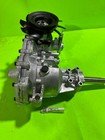
Each transaxle input pulley usually has a plastic cooling fan. The fan must be intact, firmly attached, and free from packed grass. Even one missing blade can reduce airflow and create imbalance. If the fan is damaged, replace it rather than continuing to mow.
Pay attention to the space above the transaxle. On many zero-turn mowers, this area collects dry clippings until the housing is almost covered. That debris works like an insulating blanket. The transmission then runs hotter even though the fan is still spinning.
Motion-control linkage adjustment
If the mower creeps when the steering levers are in neutral, or if one lever has much more travel than the other, inspect the linkage. Neutral adjustment varies by mower brand, but loose hardware and bent rods are easy to find.
- Check for missing retaining clips and worn pivot bushings.
- Make sure both steering levers return fully to neutral.
- Inspect dampers for bent shafts or leaking oil.
- Look for rods rubbing against the frame or belt guards.
- Tighten loose transaxle mounting hardware to the mower maker’s specification.
Do not make large adjustment changes without marking the original position. A small adjustment can affect neutral creep and maximum forward speed. Taking a clear phone photo before moving nuts or rods makes it much easier to return to the starting point.
Tire pressure and traction issues
A low rear tire can make a mower pull to one side and feel weak on a slope. It does not reduce hydraulic power, but it changes traction and wheel diameter enough to imitate a transmission problem.
Check both rear tires with a gauge, not by pressing them with your hand. Many zero-turn rear tires operate in a relatively low range, often around 10 to 14 PSI, but always follow the tire sidewall and mower manual. Keep left and right pressures equal unless the manufacturer specifies otherwise.
Wet grass is another overlooked cause. A tire may spin while the engine revs and the transmission whines. Stop and inspect the ground before assuming the transaxle is slipping internally.
When Repair Makes Sense and When Replacement Is Better
Not every EZT 2200 issue requires a new transaxle. External repairs are usually worthwhile because they are easier and less risky. These include replacing a belt, idler pulley, cooling fan, wheel hub, brake spring, linkage hardware, or external seal.
Internal repair is more complicated. The transaxle contains precision-machined hydraulic parts, gears, bearings, seals, and valves. Dirt entering the system during disassembly can create another failure. A repair also requires correct parts for the specific Hydro Gear model and a clean work area.
Good candidates for repair
Repair is often reasonable when the transmission has a clear external fault. Examples include a damaged fan, leaking axle seal, loose input pulley, stuck bypass mechanism, or worn control linkage. A unit that performs strongly when cold and only has a minor external leak may also be worth diagnosing further before replacement.
If the mower is otherwise in good shape and both transaxles have relatively low use, repairing one side can make sense. Keep in mind that tire condition, belt wear, and cooling problems should be corrected at the same time. Replacing only the failed part without fixing the cause can shorten the life of the repair.
Signs replacement is usually the practical choice
Replacement becomes more sensible when the EZT 2200 has severe internal wear. Common signs include weak drive after the unit reaches operating temperature, repeated loss of power despite correct belt and linkage checks, metal particles in drained fluid, cracked housing, or loud internal grinding.
A transaxle that has run low on oil for a long period may have damaged pump and motor surfaces. Adding fluid may temporarily improve movement, but it will not restore worn internal parts. The same is true for a unit repeatedly overheated by a broken cooling fan.
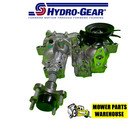
When replacing a transaxle, match the full Hydro Gear identification number, not only “EZT 2200.” Input shaft size, pulley type, axle length, brake arrangement, mounting pattern, and bypass design can differ between mower models. Installing a similar-looking unit with the wrong specifications can create alignment and drive problems.
When to call a professional: Get professional service if the case is cracked, the transmission has internal grinding noises, the mower suddenly surges or moves unpredictably, or you need to open the hydraulic system. A shop can also verify pump pressure and determine whether the problem is internal wear or an external control issue.
Maintenance That Helps the EZT 2200 Last Longer
The best way to avoid Hydro Gear EZT 2200 problems is to control heat and prevent unnecessary load. Residential hydrostatic transaxles can last a long time when they stay clean, cool, and properly driven.
After every few mowing sessions, remove grass from around the transmission housings, cooling fans, belt guards, and rear frame. During leaf season or dry summer mowing, clean more often. Packed debris is not just cosmetic; it directly reduces the transaxle’s ability to shed heat.
- Mow with the engine at full operating throttle unless the mower manual says otherwise.
- Inspect the drive belt at least once each mowing season.
- Keep rear tire pressure equal from side to side.
- Avoid towing loads beyond the mower manufacturer’s limits.
- Slow down in tall, wet, or heavy grass instead of forcing the mower ahead.
- Use gradual turns on slopes and avoid abrupt direction changes.
- Check regularly for oil around axles, pulleys, and the transaxle case.
One detail many owners miss is that sharp zero-turn maneuvers add heat. Fast pivots force one transaxle to work much harder than the other. Slow down before tight turns, especially on hot days or when mowing thick grass. This reduces stress on the hydraulic system and protects the turf at the same time.
Another useful habit is to let the mower cool for several minutes after heavy mowing before parking it in a closed shed. This is not required for every use, but it helps heat escape from the transaxles instead of trapping it in a small, hot space.
Credit: ebay.com
The Bottom Line on Hydro Gear EZT 2200 Problems
Most Hydro Gear EZT 2200 problems should be diagnosed from the outside first. Check the bypass controls, engine speed, drive belt, idler pulleys, cooling fans, brake system, tire pressure, and linkage before deciding the transaxle is bad.
If the mower has one weak side only after it gets hot, has repeated hydraulic leaks, or makes harsh internal grinding sounds, internal wear is more likely. In that case, compare the effort of rebuilding the unit with replacing the exact matched transaxle.
Clean cooling areas, correct belt tension, and careful mowing habits make the biggest difference. A few minutes of inspection after mowing can prevent a small issue from becoming a complete transmission failure.
Frequently Asked Questions
Can a Hydro Gear EZT 2200 be repaired?
Yes, many external EZT 2200 problems can be repaired. Cooling fans, axle seals, bypass parts, pulleys, linkage components, and some brake parts may be serviceable. Internal hydraulic repairs are more difficult and require clean conditions, correct parts, and technical experience.
Why does my EZT 2200 work when cold but become weak when hot?
This usually means the hydraulic system is overheating or has internal wear. Check for packed debris, a broken cooling fan, a slipping belt, and low or leaking oil first. If those parts are good, worn internal pump or motor surfaces may be allowing hot oil to bypass instead of producing strong drive force.
What oil does a Hydro Gear EZT 2200 use?
Do not guess based only on the EZT 2200 name. The correct oil and service method can vary by mower manufacturer and transaxle version. Check the mower owner’s manual and the identification label on the transaxle before adding or changing fluid.
Why is one side of my zero-turn mower slower than the other?
Check the weak side’s bypass lever, cooling fan, tire pressure, brake release, wheel hub, and motion-control linkage. If those items are normal and the problem gets worse after mowing for 20 minutes or more, the affected transaxle may have internal hydraulic wear.
Can I keep mowing with a leaking EZT 2200 transaxle?
It is better to stop and locate the leak before mowing again. A small axle-seal or input-shaft leak can become serious when oil level drops. Low hydraulic oil causes excess heat and can damage internal parts that would otherwise have lasted much longer.