
Yes, can you put a raised garden bed on grass is a practical question, and the short answer is yes—you can. But if you place it the wrong way, the grass under it can cause drainage issues, uneven settling, and weed problems later.
The good news is that a raised bed does not always need a full dig-out or a concrete base. With the right setup, it can sit on turf and still grow healthy vegetables, herbs, or flowers. The real work is deciding how much prep your soil, grass, and bed frame need before planting.
What follows is a clear guide to the best setup methods, what happens if you skip prep, and how to avoid the common mistakes most first-time gardeners make. If you want strong plants and less maintenance, the details matter more than the bed itself.
What happens when you place a raised bed directly on grass
When a raised bed sits on grass, the grass usually dies from lack of light and air. That sounds simple, but the first few months can still create problems below the surface. The sod may stay alive long enough to push up weeds, and the bed may settle unevenly as the roots break down.
Grass also acts like a thin, living barrier. If you do nothing, it can slow drainage in heavy clay yards, hold moisture in the wrong places, and make the bottom of the bed feel lumpy. On the other hand, if your yard drains well and the frame is heavy enough, placing a raised garden bed on grass can work very well.
One thing beginners miss is that the problem is not the grass itself. It is the combination of roots, uneven ground, and poor bed contact with the soil. A bed that sits level and gets good soil contact often performs better than one that is overbuilt on top of compacted turf.
Why grass is not always a bad base
Grass can be a temporary base if you are trying to start a garden quickly. The lawn underneath will eventually decompose and feed the soil life below. That can help earthworms and microbes, especially if you use compost-rich fill and water correctly.
The key is to think of grass as a short-term layer, not a foundation. If you leave thick turf in place under the bed, it can form air pockets and make the frame wobble. If you cut the grass low, remove the sod, or smother it properly, the bed will usually perform much better.
How to prepare grass before installing the bed
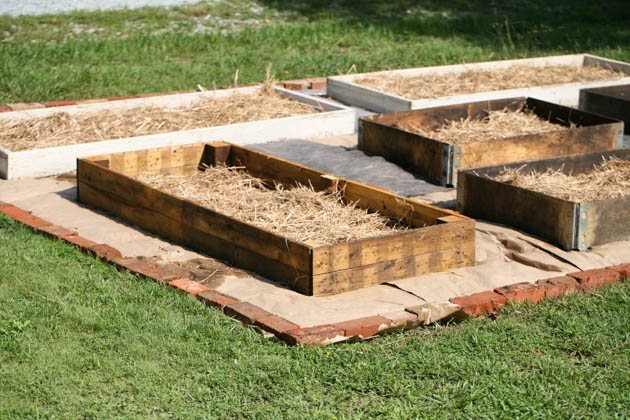
The best preparation method depends on your soil type, bed size, and how permanent the garden will be. For most home gardens, the simplest good choice is to remove the grass where the bed will sit and level the area before assembly. That gives you a stable base and reduces problems later.
If you want to keep the process simple, work in three steps: mark the area, clear the turf, and flatten the ground. Even a small raised bed needs a surface that does not tilt after rain. A bed that starts crooked usually gets worse once it is filled with 8 to 12 inches of wet soil.
For larger beds, use a long level or a straight board to check the surface. The more level the base, the more evenly the water moves through the bed. That matters because plant roots hate sudden wet-dry swings.
Three practical ways to handle the lawn
There are three common ways to set a raised bed on grass. Each has a purpose, and each works better in certain yards.
- Remove the sod: Best for long-term gardens and uneven lawns. This gives the cleanest start.
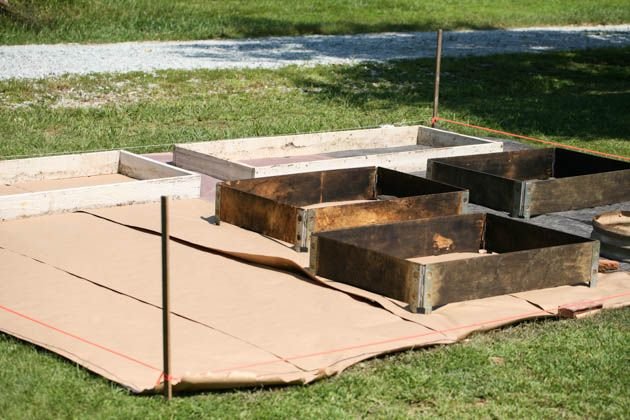
- Smother the grass: Useful if you want less digging. Cardboard, mulch, or a thick layer of compost can block light and kill turf over time.
- Build directly on short-cut grass: Fastest method, but only a good idea for temporary setups or very small beds.
If your lawn has aggressive weeds like crabgrass or Bermuda grass, removing sod is usually worth the extra effort. These grasses can spread through gaps and edges more easily than most gardeners expect. That is one reason many experienced growers take time to prep the base instead of rushing the install.
Do you need landscape fabric or cardboard?
Cardboard is often the better choice under a raised bed than landscape fabric. Cardboard blocks light, breaks down naturally, and helps smother grass without creating a plastic-like barrier. It is especially useful if you want to avoid digging.
Landscape fabric sounds neat, but it often becomes a problem later. Fine roots can tangle in it, soil can clog it, and water movement can slow down over time. For many home gardeners, plain cardboard plus mulch or soil contact works better than fabric.
A useful rule: if your goal is to kill grass, use cardboard. If your goal is to keep gravel separate from soil, fabric may make sense. Under a vegetable bed, cardboard is usually the more practical choice.
The best base options for a raised garden bed on grass
The right base depends on whether you want drainage, weed control, or a more permanent setup. Most people do not need a complicated foundation. A simple, well-prepared grass area often does the job better than a heavy structure.
Here is a quick way to compare the common options before you build.
| Base option | Best for | Main benefit | Main drawback |
|---|---|---|---|
| Direct on mowed grass | Fast setups | Quick and low effort | More weeds and settling |
| Removed sod | Long-term beds | Stable and clean base | More labor up front |
| Cardboard barrier | Low-dig gardens | Kills grass naturally | Takes time to break down |
| Gravel or pavers | Very permanent beds | Stable and raised from wet ground | Can reduce natural soil contact |
For most home gardeners, removed sod or cardboard is the sweet spot. Gravel and pavers are only needed when you have major drainage problems, rodents, or a bed that must stay in the same place for many years.
Credit: homesteadandchill.com
When a bare grass base is enough
If the soil below drains well and the bed is not huge, a bare grass base can work, especially for a first season. This is more forgiving if the bed is 4 feet wide or less and the frame is sturdy. A smaller bed also puts less pressure on uneven spots.
Still, bare grass should be your shortcut, not your default. You may save one hour now and spend many more hours pulling weeds later. If you are planting food crops, a cleaner base is usually the smarter choice.
How to level the ground quickly
After clearing the grass, check the ground with a long board or a straight piece of lumber. Remove high spots with a shovel and fill low spots with soil or sand, depending on how much adjustment you need. Then pack the area lightly with your foot or a hand tamper.
Do not over-compact the ground. A slightly firm base is good, but a rock-hard base can block drainage. The goal is stable, not sealed.
Drainage, weeds, and pests: the hidden issues most people miss
Drainage is one of the biggest reasons raised beds fail on grass. If water cannot move away, the bottom layer stays too wet and roots can rot. This is more likely in clay soil, low spots, or yards that already stay damp after rain.
Weeds are the next issue. Many gardeners assume the raised bed will block all weeds, but some grass species and perennial weeds can push through edges or grow up from below. If the turf is not truly killed before planting, you may see green shoots inside the bed in a few weeks.
Pests can also use the hidden space under the bed. Slugs, ants, and even voles may hide in damp grass or debris under the frame. That does not mean you should panic, but it does mean the base should be clean, dry enough, and easy to inspect.
How to reduce weed pressure
The easiest weed control method is to start with a clean base. Remove the sod, lay cardboard, or use several inches of mulch before adding soil. If your bed is already built, you can still improve things by pulling back the soil at the edges and cutting any surviving grass roots.
One non-obvious trick is to overlap cardboard pieces by at least 4 to 6 inches. Small gaps let grass find light. Those gaps are enough for tough weeds to return, even when the rest of the barrier works well.
How to avoid drainage mistakes
Do not place the bed in a spot where rain already pools. A raised bed is not a fix for flooding; it is a way to improve growing conditions. If your lawn gets soggy after storms, choose a higher area or add a shallow crown under the frame.
Also avoid sealing the bottom completely with plastic. That can trap water and create a swampy layer. For most gardens, open contact with soil, cardboard, or coarse natural material is better than trying to “waterproof” the bed.
For official home gardening guidance on soil and site planning, a helpful source is this university extension raised bed gardening guide.
How to build the bed so it stays stable on grass
A raised bed on grass needs a frame that resists movement as the season changes. When soil gets wet, it gets heavier. A full 4-foot-by-8-foot bed can weigh hundreds of pounds, so weak corners and thin boards can shift if the base is uneven.
Pick a bed height that matches your goals. A 10- to 12-inch bed is enough for most vegetables and herbs. If you want deeper root space or easier access, 18 to 24 inches is better, but deeper beds also hold more weight and need a stronger frame.
Fastening matters too. Screws usually hold better than nails. Corner brackets or braces can stop bowing, especially on longer beds. That small upgrade can make a big difference after repeated rain and watering.
Credit: ladyleeshome.com
Good materials for a lawn base
Rot-resistant wood, galvanized steel, and sturdy composite boards are common choices. The material matters less than whether the frame can stay square under load. Thin decorative boards may look nice, but they can flex once soil is added.
If the bed sits on a lawn edge, check that the bottom rim makes full contact with the ground. A gap under one side can cause the bed to twist. That twist often shows up later as cracked corners or soil spilling out during watering.
How big should the bed be?
Most home beds work well at 4 feet wide because you can reach the center from both sides. Length is more flexible, but longer beds need stronger support. A 4×8-foot bed is common because it balances planting space and structural stability.
Very large beds are harder to place on grass without creating settling issues. If you want a big growing area, it is often smarter to build two smaller beds instead of one huge one. That also makes crop rotation easier later.
Best planting choices for the first season
The first season is not the time to test every crop at once. Start with plants that grow quickly and show problems early. Lettuce, beans, radishes, spinach, basil, and bush tomatoes are all good starters because they help you see whether drainage and soil quality are working.
If the bed sits over grass that was only covered, soil may still settle by an inch or two after watering. That is normal. You may need to top off the bed with extra mix after the first few weeks.
Deep-rooted crops like carrots and parsnips need a finer, rock-free soil mix. If you leave chunks of sod below or do not fill the bed evenly, those crops can grow bent or stunted. That is another reason proper prep matters before planting day.
How much soil will you need?
A 4×8-foot bed that is 12 inches deep needs about 32 cubic feet of fill, which is just over 1 cubic yard. If the bed is 18 inches deep, that jumps to about 48 cubic feet. Those numbers help you avoid underfilling, which is a common mistake.
Also remember that soil settles. A bed that looks full on day one may drop noticeably after the first heavy watering. Keep an extra bag or two of mix nearby if you want the surface to stay level.
Common mistakes when putting a raised bed on grass
The most common mistake is skipping base prep because the project feels small. That usually leads to weeds, uneven boards, and poor drainage. The second mistake is using too much random fill, like sticks or broken debris, instead of quality soil and compost.
Another frequent error is ignoring sun exposure. A bed can be perfectly built and still underperform if it sits where grass used to grow in shade. Most vegetables need at least 6 hours of direct sun each day.
People also underestimate edge maintenance. Grass loves to creep in from the sides, especially if the bed touches the lawn closely. Leaving a small buffer strip, mulch border, or edging around the frame helps keep the garden cleaner.
What to do if the bed is already installed
If the bed is already in place and sitting on grass, do not rip it apart unless the problems are severe. You can still improve the setup. Cut back grass around the edges, add mulch, and check whether the frame is level after watering.
If weeds start coming through, pull them early before they spread. If the bed sinks on one side, lift that corner, add soil beneath it, and reset it before the problem gets worse. Small corrections now are much easier than rebuilding the whole bed later.
Final take on using a raised garden bed over lawn
So, can you put a raised garden bed on grass? Yes, and in many yards it is a perfectly good way to start a garden fast. The best results come when you treat the grass as a surface to manage, not as a ready-made foundation.
If you want the simplest smart answer, remove the sod or smother it with cardboard, level the ground, and use a sturdy frame filled with quality soil. That setup gives you better drainage, fewer weeds, and less settling. It also makes the bed easier to maintain after the first season.
For most gardeners, the winning formula is simple: prep the base well, keep the bed level, and do not overbuild more than needed. A raised bed on grass can work beautifully when the ground under it is given a little attention first.
Credit: ladyleeshome.com
FAQs
Can you put a raised garden bed on grass without removing the sod?
Yes, you can. But it works best for small or temporary beds, and you will usually have more weed pressure and settling than if you remove the sod first.
Do I need cardboard under a raised garden bed on grass?
No, not always. Cardboard is helpful if you want to smother grass without digging, but it is not required if you remove the sod and level the area well.
Will grass grow through a raised garden bed?
It can, especially if the grass was not killed before installation. Strong turf grass and perennial weeds may grow through gaps at the edges or through thin base layers.
How deep should a raised bed be if it sits on lawn?
Most vegetables grow well in 10 to 12 inches of soil. If you want larger roots or easier access, 18 inches is a better choice, but the frame must be stronger.
Can I put a raised garden bed directly on concrete instead of grass?
Yes, but drainage becomes more important. On concrete, the bed needs a way for excess water to escape, and the soil mix should be lighter and well draining.