
If you are asking what type of gas for lawn mower use, the safest answer is usually fresh unleaded gasoline with an octane rating of 87, and preferably ethanol-free when your mower allows it. That simple choice avoids many starting problems, fuel-system leaks, and storage headaches.
The tricky part is that not every mower behaves the same way. Two-stroke engines, four-stroke engines, small engines with storage over winter, and newer fuel-friendly models all have different needs. The fuel you pick affects starting, power, engine life, and how often you need repairs.
This guide breaks down the right gas to use, what to avoid, how ethanol affects small engines, and how to store fuel safely. You will also see when premium fuel helps, when it does not, and how to choose fuel that keeps your mower running smoothly season after season.
The safest gas choice for most lawn mowers
For most push mowers, self-propelled mowers, and many riding mowers, the best fuel is fresh unleaded gasoline with 87 octane. In the US, that is the regular grade sold at most stations. If your mower manual says it accepts ethanol-free fuel, that is often even better for storage and long-term reliability.
What matters most is not “high octane.” It is fuel freshness and ethanol content. Small engines do not need the higher knock resistance that cars sometimes need. In fact, buying premium fuel usually does not improve mowing performance unless the manual specifically asks for it.
Fresh fuel means gas that has not sat around for months. Gasoline starts to break down in as little as 30 days, especially when it contains ethanol. Old gas can cause hard starting, rough idling, and clogged carburetors. That is why a mower that ran fine last month may suddenly become difficult to start.
What most mower engines are designed to use
Most modern lawn mowers use a four-stroke engine. These engines usually run best on regular unleaded gasoline, with no oil mixed into the fuel. Two-stroke engines are less common in lawn mowers, but if you have one, it needs a fuel-and-oil mix made to the correct ratio. The ratio is usually listed in the manual, such as 50:1 or 40:1.
Using the wrong fuel type can damage the engine faster than many people expect. Too much ethanol can dry out rubber parts. Old fuel can gum up the carburetor jets. Mixed fuel in a four-stroke mower can foul the spark plug and create smoke.
That is why the label on the gas can matters less than the mower manual. The manual is the real source of truth. If you no longer have it, the manufacturer support page is the safest place to check the fuel requirement before refilling.
| Fuel type | Works in most mowers? | Main benefit | Main risk |
|---|---|---|---|
| 87 octane unleaded | Yes | Correct for most small engines | Can contain ethanol |
| Ethanol-free gas | Yes, if approved by the manual | Better storage stability | May be harder to find |
| Premium gas | Usually unnecessary | Rarely helpful unless required | Wasted money, no real gain |
| Gas-oil mix | Only for two-stroke engines | Needed for specific engine designs | Wrong for most mowers |
Why ethanol matters more than octane
For lawn mowers, ethanol is often more important than octane. Most pump gas in the US is E10, which means it contains up to 10% ethanol. Many mowers can run on E10, but that does not mean it is the best choice for storage or older equipment.
Ethanol attracts moisture. That matters because water in fuel can cause corrosion inside the tank and carburetor. It can also lead to phase separation, where fuel and alcohol separate after sitting too long. When that happens, the mower may sputter, stall, or refuse to start.
Another problem is that ethanol can damage certain rubber and plastic parts over time. This is especially a concern in older mowers, small engines, and machines that sit unused for long periods. If you mow often and empty the tank regularly, E10 may be acceptable. If your mower sits for weeks or months, ethanol-free gas is usually the safer choice.
When ethanol-free gas is worth it
Ethanol-free gas is a smart choice if you use your mower only occasionally, store it with fuel in the tank, or own a vintage machine. It is also helpful for equipment that is hard to service, because a clean fuel system is easier to maintain than a clogged one.
It is not always required. Many newer mowers are built to handle E10. But even then, ethanol-free fuel can reduce storage problems and make spring startup easier. If you can find it locally, it often gives the best long-term results.
One non-obvious detail: fuel with ethanol may be fine for the first few weeks, but the problems often show up later, after the mower has been sitting. That is why a mower that works all summer can still fail at the first cut of spring.
What type of gas for lawn mower if you want fewer repairs
If your main goal is fewer repairs, use fresh fuel, the right octane, and the lowest ethanol level allowed by the manual. That combination prevents many of the common issues people blame on “bad mowers.” In reality, many of those problems come from stale or moisture-contaminated gas.
Most carburetor clogs happen because fuel sat too long. The tiny jets in a mower carburetor can be blocked by varnish-like residue from old gasoline. Once that happens, the engine may only run with choke, surge at idle, or die under load. Cleaning the carburetor fixes the symptom, but better fuel habits prevent the problem in the first place.
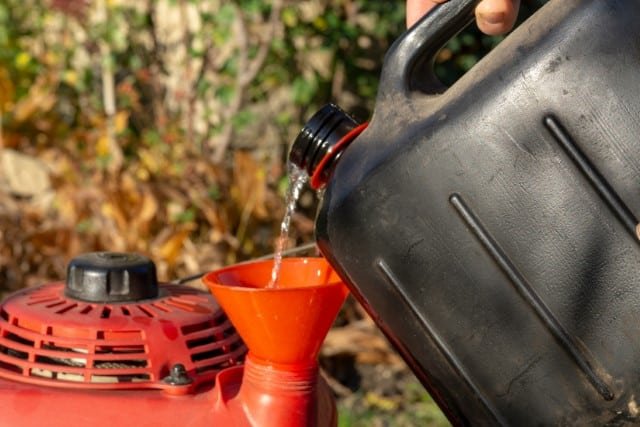
Another overlooked point is that using a fuel stabilizer is not the same as using fresh gas. Stabilizer helps slow fuel breakdown, but it does not make old fuel new again. A mower filled with last year’s gas and a stabilizer added late may still have starting issues.
Credit: lawnchick.com
How to store gas correctly
Keep gasoline in an approved fuel container, tightly closed, and away from heat. Store it in a cool, dry place if local rules allow it. Most homeowners should only keep small amounts, enough for near-term use.
If you plan to store the mower for more than 30 days, either use ethanol-free fuel with stabilizer or run the tank nearly empty before storage, depending on the manufacturer’s instructions. The goal is simple: do not leave untreated fuel in the mower for months.
For official fuel safety and storage guidance, the EPA guidance is a useful place to review handling and environmental precautions.
When premium gas helps and when it does not
Premium gas is usually a bad match for lawn mowers unless the manual specifically asks for it. Most small engines are designed to run on regular 87 octane fuel. They do not benefit from the extra octane because they are not built with the same compression demands as many car engines.
Higher octane does not mean cleaner gas, stronger gas, or longer-lasting gas. It only means the fuel resists engine knock better in certain engines. A standard mower engine rarely needs that extra resistance. If the engine was made for regular gas, premium fuel will not make it cut better or start easier.
There is one exception: if the owner’s manual specifically lists higher octane, follow the manual. That is uncommon, but it can happen with certain performance engines. Even then, octane is not the same as fuel quality. Freshness and ethanol level still matter.
Common fuel mistakes people make
- Using old gas from a can that sat through winter
- Buying premium fuel when the mower only needs regular
- Leaving fuel in the tank for months without stabilizer
- Putting two-stroke mix into a four-stroke mower
- Ignoring ethanol content and then blaming the carburetor
- Filling the tank with dirty fuel from a rusty container
These mistakes are common because gas is easy to underestimate. People often focus on oil changes and spark plugs, but fuel quality can matter just as much. In fact, many small-engine problems start with fuel, not with the engine itself.
How to choose the right fuel for your mower model
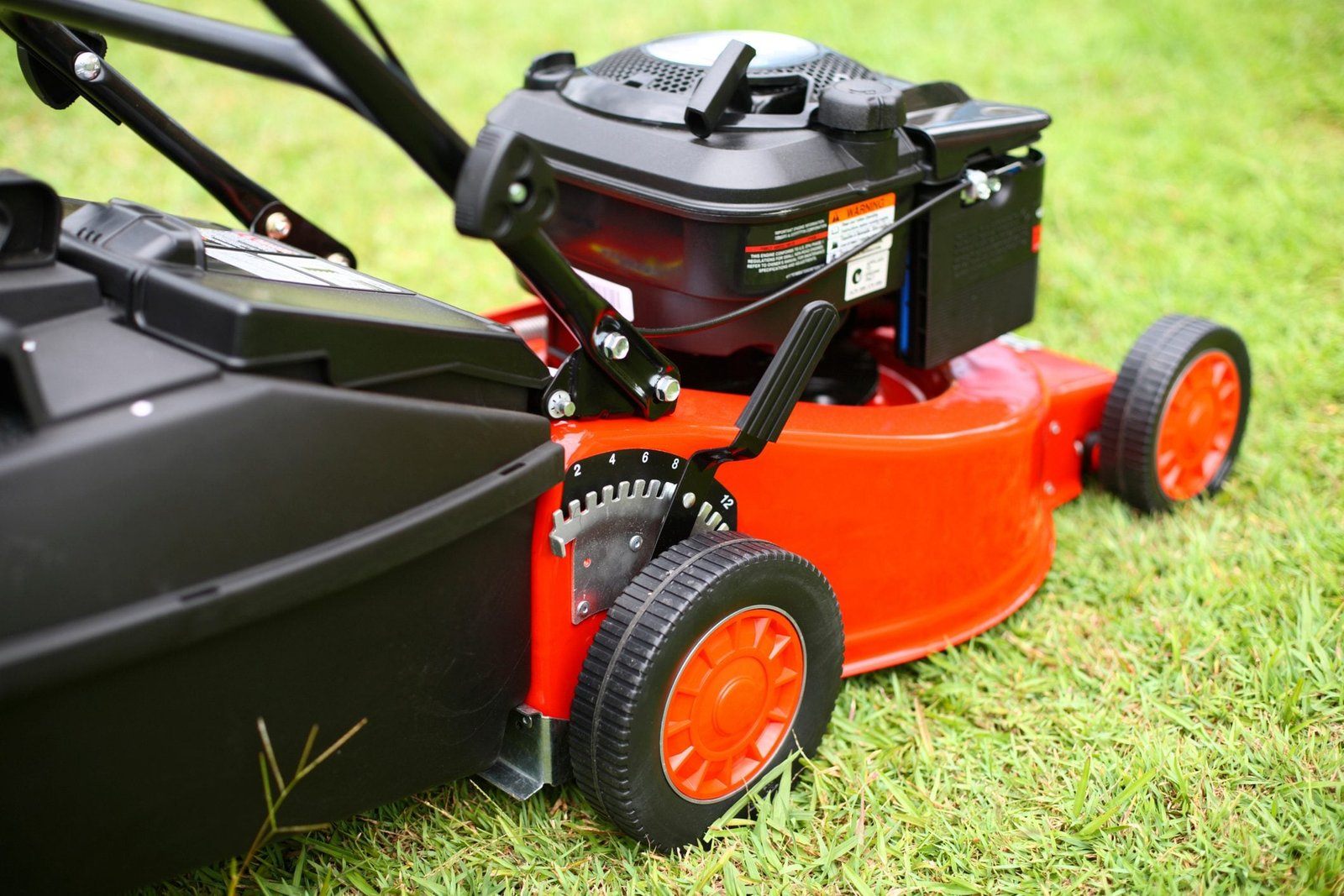
The right answer depends on engine type, mower age, and how often you use it. Start with the manual if you have it. If not, identify the engine style and look for the fuel label near the tank cap or on the engine housing.
A four-stroke mower usually wants straight unleaded gasoline. A two-stroke mower wants a gas-oil mix. A fuel-injected mower, which is less common in lawn equipment, may have its own fuel guidance from the manufacturer. Never guess if the label is missing.
Credit: familyhandyman.com
A simple decision path
- Check the owner’s manual or engine label.
- Confirm whether the engine is two-stroke or four-stroke.
- Use regular unleaded 87 octane unless the manual says otherwise.
- Choose ethanol-free fuel if available and approved.
- Add stabilizer if the gas will sit longer than 30 days.
- Dispose of old fuel safely instead of mixing it with fresh gas.
One detail many owners miss is that fresh fuel can still fail if the container is dirty. A bad gas can can put water or debris into the tank, which creates the same kind of starting trouble as stale fuel. Clean storage matters almost as much as fuel choice.
Signs your mower is using the wrong gas
Wrong fuel often shows up through small symptoms before the mower stops running completely. If the engine is hard to start after storage, surges up and down, or dies when the blade engages, fuel quality should be high on the list of causes.
Other warning signs include a strong varnish smell from the tank, visible separation in the fuel, or repeated carburetor problems. If the spark plug keeps fouling soon after replacement, the fuel may be too old or the mix may be wrong.
How to diagnose the problem fast
- If the mower starts with choke but not without it: the carburetor may be restricted by stale fuel residue.
- If it ran fine last season but not after winter: old fuel is the most likely cause.
- If smoke is heavy and the plug is wet: a fuel mix problem may be present in a two-stroke machine.
- If the tank smells sour: the gas is likely degraded.
These clues are useful because they narrow the issue quickly. Many owners replace parts first, when the real fix is draining the bad fuel and refilling with the correct type. That saves time and avoids unnecessary repairs.
Fuel storage and safety habits that protect your mower
Good storage habits can extend mower life more than many people realize. Gasoline is not just a power source. It is a chemical that changes over time, especially in heat and air. Poor storage speeds that process up.
Use approved fuel containers, keep them sealed, and label older fuel with the date. Try to buy only the amount you will use in a few weeks. If you must store fuel, rotate it so the oldest gas is used first. That simple habit prevents forgotten fuel from sitting for a full season.
Also, never refuel a hot mower. Let the engine cool first. Gasoline vapors can ignite near a hot muffler or spark source. Refueling outdoors is safer, and spilled gas should be cleaned before you restart the engine.
When to call a professional
If the mower still will not start after you drain old fuel, replace the fuel with the correct type, and check the spark plug, a professional may be needed. Call a technician if you see repeated fuel leaks, cracked lines, or a carburetor that keeps clogging soon after cleaning. Those problems can point to a deeper issue in the fuel system.
Do not keep forcing the engine with starting fluid or repeated cranking. That can flood the cylinder, damage components, and waste time. If fuel smells strongly inside the garage, stop and ventilate the area before working further.
What type of gas for lawn mower owners should remember
The best answer to what type of gas for lawn mower use is usually simple: fresh unleaded 87 octane, with ethanol-free fuel preferred when the manual allows it. For most mowers, that choice gives the best mix of safe operation, easy starting, and fewer fuel-system problems.
The biggest mistake is not choosing the “wrong” octane. It is using stale fuel, ignoring ethanol, or leaving gas in the tank for too long. A mower that gets the right fuel and clean storage habits will usually start easier and last longer.
If you want the shortest rule possible, use this: follow the manual, keep the gas fresh, avoid unnecessary premium fuel, and choose ethanol-free when storage matters. That small routine can prevent the repairs that frustrate most mower owners.

Credit: lawnservicekansascity.com
FAQs
Can I use regular gas in my lawn mower?
Yes, most lawn mowers run best on regular unleaded gas with 87 octane. That is the standard fuel for most four-stroke small engines unless the manual says otherwise.
Is ethanol-free gas better for lawn mowers?
Often, yes. Ethanol-free gas is usually better for storage and can reduce moisture and corrosion problems. It is especially useful if the mower sits unused for long periods.
Can I use premium gas in a mower?
You usually can, but it does not offer a benefit unless the manual requires it. Premium gas will not make a normal mower run better just because it has a higher octane rating.
How long does gasoline last in a mower?
Gasoline can start to degrade in about 30 days, especially if it contains ethanol. For best results, use fresh fuel and add stabilizer only when you need to store it.
What happens if I put the wrong gas in my lawn mower?
The mower may be hard to start, run rough, smoke, or stall. In some cases, the wrong fuel can clog the carburetor or damage rubber fuel parts over time.